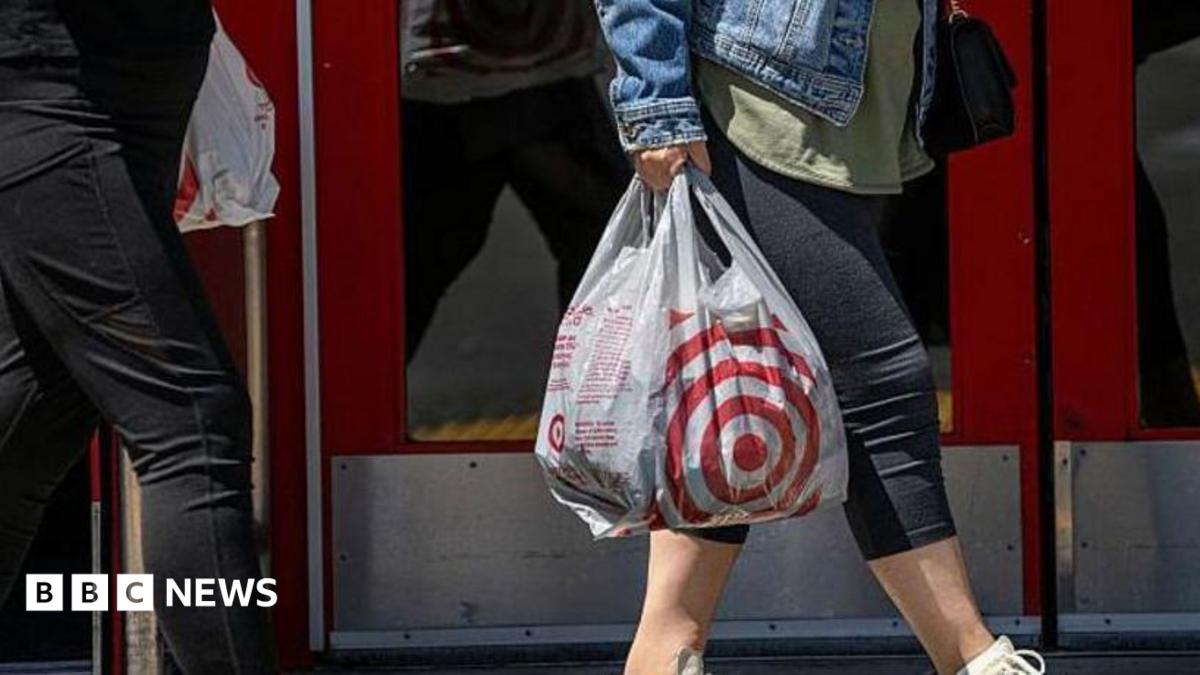
Target has announced it received nearly $1bn (£733.9m) in tariff refunds from the US government, giving its latest profits a nice little boost - because nothing says 'fiscal responsibility' like paying taxes and then getting them back with a shrug.
The American retail chain said the $994 million pre-tax reimbursement helped double its second-quarter operating income to $2.6bn, up from $1.3bn last year. That's the kind of growth that makes CFOs smile and rivals wonder if they should start importing more stuff.
Target is just the latest in a long line of businesses, both large and small, to get tax rebates on imported goods after a Supreme Court ruling declared a wave of President Donald Trump's import tariffs unlawful. So the government took money it shouldn't have, and now it's giving it back - like a cosmic game of financial hot potato.
But don't pop the champagne just yet. Trump has continued to slap duties on imports through other legal avenues, so many companies still face extra taxes. The president also announced Tuesday he'd delay new import taxes on various Canadian goods for three days while trade talks continue. Because nothing says 'negotiation' like a last-minute reprieve.
Trump has threatened a 50% levy on nearly $20bn (C$28bn) worth of Canadian imports, and the two countries are at an impasse over issues like US auto tariffs and Canadian provinces banning American liquor sales. It's a trade war where everyone's losing, but at least the lawyers are winning.
Since returning to the White House last year, Trump has used and threatened tariffs on dozens of countries, arguing the policy will boost American manufacturing and jobs as businesses either source domestically or move operations stateside. Economists, however, warn that prices can rise as businesses pass the extra costs to consumers - because the only thing more predictable than tariffs is the resulting price hike.
Earlier this month, a court filing revealed the Trump administration had paid back $100bn (£78bn) in 'Liberation Day' tariff refunds to businesses - about 60% of all tariff revenue collected under that policy. So there's still a hefty chunk of change to be returned, like a refund check that got lost in the mail.
When asked how Target would use its refund, CFO Jim Lee was coy but said, 'We have and will continue to invest in price.' Translation: expect discounts, because that's what happens when you get a billion-dollar windfall.
Last year, Target slashed its expectations, blaming a 'high challenging environment' amid tariffs. The company aims to reduce its reliance on China for sourcing, though it still gets 30% of its store-label goods from there (down from 60% in 2017). Baby steps.
Target is in the middle of a turnaround plan, having cut prices on more than 10,000 items over the past year. CEO Michael Fiddelke said, 'While there's still meaningful work ahead, we're encouraged by the progress we're making.' Encouraged, yes, but also armed with a billion-dollar cushion.
Meanwhile, cosmetics giant Estee Lauder reported a '$38m benefit in the cost of sales' from tariff refunds in its latest quarterly results, which 'partially offset the full-year gross impact of incremental tariffs of $102 million.' So they got a little back, but still paid a lot more. Shares of the Clinique and Bobbi Brown owner jumped about 17% after results exceeded expectations - proof that makeup can survive tariffs, but investors prefer refunds.
The Good Times
News in your inbox.
One sardonic roundup, delivered on your schedule. Free. Unsubscribe whenever your tolerance for wit runs out.
Already subscribed but we never reach your inbox? Check your spam folder and hit 'Not spam' (or 'Remove from spam') to bust us out of junk-mail purgatory. You'll be helping everyone else too.
Don't open any of our emails for a month and you'll be automatically removed from the mailing list.
Rewrite Article
Select parts to regenerate with a fresh AI pass. Translations will be updated automatically.
Generate AI Image
Creates a sardonic version of the article image using OpenAI.