Dentists Confirm That Painting Teeth With a Cheap Liquid Beats Drilling, Which Is Somehow News
A major clinical trial confirms that painting a cheap liquid on cavities stops tooth decay in kids - no drilling, no injections, just a dark spot and a lot less screaming.
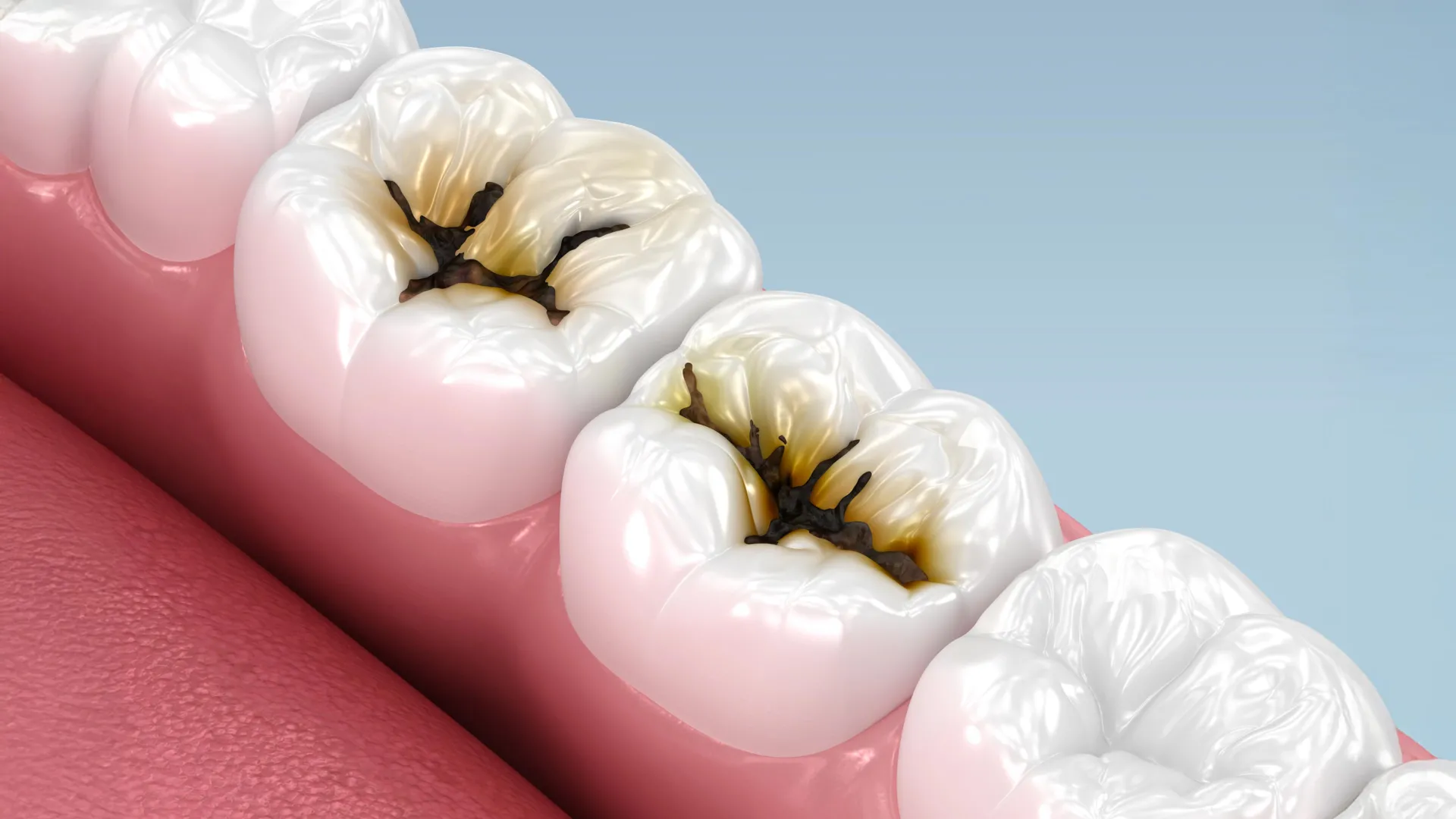
In a development that will delight children and terrify anyone who has ever heard a dental drill, a major clinical trial has confirmed that a simple, inexpensive liquid can stop tooth decay in young children. The treatment, silver diamine fluoride (SDF), takes seconds to apply and requires no drilling, injections, or sedation - just a tiny sponge-tipped applicator painting the cavity directly. It's the dental equivalent of fixing a leaky roof with a sticker, except this sticker actually works.
The findings, published in JAMA Pediatrics, come from a Phase III clinical trial led by the University of Michigan and involving 830 children younger than 6. Participants were recruited through dental clinics, pediatric medical practices, and Head Start and Early Head Start programs across Michigan, New York, and Iowa. The results showed that a 38% silver diamine fluoride solution stopped decay in more than half of affected baby teeth when applied at six-month intervals. Dentists call this "arresting" tooth decay - essentially telling the cavity to freeze and stay put, without replacing lost tooth structure. Silver fights the bacteria; fluoride strengthens the minerals. A one-two punch that doesn't involve a single "open wide."
"This is a very effective and safe treatment - even in children as young as 1," said Margherita Fontana, professor of dentistry at the University of Michigan School of Dentistry and the study's lead investigator. Which is good, because tooth decay is the most common chronic disease among children, affecting more than 40% of American children. Untreated cavities lead to severe toothaches, infections, problems eating and sleeping, missed school days, and repeated medical appointments - not to mention thousands of emergency department visits each year where physicians generally can't do much beyond offering sympathy and a referral. Some children end up needing dental surgery under general anesthesia, which is exactly as fun as it sounds.
SDF is not a new invention; dentists in numerous countries have used it for decades. The FDA approved it as a medical device for tooth sensitivity in 2014, and dentists have used it off-label to stop cavities ever since. What was missing was large-scale clinical evidence from U.S. populations - the kind of rigorous data that regulators and clinicians want before changing practice. The University of Michigan trial, which began in 2018 and continued through COVID-19 disruptions, was designed to fill that gap. "If we want more children and families to benefit from this treatment, we need rigorous evidence showing both that it works and that it's safe," Fontana said. "From a public health perspective, if we want broader implementation across the United States, including in medical settings, we need carefully collected data in U.S. populations, and we now have that."
There is, of course, a catch. SDF permanently turns the decayed portion of a treated tooth dark - a cosmetic side effect that's especially noticeable on front teeth. For many families, avoiding pain, drilling, and general anesthesia may outweigh the aesthetic downside. For others, a dark spot on a baby tooth that's going to fall out anyway is a small price to pay for not spending an afternoon in a surgical suite.
The trial brought together researchers from the University of Michigan, New York University, the University of Iowa, and Indiana University, with more than $12 million in funding from the National Institute of Dental and Craniofacial Research, part of the National Institutes of Health. The product tested was Advantage Arrest 38% SDF, supplied by Elevate Oral Care. The findings give the manufacturer the clinical evidence needed to seek FDA approval of SDF as a drug for arresting dental caries - a regulatory change that co-principal investigator Amr Moursi, a professor of pediatric dentistry at NYU College of Dentistry, says could lead to increased utilization by providers, enhanced payments by insurers, and more consistent product quality. "Removing SDF from off-label status would be an important innovation," he said.
The benefits could extend beyond young children. Older adults, people with developmental or physical disabilities, individuals with severe dental anxiety, and patients who have difficulty obtaining conventional dental care could also benefit - either as a long-term management strategy or a temporary solution until a filling becomes affordable or practical. "For almost anyone, this can arrest the decay and stop the infection and the pain it causes," Fontana said. "This could benefit many people."
It's not a cure-all. SDF isn't suitable for every cavity, and stopping decay doesn't necessarily eliminate the need for future dental work. But for a procedure that takes seconds and costs far less than a drill-and-fill, it's a remarkably simple solution to a problem that has plagued humanity since the invention of sugar. And it only took a global pandemic to keep the trial going. Priorities.
The Good Times
News in your inbox.
One sardonic roundup, delivered on your schedule. Free. Unsubscribe whenever your tolerance for wit runs out.
Already subscribed but we never reach your inbox? Check your spam folder and hit 'Not spam' (or 'Remove from spam') to bust us out of junk-mail purgatory. You'll be helping everyone else too.
Don't open any of our emails for a month and you'll be automatically removed from the mailing list.
Rewrite Article
Select parts to regenerate with a fresh AI pass. Translations will be updated automatically.
Generate AI Image
Creates a sardonic version of the article image using OpenAI.