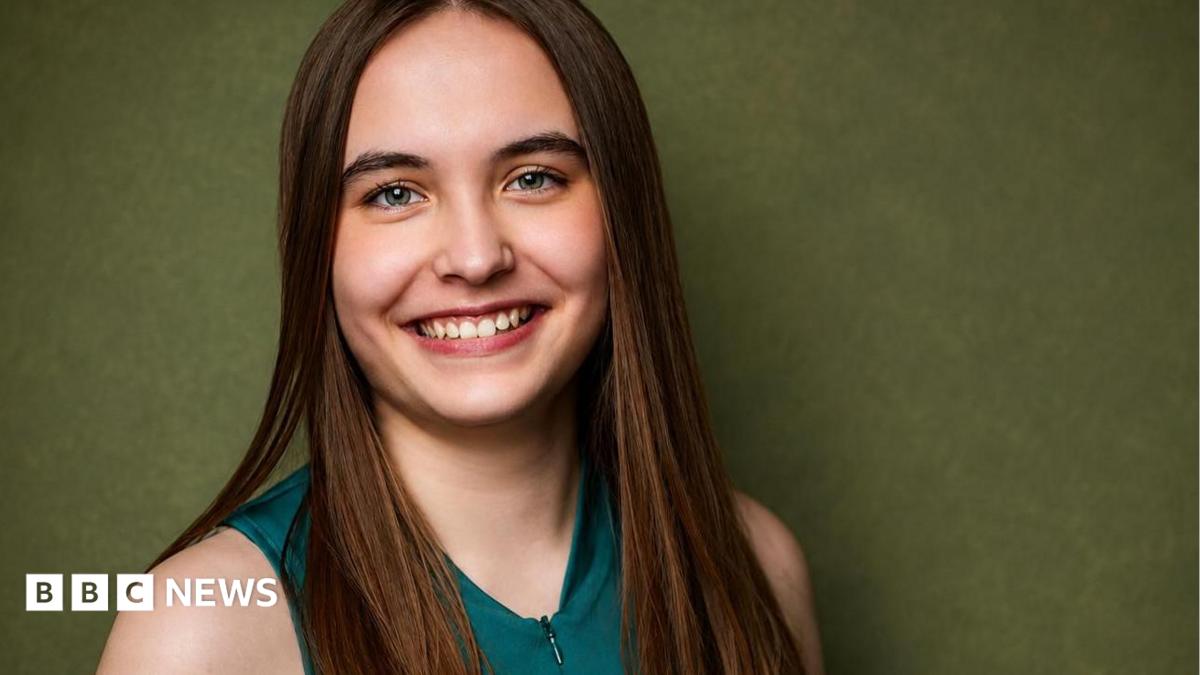
Ava-Grace Britton is 17, studies acting at a college in north London, and likes going out with friends. She also wants to go to university next year. But unlike most of her peers, she has a side gig: caring for her father, Paul, who has significant mobility and memory issues after a series of strokes eight years ago. Along with her mother Karen, Ava-Grace monitors Paul's blood glucose levels, administers medication, and helps with dinner and chores. 'I worry about him all the time,' she told the BBC. 'Before I go to college I help him and most days I have to return home quickly to look after him.'
Officially, census data suggests there are around 130,000 carers under 18 in England and Wales. But the true figure is likely much higher, with many young carers hidden from view. The Carers Trust estimates there could be as many as 1 million carers under 18, plus another 500,000 aged 18 to 25. For some, responsibilities exceed 50 hours a week, with serious consequences for their social and academic prospects. Paul's strokes were triggered by a sepsis infection from a cut thumb at work, and his diabetes requires careful monitoring. He had to give up his job as a borehole engineer, leaving full-time care to Ava-Grace and Karen, who runs a charity organising lunch clubs for the elderly and vulnerable. 'It turned our life upside down,' said Karen. 'Paul spent three months in hospital and in rehab. I don't know how I would cope without Ava-Grace.'
Ava-Grace has had to make sacrifices. 'You have to make sacrifices. I can't do all the things my friends do,' she said. 'At one point I was really enjoying dance and could have started competing, but it would have been a huge time commitment which wasn't possible.' She also had to move schools several times due to bullying and attendance struggles, compounded by her own epilepsy. 'I worry about the future,' she added. 'I really want to go to university, but can't imagine going anywhere too far from home. I know my dad needs me.'
More than half of young carers support parents; the rest look after siblings and grandparents. The Carers Trust notes a big rise in non-parent carers as the cost of living crisis pushes parents to work, leaving children to care for family members. This can hinder socialising and hobbies, and lead to higher rates of bullying, school absence, and suspensions. Young carers are 25% less likely to achieve five GCSE passes including English and Maths, and twice as likely to be out of education, employment, or training for two years or more.
Some support exists: young carers can get assessments from local councils to evaluate the impact on their health, education, and wellbeing. 'When young carers get these it can make a real difference,' said Andy McGowan, young carers lead at the Carers Trust. 'But it takes many years of caring before they are actually identified. And then the support in place to help is patchy, it really depends on where you live.' McGowan, himself a former young carer, says even when help is given - respite breaks, peer support, counselling - the underlying issue of caring demands is often unaddressed. 'The threshold to get adult social care from councils to relieve the caring burden is so high, many don't get help. Until that is addressed, the inequalities young carers face will not be tackled.' He also calls on the NHS to do more in preventative and early support for issues like substance misuse and mental health.
In July, the government published an action plan for unpaid carers, including measures for young carers like improved school support and joined-up NHS, social care, and education services. Scotland has a dedicated young carers' grant. A government spokesman said: 'Through our new national care service, this government is determined to build a system that recognises the extraordinary contribution of unpaid carers, supports them better and, in particular, helps young carers.' For the Brittons, help can't come soon enough. 'I worry about the impact caring has on Ava-Grace,' said Karen. 'She has had to grow up very quickly - that has had benefits, she is calmer and more mature than many girls her age and she has a real strength about her. But Ava-Grace and others like her need more help and understanding.'
The Good Times
News in your inbox.
One sardonic roundup, delivered on your schedule. Free. Unsubscribe whenever your tolerance for wit runs out.
Already subscribed but we never reach your inbox? Check your spam folder and hit 'Not spam' (or 'Remove from spam') to bust us out of junk-mail purgatory. You'll be helping everyone else too.
Don't open any of our emails for a month and you'll be automatically removed from the mailing list.
Rewrite Article
Select parts to regenerate with a fresh AI pass. Translations will be updated automatically.
Generate AI Image
Creates a sardonic version of the article image using OpenAI.