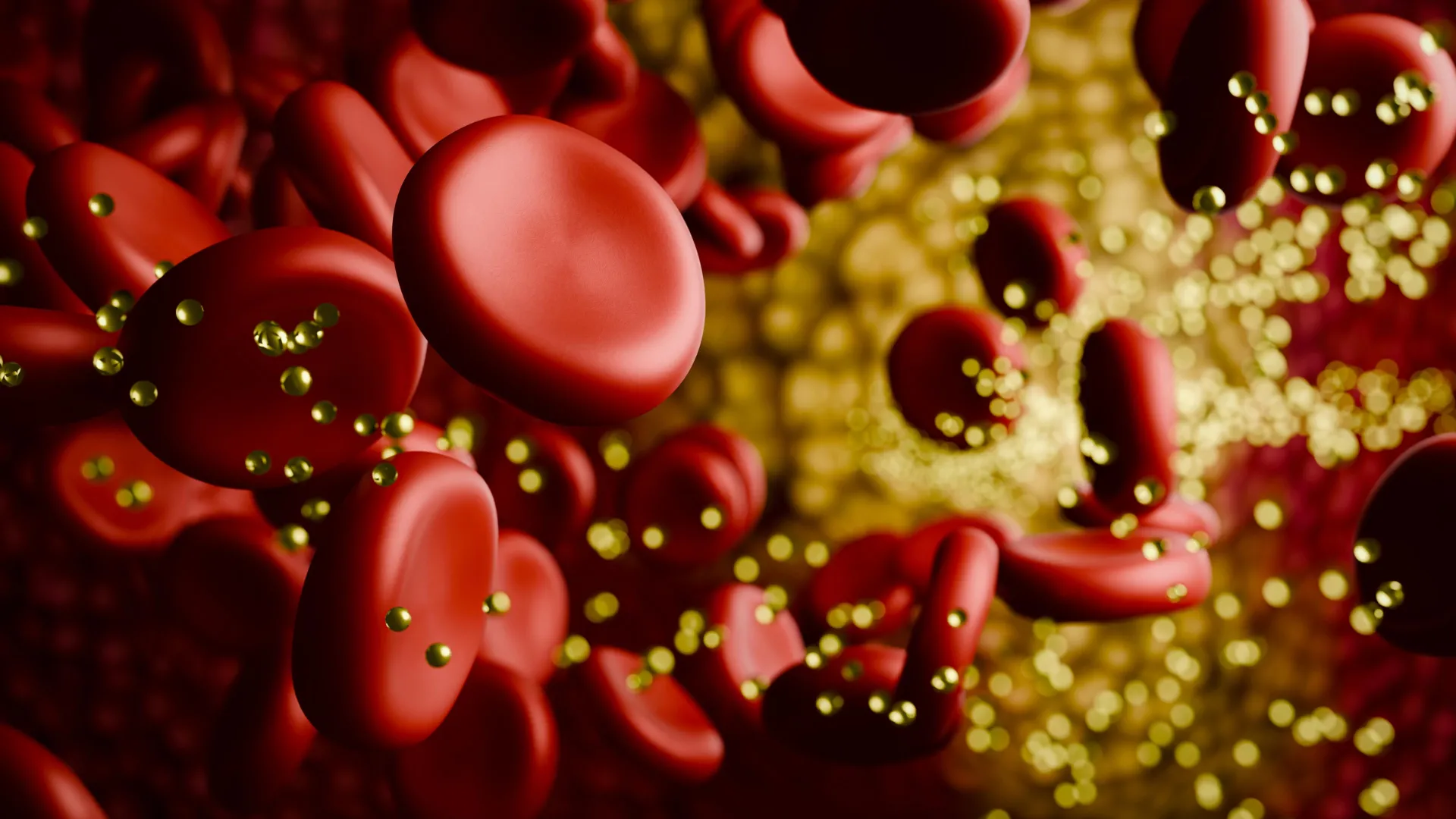
Low-carb diets: the dietary equivalent of a wild rollercoaster ride for your cholesterol. For some, it's a smooth glide, for others, a terrifying spike. New research suggests your genes might be the seatbelt - or the lack thereof.
The study, presented at NUTRITION 2026 by Alexa Barad, PhD, RDN, of Stanford University School of Medicine, reveals that saturated fat - often a larger part of low-carb diets - might interact with your genetic makeup to raise LDL cholesterol, the notorious heart disease villain. This could explain why two people on the same diet can have completely different cholesterol outcomes.
"Our findings suggest that some individuals may be more sensitive to the LDL cholesterol-raising effects of saturated fat, particularly in the context of a low-carbohydrate diet, because of their genetic background," said Barad. Essentially, your genes might be flipping the bird at your bacon intake.
The research, presented at the American Society for Nutrition's NUTRITION 2026 meeting, analyzed data from DIETFITS, a randomized controlled trial with over 600 adults. They focused on 431 participants for whom genetic data were available, examining how genotype, saturated fat consumption, diet type, and LDL changes from baseline to 6 months were related.
Among those on the low-carb diet, participants with a genetic predisposition to higher LDL were more likely to see increases. The key driver? Greater sensitivity to saturated fat. Those with the highest genetic risk showed the biggest LDL jumps when they consumed more saturated fat. This wasn't seen in the low-fat diet group.
Instead of looking at individual genes, the researchers used a polygenic score, combining thousands of genetic variants to estimate each person's tendency toward high or low LDL. This approach could eventually help clinicians identify who might need to watch their cholesterol more closely on a low-carb diet.
But you don't need a genetic test to get the practical takeaway: people respond differently to the same diet, so monitoring your own cholesterol is more important than blindly following a dietary rule. Barad suggests that for low-carb dieters, emphasizing nuts, seeds, olive oil, and avocado over butter, beef tallow, fatty meats, and processed meats might help avoid an unfavorable cholesterol response.
Of course, more research is needed to confirm these findings and see if they apply broadly. And as with all conference abstracts, these results are preliminary until peer-reviewed.
The DIETFITS trial was funded by the National Institute of Diabetes and Digestive and Kidney Diseases (grant 1R01DK091831), the National Heart, Lung, and Blood Institute (grants 1K12GM088033 and T32HL007034), and the Stanford Clinical and Translational Science Award (grant UL1TR001085 from the NIH). Dr. Barad was supported by the American Heart Association Postdoctoral Fellowship (26POST1542318).
The Good Times
News in your inbox.
One sardonic roundup, delivered on your schedule. Free. Unsubscribe whenever your tolerance for wit runs out.
Already subscribed but we never reach your inbox? Check your spam folder and hit 'Not spam' (or 'Remove from spam') to bust us out of junk-mail purgatory. You'll be helping everyone else too.
Don't open any of our emails for a month and you'll be automatically removed from the mailing list.
Rewrite Article
Select parts to regenerate with a fresh AI pass. Translations will be updated automatically.
Generate AI Image
Creates a sardonic version of the article image using OpenAI.