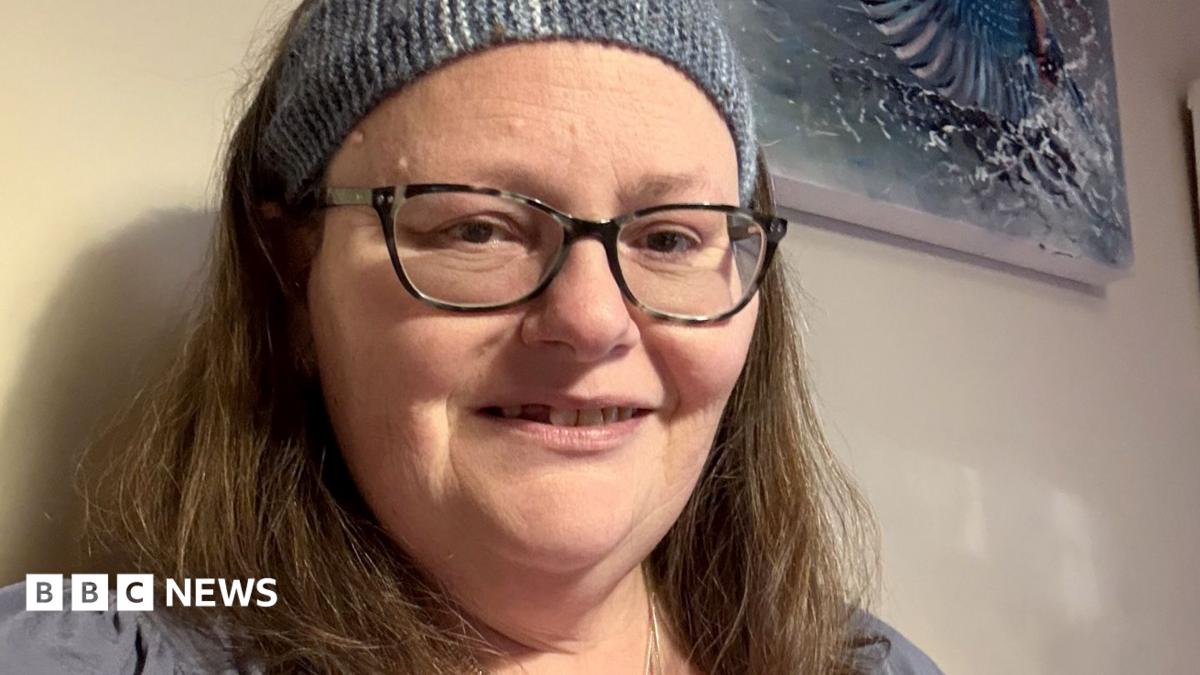
For Sarah Bodger, the cost of travelling to work is 'crippling' - and that's before you factor in the four hours a day she spends on buses between Bedworth and Leamington Spa, six days a week. The wool shop owner endures the epic journey because she loves running her shop ('It makes me happy,' she says), but the £58 weekly fare, or more than £3,000 a year, has been a bit of a downer.
That's about to change: a newly-announced cap on most single bus fares in England, coming into force in January, will save Sarah a cool £500 a year. Prime Minister Andy Burnham, announcing the scheme, declared that no-one should be 'priced out' or 'left behind' when it comes to affordable transport. Sarah is thrilled: 'It's going to make a huge difference to me.'
But not everyone is popping champagne. Charlie, a 24-year-old from Bristol's outskirts, thinks the cap might lure him into the city centre on weekends. Holly Haines, however, living in rural Hereford near the Wales border, notes that her bus is run by a Welsh company and costs at least £4.20 for a single - so the £2 cap is about as useful as a chocolate fireguard. 'Whilst I would love for other people to benefit... I find it hard that I will not be able to benefit from it,' she says.
Seb Pelisse, a 33-year-old from Surrey who drives and trains to London, calls the cap 'a great measure for anyone not driving' but suggests fixing train fares would 'help many more,' given that commuting to London is 'horrendously expensive.'
The cap, effective 1 January 2027 for participating buses outside London, is expected to cost over £500m, which Burnham says will come from 'reprioritising' government funds. Shadow Chancellor Mel Stride notes the government hasn't specified where the money will come from, but the government says £454 million will be reallocated from the Department for Energy Security and Net Zero. Fares in England were already capped at £3 (raised from £2 in January 2025 under Sir Keir Starmer), though Liverpool and Manchester held at £2.
The Campaign for Better Transport welcomes the lower cap but points out that rural areas still suffer from fewer routes and services, having been hit harder by council cutbacks than urban zones. So, progress? Sort of. But if you live near Wales, drive a car, or rely on trains, you might want to look away.
The Good Times
News in your inbox.
One sardonic roundup, delivered on your schedule. Free. Unsubscribe whenever your tolerance for wit runs out.
Already subscribed but we never reach your inbox? Check your spam folder and hit 'Not spam' (or 'Remove from spam') to bust us out of junk-mail purgatory. You'll be helping everyone else too.
Don't open any of our emails for a month and you'll be automatically removed from the mailing list.
Rewrite Article
Select parts to regenerate with a fresh AI pass. Translations will be updated automatically.
Generate AI Image
Creates a sardonic version of the article image using OpenAI.