Study Finds That the Type of Tea in Your Kombucha Actually Matters, Shocking Absolutely No One
Scientists confirm that the type of tea in your kombucha changes its flavor and antioxidant activity, which is exactly what anyone who's ever tasted different kombuchas could have told them.
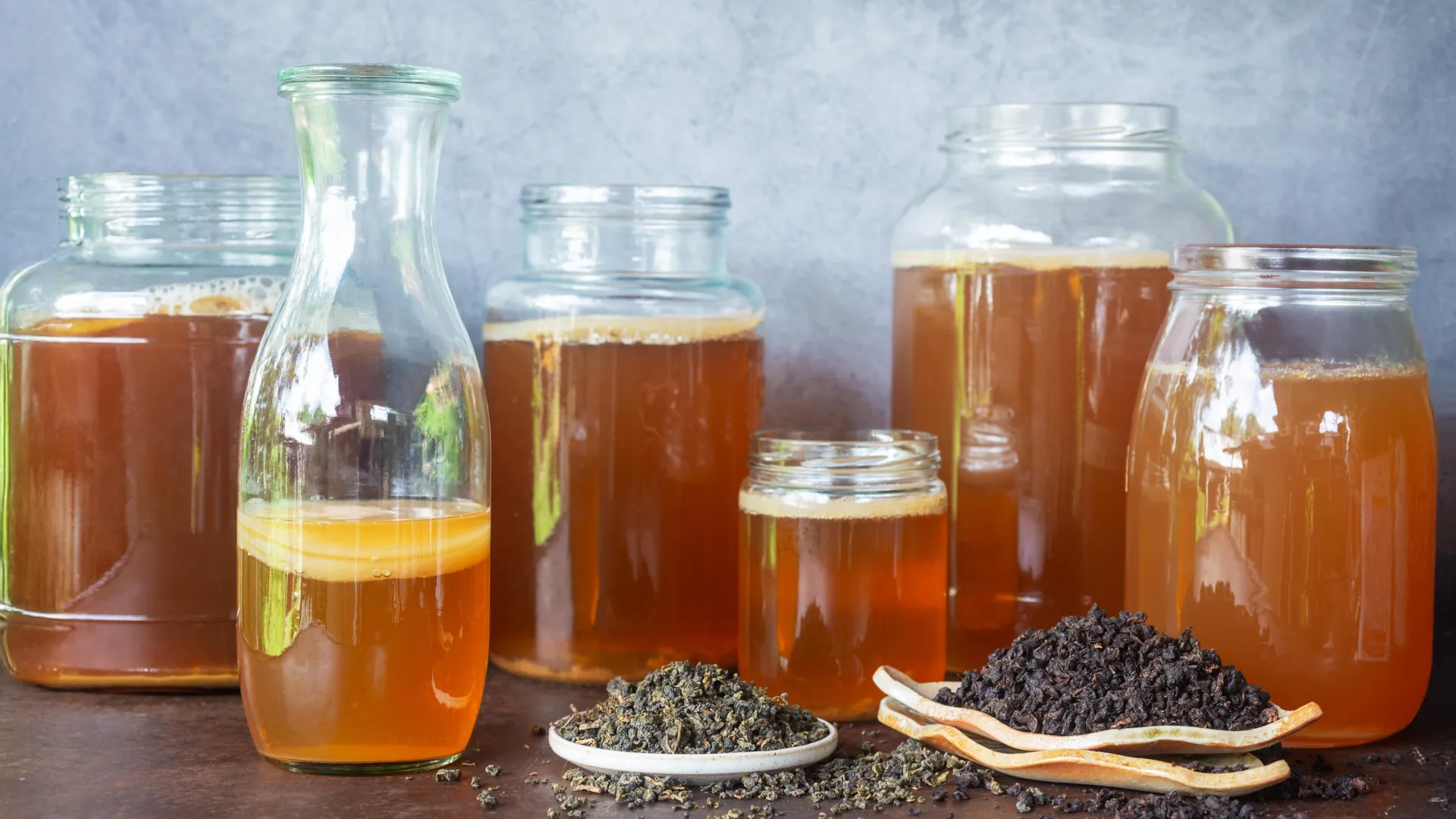
Kombucha, the fermented tea drink that somehow convinced an entire generation that drinking vinegar is a personality trait, has been getting the scientific treatment it probably never asked for. Researchers from the Wrocław University of Environmental and Life Sciences and Wroclaw Medical University - namely Associate Professor Helena Moreira, PhD, Associate Professor Ewa Barg, PhD, and Anna Szyjka, MSc Eng. - decided to answer a question that has haunted kombucha drinkers everywhere: Does the type of tea you use actually change anything? Their answer, published in the journal Food Chemistry, is a resounding yes, with differences far larger than expected.
The team compared kombuchas made from black, green, white, oolong, and pu-erh teas, and discovered that the tea acts as a “specific matrix” that shapes fermentation and the final product. In other words, if you start with different tea leaves, you get different fizzy vinegar water. Shocking.
During fermentation, the SCOBY - that slimy blob that looks like a science experiment gone wrong - gets to work. Yeasts turn sugar into alcohol and carbon dioxide, then bacteria convert those into organic acids like acetic and gluconic acid, giving kombucha its signature sour tang. Meanwhile, polyphenols, catechins, and volatile compounds get transformed, creating floral and fruity aromas thanks to compounds like linalool and 2-phenylethanol. The researchers used advanced chromatographic methods and mass spectrometry to track hundreds of chemical compounds, probably ruining the mystique for anyone who thought kombucha was just tea with extra steps.
Green and oolong teas produced kombuchas with the highest antioxidant activity and free radical neutralization capacity. Green tea kombucha had a fresher, more vegetal aroma, while oolong went floral and fruity. Black and pu-erh teas, meanwhile, gave earthier, more fermented vibes. The researchers caution that these are lab results, not a green light to chug kombucha as a health elixir. “Further clinical studies are necessary,” they note, which is science-speak for “don't quit your day job yet.”
Fermented foods are all the rage in nutrition science right now, and kombucha is a prime example of how raw ingredients and microbes throw a party in your drink. The takeaway: kombucha is not a monolith. Your choice of tea matters, even if your taste buds can't tell the difference after the third sip.
The Good Times
News in your inbox.
One sardonic roundup, delivered on your schedule. Free. Unsubscribe whenever your tolerance for wit runs out.
Already subscribed but we never reach your inbox? Check your spam folder and hit 'Not spam' (or 'Remove from spam') to bust us out of junk-mail purgatory. You'll be helping everyone else too.
Don't open any of our emails for a month and you'll be automatically removed from the mailing list.
Rewrite Article
Select parts to regenerate with a fresh AI pass. Translations will be updated automatically.
Generate AI Image
Creates a sardonic version of the article image using OpenAI.