Study Suggests Eating Vegetables Causes Cancer, Experts Suggest Study Causes Headaches
A small, unreviewed study speculates that fruits and veggies cause lung cancer, while experts speculate the study causes a severe lack of scientific rigor.
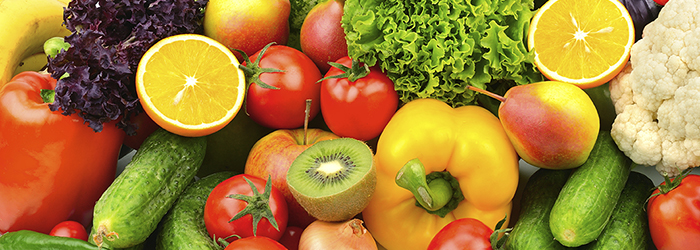
In the current nutritional landscape where health advice increasingly involves slathering beef fat on your face and taking up smoking, a new study has arrived to suggest that, actually, eating fruits and vegetables might be the real danger. The claim, which posits that produce and whole grains could increase lung cancer risk, is being presented this week at the American Association for Cancer Research conference and has not been peer-reviewed.
Experts who have seen the abstract are, to put it mildly, unimpressed. The research, led by Jorge Nieva at the University of Southern California, analyzed dietary survey data from just 166 non-smokers who developed lung cancer before age 50. The researchers scored the participants' diets and found they had higher scores for consuming fruits, vegetables, and whole grains compared to the general population. Their speculative leap? That pesticides on these foods might be to blame.
Statisticians and oncologists have swiftly cataloged the study's flaws. Baptiste Leurent of University College London noted the glaring absence of a control group of healthy non-smokers under 50. The finding, he suggests, "could simply reflect the fact that younger people, or non‑smokers, tend to have healthier diets than the general population." Peter Shields, an emeritus professor at Ohio State University, pointed out that leanness - often associated with such diets - is itself a known correlate with lung cancer, potentially explaining any link.
Shields also called the study's grouping of cancer mutations "arbitrary" and emphasized that the proposed role for pesticides is "entirely speculative." This speculation flies in the face of decades of evidence, including meta-analyses, which consistently find that eating fruits and vegetables either lowers lung cancer risk or has no effect. Leurent dismissed the abstract, stating it provides "little evidence of an association between diet and lung cancer, let alone any causal link." The consensus from experts not involved in the press release seems to be that the benefits of eating your greens still far outweigh the risks of reading this study.
The Good Times
News in your inbox.
One sardonic roundup, delivered on your schedule. Free. Unsubscribe whenever your tolerance for wit runs out.
Already subscribed but we never reach your inbox? Check your spam folder and hit 'Not spam' (or 'Remove from spam') to bust us out of junk-mail purgatory. You'll be helping everyone else too.
Don't open any of our emails for a month and you'll be automatically removed from the mailing list.
Rewrite Article
Select parts to regenerate with a fresh AI pass. Translations will be updated automatically.
Generate AI Image
Creates a sardonic version of the article image using OpenAI.