Student's University Savings Go to Pay for Fillings as NHS Dentistry Goes AWOL
NHS dentistry is so scarce that students are blowing their university savings on fillings, and pregnant women can't get the free care they're legally entitled to - because Britain's teeth have become a luxury item.
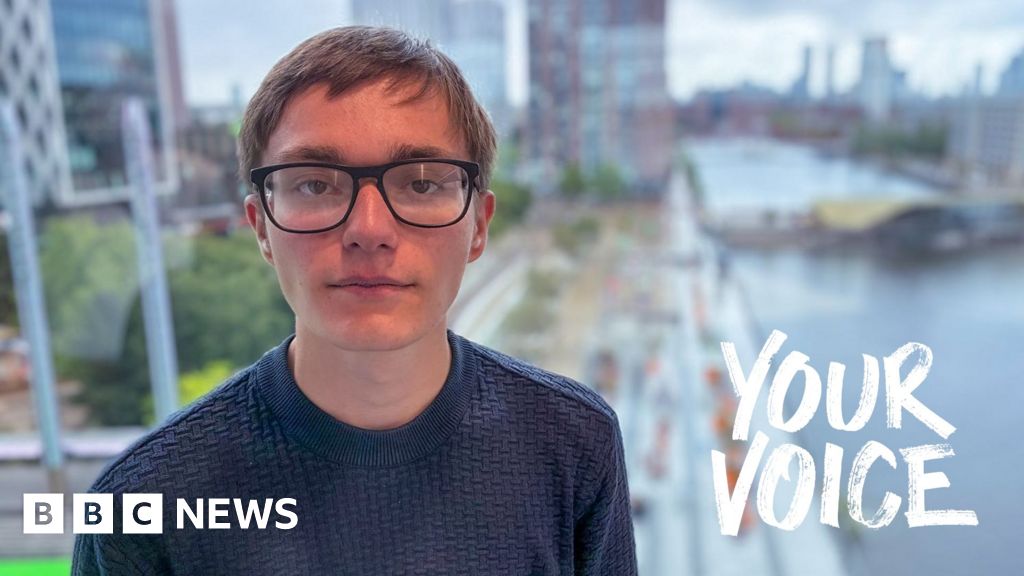
Last summer, Deacon Galloway was doing what countless teenagers do before university: packing bags, buying bedding, and mentally preparing for a diet of instant noodles. His grandparents had kindly set aside money to help with costs. Then reality, in the form of his teeth, intervened.
Deacon needed dental work but couldn't find an NHS dentist near his home in North Yorkshire. So the now-19-year-old University of Manchester student went private, dropping nearly £800 - a third of his grandparents' savings - on two fillings and two replacement fillings. On the NHS, it would have been free, because he was under 19 and in full-time education. "It was really upsetting, but I had no choice," he says, adding that he knew ignoring the problem would only make it worse.
Welcome to Britain's 'dental deserts,' where NHS dentists are about as common as affordable housing. According to the General Dental Council, about a third of people getting dental treatment pay privately, but less than a fifth do so because they actually want to. The BBC's Your Voice project has heard from people dipping into savings and taking out loans just to get their teeth sorted, all while private costs soar.
A UK-wide analysis by MyTribe Insurance found initial consultation prices rose 23% in two years to £80 on average, while simple extractions jumped 32% to £139. Root canal charges vary wildly, hitting £660 in some places compared to a £400 average. On the NHS, that same root canal costs five times less. MyTribe warns that "surging" prices and lack of NHS access are leaving patients "struggling to afford essential care."
Are dentists exploiting the shortage? The Competition and Markets Authority (CMA) is investigating - not just price hikes but also how dentists communicate costs and options. Many practices offer a mix of NHS and private work, but the balance is tipping. Rebecca Curtayne of Healthwatch England says people in deprived and rural areas are hit hardest, having both the poorest NHS access and the least ability to afford private fees.
For Deacon, the £800 bill meant forgoing specialist equipment for his studies. "It has just made juggling everything more difficult this year. It shouldn't be like this," he says.
Then there's Sophie Bingham, a 32-year-old mother-of-one from Suffolk. Despite having a maternity exemption certificate entitling her to free NHS dental care during pregnancy, she was told it couldn't be used at a private practice. She paid £70 for check-ups throughout her pregnancy and ended up with a £200 filling. "That is money that I should have been able to put towards my daughter," she says.
The British Dental Association (BDA) has sympathy but insists price rises are justified by high inflation in the sector. Chair Eddie Crouch also notes that dentists are "subsidising" NHS work with private income because the health service doesn't pay enough. The BDA's submission to the CMA suggests NHS dentistry in England costs £4.2bn to provide, but only £3bn comes from the government - a £1.2bn shortfall. That gap, the BDA argues, is why a third of practices are shifting to more private work, and over a quarter are now private only.
If that trend continues, says Thea Stein of the Nuffield Trust health think-tank, the impact could be "devastating," locking people out of care entirely. All four UK nations are increasing investment in NHS dentistry and reforming contracts, with England promising a complete overhaul by 2029. Meanwhile, the Department of Health and Social Care insists private dentistry must be held to account, which is why the CMA has been asked to investigate. "Families up and down the country are still feeling the pressure of the cost of living and no-one should have to choose between paying their bills and looking after their teeth," a spokesman added.
In other words: brush twice a day, floss, and maybe start a savings account just for your molars.
The Good Times
News in your inbox.
One sardonic roundup, delivered on your schedule. Free. Unsubscribe whenever your tolerance for wit runs out.
Already subscribed but we never reach your inbox? Check your spam folder and hit 'Not spam' (or 'Remove from spam') to bust us out of junk-mail purgatory. You'll be helping everyone else too.
Don't open any of our emails for a month and you'll be automatically removed from the mailing list.
Rewrite Article
Select parts to regenerate with a fresh AI pass. Translations will be updated automatically.
Generate AI Image
Creates a sardonic version of the article image using OpenAI.