Six Eggs Cost £1.80 Now - Blame the Chickens, Ukraine, and Your Protein Obsession
Eggs, milk, and bread have all gotten pricier since 2022 thanks to avian flu, war in Ukraine, and energy spikes - but supermarkets aren't really profiting, they're just surviving.
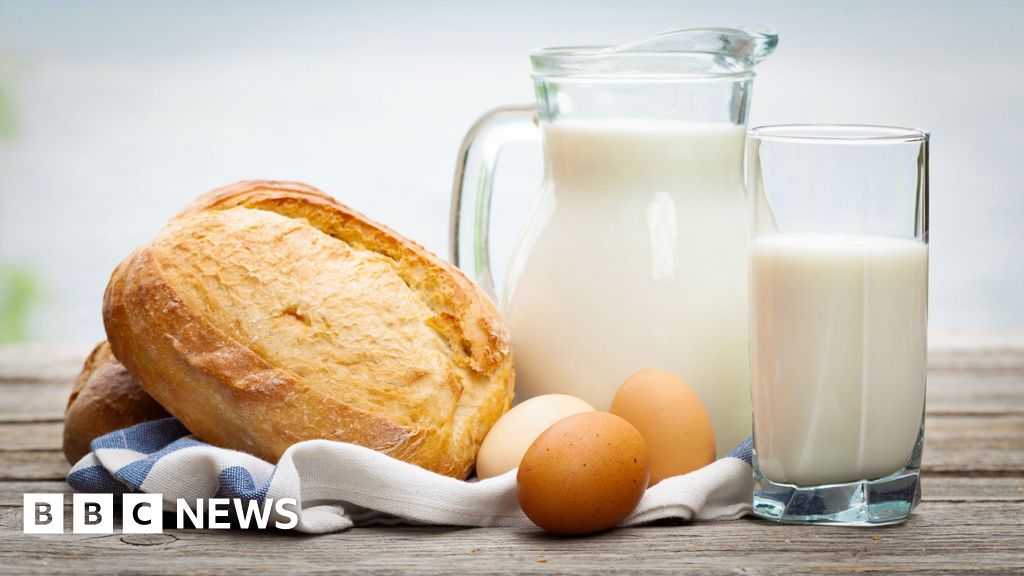
Remember when a box of six eggs cost a quid? That was 2022, a simpler time before avian flu turned hen houses into no-fly zones and Russia decided to invade Ukraine, sending grain prices into orbit. Today, the same box averages £1.80 across Tesco, Sainsbury's, Asda, and Morrisons, according to market researchers Assosia. The culprit? Millions of hens were culled during the UK's worst avian flu outbreak between 2021 and 2023, slashing egg supply. Add in soaring energy costs to keep the surviving birds warm and the eggs transported, and you've got a recipe for pricier omelettes. Ukraine's grain, a key chicken feed, got pricier after the 2022 invasion, and the Middle East conflict isn't helping energy costs either. Meanwhile, high-protein diet fads keep demand pecking.
Milk hasn't escaped the squeeze either. Four pints of semi-skimmed went from £1.29 in 2022 to £1.65 today, per Assosia's data on budget ranges. Dairy farming guzzles energy for milking, processing, and hauling, so post-Ukraine energy spikes hit hard. Good news - price rises have eased thanks to a global milk glut, but dairy farmers are now paid 25% less per litre, with many operating at a loss, says The Andersons Centre. Producers' costs surged 7.7% in the year to April - the biggest jump in over three years - while the prices they charge retailers rose only 4%. Danni Hewson of AJ Bell explains that contracts between farmers and supermarkets are locked in advance, so when energy prices explode mid-contract, farmers just have to eat the loss.
Bread? A basic medium slice white loaf cost 65p in 2022; now it's 74p. Wheat prices spiked after Russia's invasion but have stabilized, though Middle East turmoil has reignited supply fears, per The Andersons Centre. Hewson calls it a "perfect storm" of raw materials, energy, labor, and even packaging regulation hikes. You might suspect supermarkets are laughing all the way to the bank, given their sales rose from £130bn to £160bn between 2020 and 2024. But factor in operating expenses, and none of the big retailers' profit margins have budged in 20 years. The Competition and Markets Authority's July 2024 probe found no evidence of artificial price inflation. Andrew Opie of the British Retail Consortium insists the UK is "one of the most affordable places in Western Europe for grocery shopping," with supermarkets sometimes selling staples at a loss just to get you through the door. So next time you're mourning the £1 egg, remember: someone's probably losing money on it.
The Good Times
News in your inbox.
One sardonic roundup, delivered on your schedule. Free. Unsubscribe whenever your tolerance for wit runs out.
Already subscribed but we never reach your inbox? Check your spam folder and hit 'Not spam' (or 'Remove from spam') to bust us out of junk-mail purgatory. You'll be helping everyone else too.
Don't open any of our emails for a month and you'll be automatically removed from the mailing list.
Rewrite Article
Select parts to regenerate with a fresh AI pass. Translations will be updated automatically.
Generate AI Image
Creates a sardonic version of the article image using OpenAI.