Scientists Test 39 Sweeteners, Find They're Not Just Sitting There Being Sweet
Cambridge scientists find 39 sweeteners affect gut bacteria, especially when mixed with other stuff like antidepressants. Lab results, not human trials - but still, maybe don't chase your meds with diet soda.
In news that will surprise approximately no one who has ever felt a little off after a diet soda, researchers at the University of Cambridge have found that many sweeteners mess with your gut bacteria - sometimes in ways that could matter.
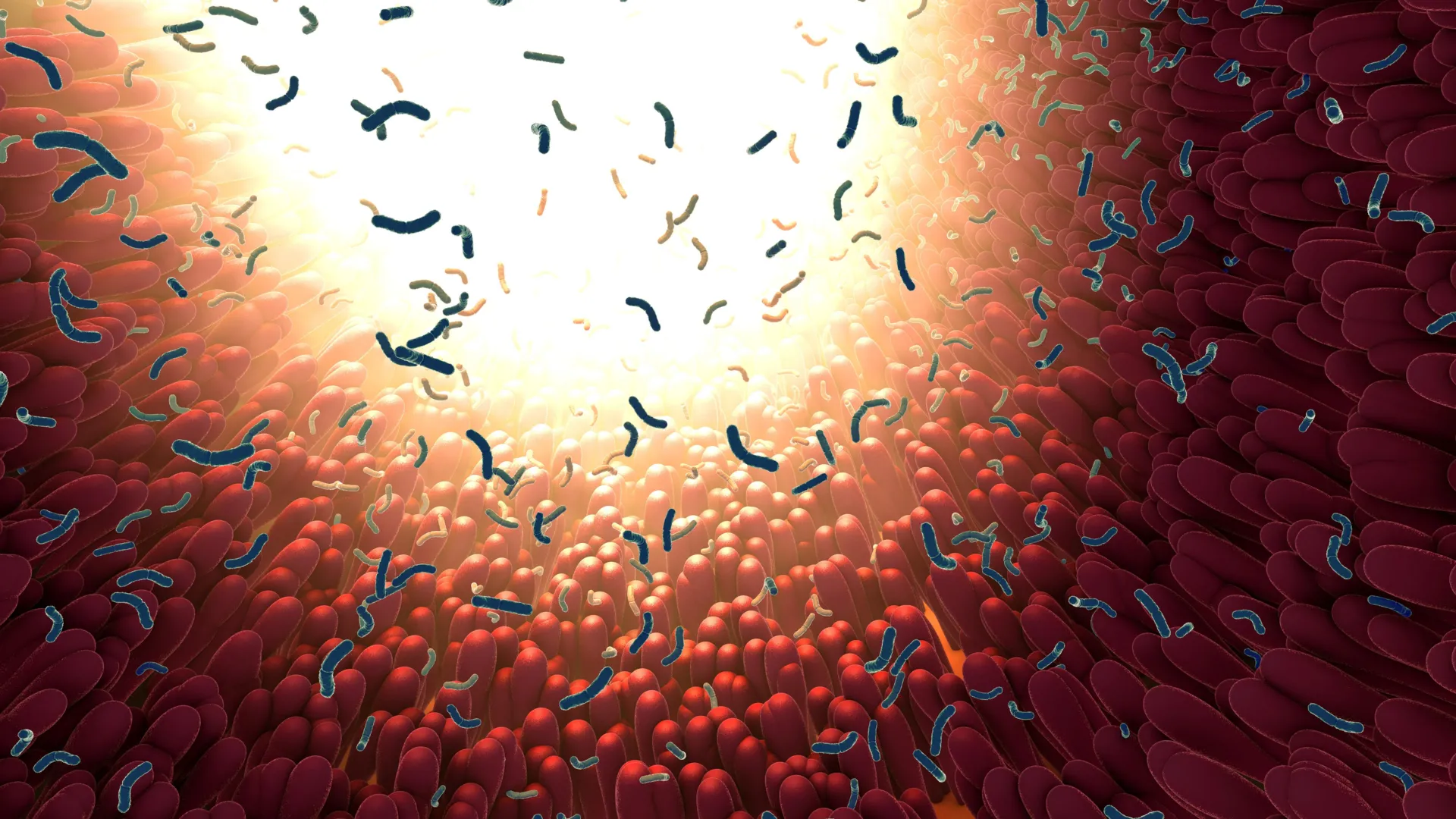
The study, published in Molecular Systems Biology, tested 39 commercially used sweeteners (natural and artificial) against 25 bacterial species grown in the lab. About three-quarters of the sweeteners affected the growth of at least one bacterial species. Several reduced or halted the growth of bacteria linked to digestive health, blood sugar regulation, and immune function.
But here's where it gets conspiratorial: people rarely consume sweeteners alone. So the team paired them with caffeine, vanilla extract, another sweetener, or one of eight common drugs. They found over 100 cases where a sweetener's effect changed when another compound was present - 34 times it got stronger, 68 times weaker.
The headline-grabber was isosteviol (a sweetener used by the food industry) combined with duloxetine, an antidepressant taken by over 4.2 million Americans in 2023. Together, they strongly suppressed Roseburia intestinalis and Parabacteroides merdae - two bacterial species considered important for digestive and metabolic health. The combo also reduced microbial diversity in a synthetic gut community and increased toxicity toward host cells.
Lead author Dr. Sonja Blasche said: "Sweeteners are often marketed as metabolically neutral, but our study challenges this idea. They can directly affect gut bacteria, particularly when mixed with other compounds."
Before you flush your zero-soda stash, note the caveats: this was lab work, not human trials. In real guts, sweeteners may be absorbed, diluted, or broken down before reaching microbes. Diet, genetics, and existing microbiome composition also matter. More research is needed to know if these interactions produce meaningful health effects.
Senior author Professor Kiran Patil added: "Our study suggests that artificial sweeteners don't just pass through the body passively - they can interact with gut microbes, and these effects can be amplified or altered by other substances like medications."
So go ahead and enjoy your artificially sweetened treat with your antidepressant. Just maybe not at the exact same time. Or do - we're not doctors, we just write the headlines.
The Good Times
News in your inbox.
One sardonic roundup, delivered on your schedule. Free. Unsubscribe whenever your tolerance for wit runs out.
Already subscribed but we never reach your inbox? Check your spam folder and hit 'Not spam' (or 'Remove from spam') to bust us out of junk-mail purgatory. You'll be helping everyone else too.
Don't open any of our emails for a month and you'll be automatically removed from the mailing list.
Rewrite Article
Select parts to regenerate with a fresh AI pass. Translations will be updated automatically.
Generate AI Image
Creates a sardonic version of the article image using OpenAI.