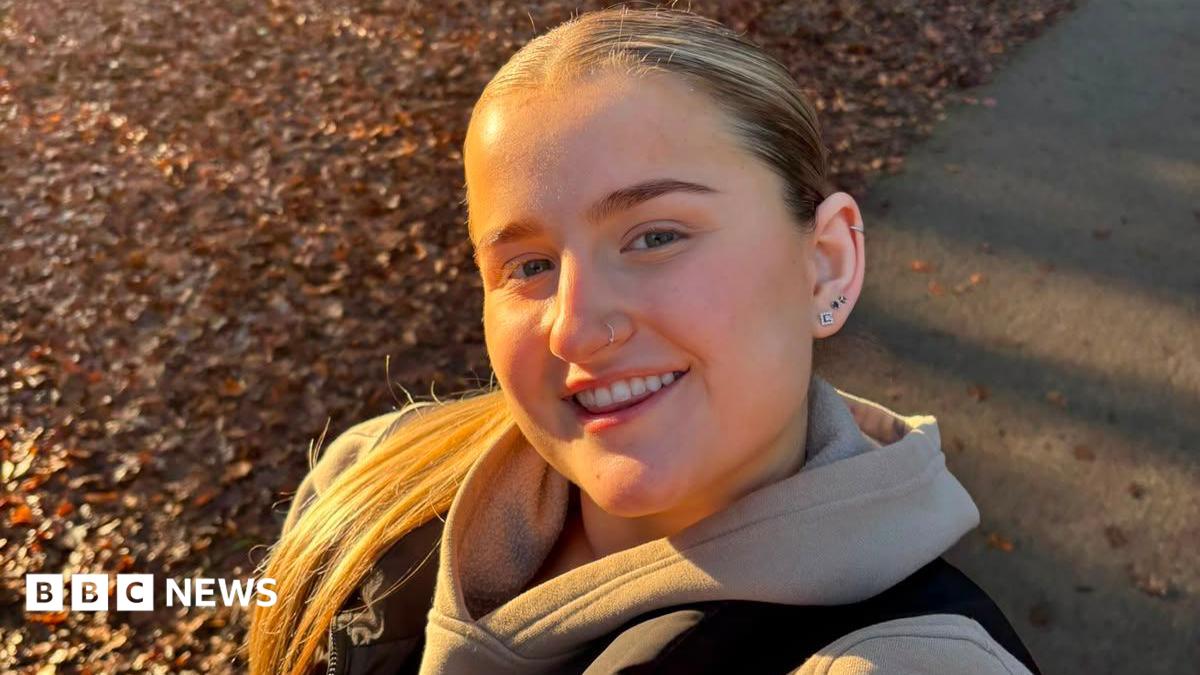
Sophia, 24, has been in a loving relationship for over a year, but her brain still insists on running a non-stop audit of its viability. The content creator and waitress from Leeds describes living with relationship OCD (ROCD), a form of obsessive-compulsive disorder that turns normal relationship doubts into a full-blown mental torment. 'I couldn't leave the house because I was so worried I would cheat on my boyfriend,' she says. 'At my worst, I'd be lying in bed all day, asking ChatGPT hundreds of questions to try and get reassurance.'
Prof David Veale, a consultant psychiatrist at the South London and Maudsley NHS Trust, explains that ROCD involves persistent intrusive doubts that cause significant distress and lead to compulsive behaviors, like repeatedly testing your partner. 'It can take hours of mental energy and cause a lot of anxiety, whereas in a normal relationship these thoughts don't dominate your day,' he says. OCD affects 1.2% of the UK population, but ROCD isn't recorded separately, so exact numbers are murky. Prof Veale suspects it may be 'slightly more common in women,' though data is insufficient to say for sure.
Prof Guy Doron, a clinical psychologist from Reichman University in Israel, notes that awareness of ROCD has grown through social media and research, driving more people to seek help. The condition typically falls into two categories: relationship-centered (doubting your own feelings) and partner-focused (obsessing over your partner's flaws). Life transitions like moving in together or getting married can trigger it. Sophia's OCD originally centered on germs - she washed her hands at least 30 times a day - but latched onto her relationship a month in, when things got serious. Even small things like her boyfriend wearing an unflattering outfit would make her question everything.
Social media doesn't help. 'It romanticises love and can make people doubt their own relationship,' says Prof Doron. Gracie, a mental health charity worker from Bristol who has had ROCD for seven years, finds phrases like 'when you know, you know' particularly triggering. 'We can be having a nice time, but in my head I'll be freaking out wondering about if he's the one - it's exhausting,' she says. Both Sophia and Gracie have tried medications and cognitive behavioral therapy (CBT), but also had to learn about ROCD through online research and YouTube. OCD Action recommends speaking to a GP as a first step, while Prof Doron advises against testing your partner for reassurance and suggests limiting social media and dating app use.
The Good Times
News in your inbox.
One sardonic roundup, delivered on your schedule. Free. Unsubscribe whenever your tolerance for wit runs out.
Already subscribed but we never reach your inbox? Check your spam folder and hit 'Not spam' (or 'Remove from spam') to bust us out of junk-mail purgatory. You'll be helping everyone else too.
Don't open any of our emails for a month and you'll be automatically removed from the mailing list.
Rewrite Article
Select parts to regenerate with a fresh AI pass. Translations will be updated automatically.
Generate AI Image
Creates a sardonic version of the article image using OpenAI.