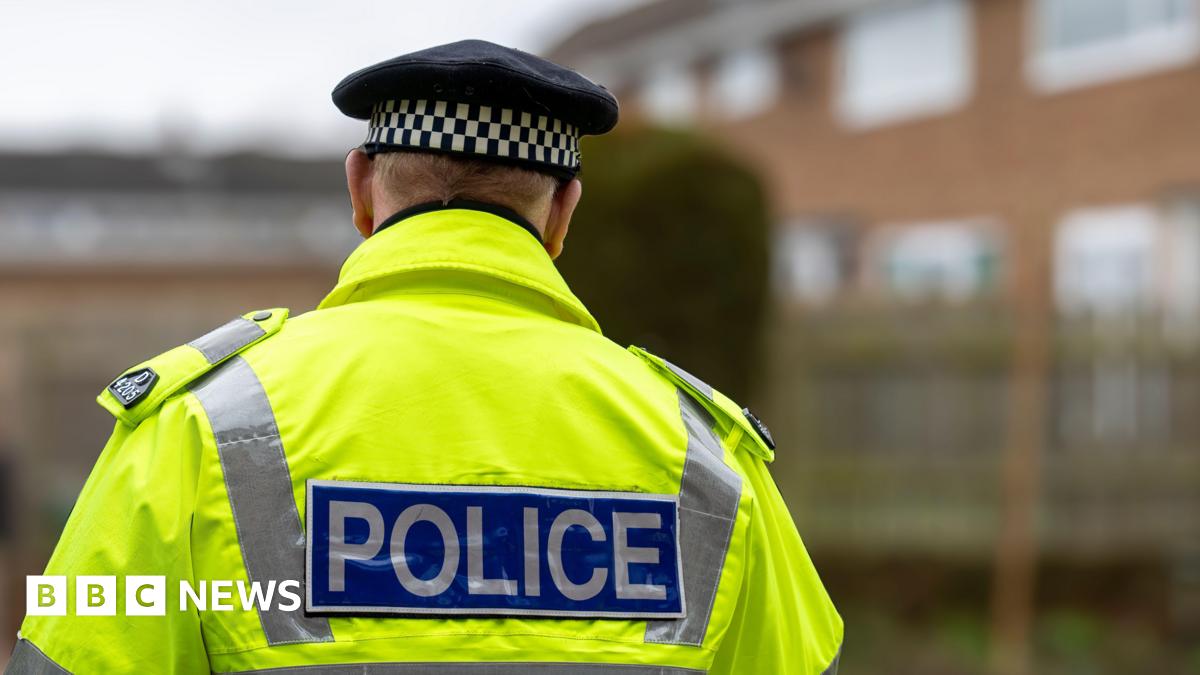
Police Leadership Needs 'Ethical Reset,' Landmark Review Finds - and Maybe a Few Less Chief Constables Under Investigation
Independent review finds police leadership in England and Wales is a hot mess, with too few qualified candidates, low morale, and eight chief constables under investigation - recommending an 'ethical reset' and a new academy.
A landmark independent review has dropped the kind of bad news that makes you want to lock the doors and throw away the key: police leadership in England and Wales is not consistently up to snuff and needs a fundamental overhaul. The Police Leadership Commission's report, published Monday, warns that the system for identifying and developing leaders is so weak that chief constable roles often attract only a single suitable candidate - which, in a country with 43 police forces, is a bit like showing up to a party and finding everyone else has already left.
The report also points to low morale, excessive paperwork, and a risk-averse culture that leaves officers feeling less motivated than a teenager asked to clean their room. Co-author Lord Blunkett, a former Labour home secretary, told the BBC the service needs an 'ethical reset,' noting that eight former or serving chief constables are currently under disciplinary action or awaiting results - out of 43 forces. That's roughly one in five, which in any other profession would be considered a 'yikes' moment.
The Commission, chaired by Lord Blunkett and former Conservative policing minister Lord Herbert, was set up in October 2025 with Home Office support amid declining public confidence and heightened scrutiny. Evidence came from a survey of nearly 2,000 sergeants and inspectors, expert roundtables, and over 400 public submissions. Among the findings: a postcode lottery for promotions, concerns about nepotism and favoritism, and limited investment in leadership development. Almost a third of frontline officers have less than five years' experience, which is fine if you're a barista but less reassuring when you're handling a taser.
The report recommends restoring central funding for leadership development (matching other public services like the NHS), creating a new senior constable rank to reward experienced frontline officers, nationally accredited training for new constables, and a new sergeant qualification to replace an 'outdated' exam that fewer than half of candidates currently pass. It also calls for 'urgent action' to build a credible pipeline of future chief constables, plus a National Academy of Police Leadership to provide consistent, high-quality development across forces.
'We have found outstanding examples of those who have transformed delivery to the public,' Lord Blunkett said, 'but also extraordinarily worrying evidence requiring profound change.' None of the 43 forces scored 'outstanding' for leadership in the most recent inspection round; almost a third need improvement, and two are outright inadequate. Policing minister Sarah Jones said the recommendations will shape the government's 'programme of police reform to strengthen leadership, raise standards and restore confidence in policing.' The Home Office will publish a response this autumn. Sir Andy Marsh, former chief constable and chief executive of the College of Policing, called the report 'the most comprehensive examination of police leadership in a generation,' adding: 'We will seize this opportunity to invest in officers and staff so they can do what they joined policing to do - protect the public and catch criminals.' One can only hope the next generation of leaders is less likely to be under investigation.
The Good Times
News in your inbox.
One sardonic roundup, delivered on your schedule. Free. Unsubscribe whenever your tolerance for wit runs out.
Already subscribed but we never reach your inbox? Check your spam folder and hit 'Not spam' (or 'Remove from spam') to bust us out of junk-mail purgatory. You'll be helping everyone else too.
Don't open any of our emails for a month and you'll be automatically removed from the mailing list.
Rewrite Article
Select parts to regenerate with a fresh AI pass. Translations will be updated automatically.
Generate AI Image
Creates a sardonic version of the article image using OpenAI.