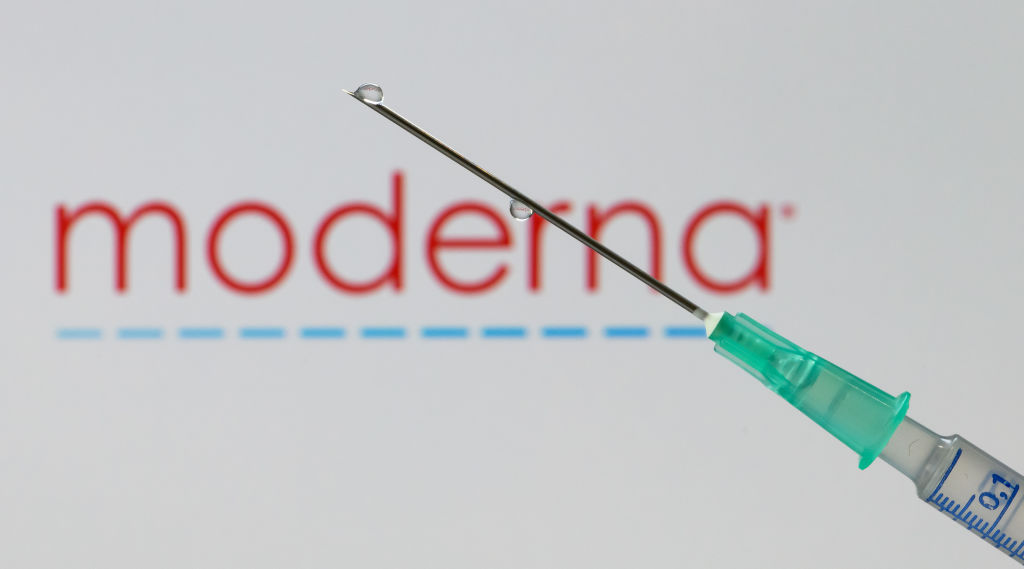
Moderna's mRNA Flu Shot Finally Wins FDA Approval, Surviving Its Own Rollercoaster of Chaos
The FDA finally approves Moderna's mRNA flu shot after a chaotic saga involving vaccine skeptics, a rogue FDA official, and a defunct advisory panel. Because why make things easy?
In a development that surely surprised no one who's been paying attention, the Food and Drug Administration has officially approved the first mRNA-based flu vaccine - a move that took a wild ride through political turbulence, bureaucratic sabotage, and a brief detour into vaccine denialism.
On Thursday, Moderna announced that its mRNA-1010, marketed as mFLUSIVA, is now approved for all adults aged 50 and up. The approval comes after a unanimous vote by FDA advisors in June, who were impressed by its superior efficacy compared to existing seasonal flu shots and a solid safety record from trials involving nearly 44,000 people. The FDA had set a goal of August 5 to make a decision, and they hit it - barely, and not without drama.
The path to approval was, to put it mildly, a bit of a mess. Health Secretary Robert F. Kennedy Jr., a man who has made a career out of questioning vaccines, wasted no time in trying to derail the process. His first act as health secretary was canceling a federal flu shot campaign in the middle of a particularly nasty flu season, despite the CDC having already paid for the ads and children dying at alarming rates. He's also called the mRNA COVID-19 vaccine the "deadliest vaccine ever made" and slashed hundreds of millions in federal research grants for mRNA tech.
In February, Trump appointee Vinay Prasad, a Kennedy ally, refused to review the vaccine entirely, ignoring FDA staff and career officials. His excuse? The company didn't compare its vaccine to the "correct" existing one. Moderna pushed back, pointing out that FDA officials had previously signed off on the trial designs. The FDA reversed Prasad's decision a week later, and Prasad was shown the door in late April after a series of controversial moves.
The June advisory committee meeting was more upbeat, with experts praising the mRNA platform's agility - it allows for quick tweaks and updates, and production takes just one to two months compared to the six to eight months needed for traditional egg-based vaccines. Moderna CEO Stéphane Bancel celebrated the approval, saying it "demonstrates the continued strength and versatility of our mRNA platform," and noted that flu remains a significant public health challenge. He's not wrong.
But the drama isn't over. The CDC's advisory panel, which issues vaccine recommendations, is effectively defunct after a federal judge ruled in March that most of Kennedy's anti-vaccine appointees were unqualified. The judge ordered their removal and reversed many of Kennedy's changes, but the Trump administration is appealing. In the meantime, the Advisory Committee on Immunization Practices hasn't met, leaving doctors without guidance on who should get mFLUSIVA this flu season. And without that recommendation, insurance coverage is murky.
Moderna says it expects mFLUSIVA to be available for the 2026 - 2027 flu season, but Wall Street isn't holding its breath for meaningful sales until 2027 - 2028. So, yeah, the vaccine is approved, but the rollout might be a bit of a mess. Stay tuned.
The Good Times
News in your inbox.
One sardonic roundup, delivered on your schedule. Free. Unsubscribe whenever your tolerance for wit runs out.
Already subscribed but we never reach your inbox? Check your spam folder and hit 'Not spam' (or 'Remove from spam') to bust us out of junk-mail purgatory. You'll be helping everyone else too.
Don't open any of our emails for a month and you'll be automatically removed from the mailing list.
Rewrite Article
Select parts to regenerate with a fresh AI pass. Translations will be updated automatically.
Generate AI Image
Creates a sardonic version of the article image using OpenAI.