Mindfulness: The Unexpected Blood Pressure Medication You Can't Get at the Pharmacy
Study confirms that being mindful, grateful, and optimistic can lower blood pressure and inflammation - because your heart apparently cares about your attitude as much as your diet.
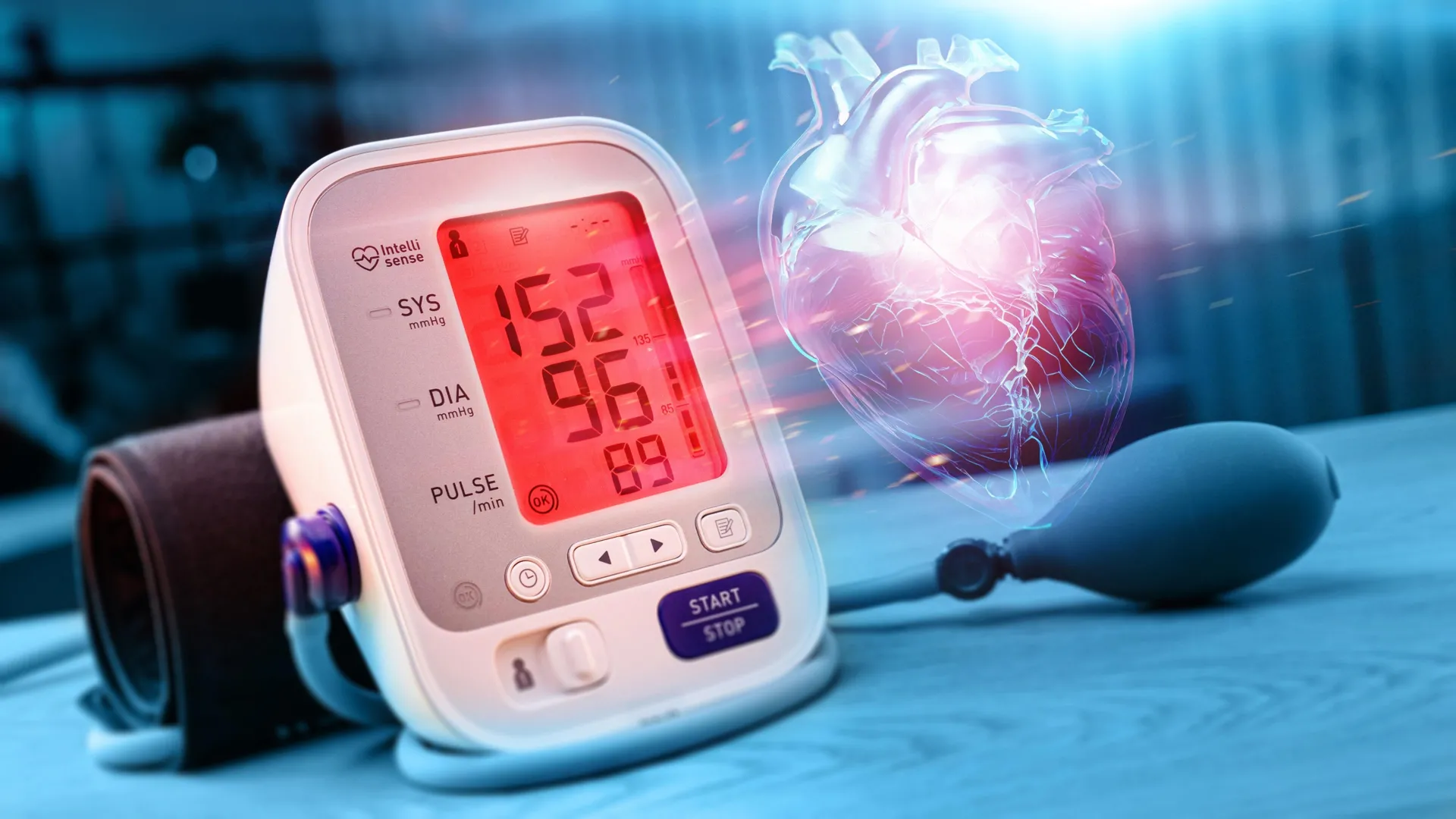
In a groundbreaking study that will surprise absolutely no one who has ever taken a deep breath, researchers have found that being mindful, grateful, and optimistic might actually be good for your heart. The study, which reviewed 18 randomized controlled trials, found that positive psychology interventions like mindfulness, gratitude journaling, and optimism training were consistently linked to improvements in blood pressure, inflammation, and other heart disease risk factors. Because some benefits were tied to healthier behaviors like better eating and more exercise, the researchers suggest that continued reinforcement may be necessary to keep the progress going - because apparently, one grateful thought doesn't fix a lifetime of cheeseburgers.
Rosalba (Rose) Hernandez, a professor of social work at the University of Illinois Urbana-Champaign, led the research. The programs varied from structured phone sessions to journaling with check-ins, digital apps, text messages, and even in-person group meetings. Most lasted six to 12 weeks, with weekly sessions and homework - because apparently, even happiness requires homework.
Participants were 50-200 adults with elevated cardiovascular risk, like uncontrolled hypertension or heart failure, mostly in their late 50s to mid-60s, and 35-55% were women. "In hypertension and postacute coronary syndrome cohorts, mindfulness-based programs delivered over an eight-week period reduced systolic blood pressure and lowered inflammatory markers such as high-sensitivity C-reactive protein and fibrinogen," said Hernandez, who is a Fellow of the American Heart Association. "A 12-week spirituality-based digital intervention achieved one of the largest reductions - reducing systolic blood pressure measured with a standard cuff by 7.6 points, and central systolic pressure - which is measured in the aorta as it leaves the heart - by 4.1 points."
The review found that more frequent contact with participants meant more reliable physiological benefits. The strongest behavioral changes came from an eight-week WhatsApp-based program with daily microtasks, which encouraged physical activity, better diets, and medication adherence. Another program using motivational interviewing increased cardiac patients' activity by 1,800 steps per day and improved medication adherence. Mindfulness programs improved physical activity and diet but didn't help with medication adherence - because apparently, being mindful doesn't make you remember to take your pills.
"The therapeutic dose that was most consistently linked with improvements in blood pressure, inflammation and endothelial function was daily practice reinforced by weekly sessions over eight to 12-week periods," Hernandez said. "Therapeutic dosing typically involved high-frequency dosing over this time period to obtain short-term physiologic benefits, while ongoing less-intensive contact may be needed to sustain behavioral change."
The study was published in the journal Cardiology Clinics, with co-authors from University of South Florida, Northwestern University Feinberg School of Medicine, and Stanford Medicine. Co-author Alyssa M. Vela noted, "The findings of this study further point to the importance of attending to mental and behavioral health for cardiovascular disease prevention and cardiovascular health optimization. This speaks to the need for routine screening and integration of cardiac behavioral medicine to allow for access to important interventions."
This research builds on earlier work by Hernandez linking optimism to healthier hearts, published in Health Behavior and Policy Review, and funded by the National Institutes of Health and the National Center for Research Resources. So, in summary: being positive might save your heart, but you still have to do the work. And maybe take your meds.
The Good Times
News in your inbox.
One sardonic roundup, delivered on your schedule. Free. Unsubscribe whenever your tolerance for wit runs out.
Already subscribed but we never reach your inbox? Check your spam folder and hit 'Not spam' (or 'Remove from spam') to bust us out of junk-mail purgatory. You'll be helping everyone else too.
Don't open any of our emails for a month and you'll be automatically removed from the mailing list.
Rewrite Article
Select parts to regenerate with a fresh AI pass. Translations will be updated automatically.
Generate AI Image
Creates a sardonic version of the article image using OpenAI.