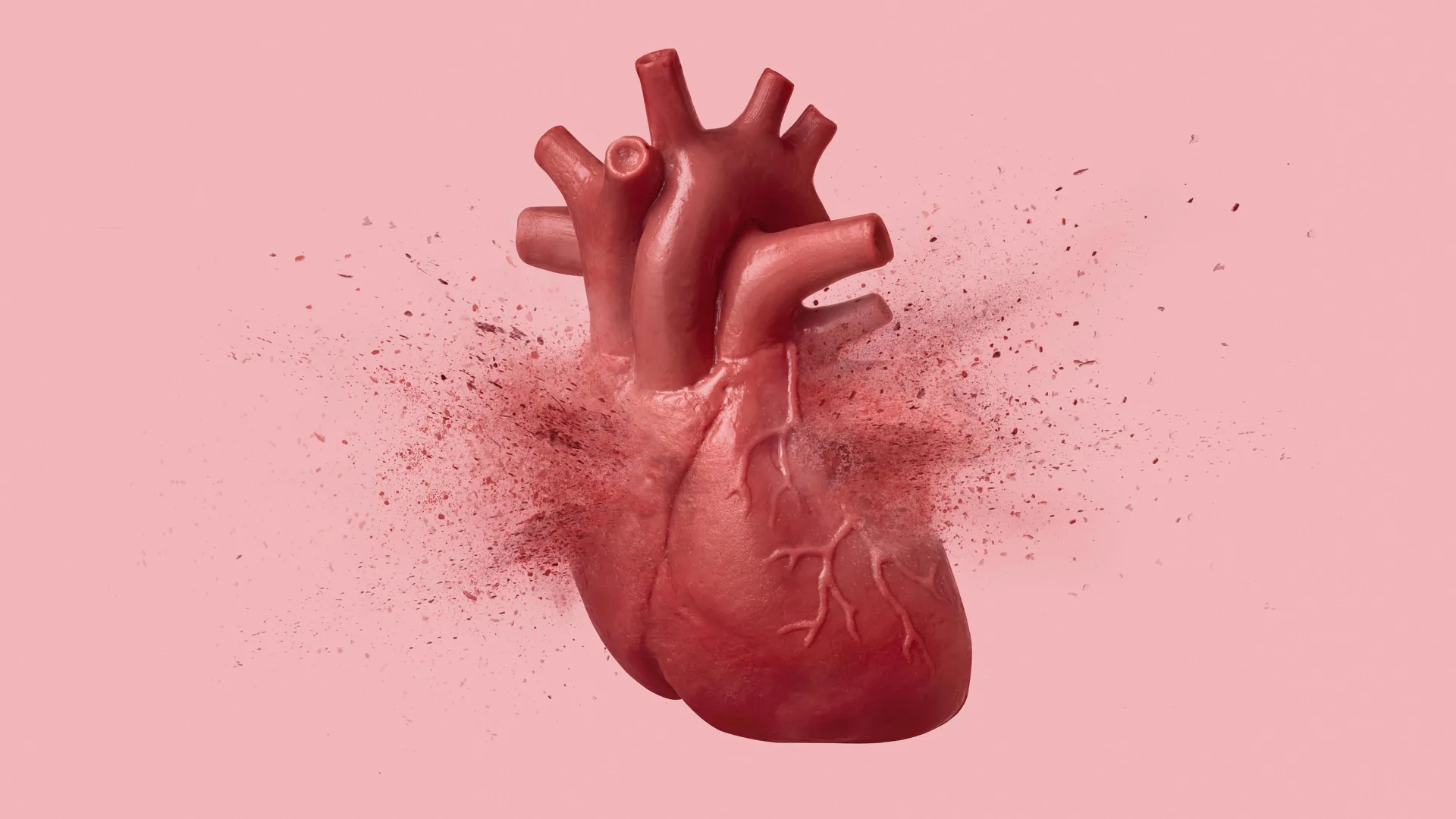
Long-term use of melatonin, the supplement that millions of Americans swallow like gummy vitamins to chase some Z's, has been linked to a 90% higher risk of heart failure among people with chronic insomnia. Yes, you read that right - the 'natural' sleep aid might be giving your heart a reason to stay up at night.
The preliminary research, presented at the American Heart Association's Scientific Sessions 2025, found that people with insomnia who took melatonin for a year or more were about 90% more likely to develop heart failure over the next five years compared to non-users. The study doesn't prove causation - because, let's face it, nothing does anymore - but it does raise some eyebrow-raising questions about a supplement that many people treat as harmless as water.
Melatonin is a hormone produced by the pineal gland in your brain, which helps regulate your sleep-wake cycle. Synthetic versions are chemically identical and widely available over the counter in the U.S., where supplements are about as regulated as a game of tag in a minefield. So, your melatonin could be anywhere from 'just right' to 'who knows what's in here.'
Lead author Ekenedilichukwu Nnadi, M.D., chief resident in internal medicine at SUNY Downstate/Kings County Primary Care in Brooklyn, put it succinctly: 'Melatonin supplements may not be as harmless as commonly assumed.' He's not just whistling in the dark, folks.
The researchers dug into the TriNetX Global Research Network database, which contains de-identified electronic health records from around the world. They matched adults with chronic insomnia who had melatonin use documented for over a year with similar folks who had no melatonin in their records. They excluded anyone with pre-existing heart failure or other sleep medication prescriptions. The results? Heart failure occurred in 4.6% of the melatonin group versus 2.7% of the comparison group - a 90% higher risk. When they narrowed it to people who filled at least two melatonin prescriptions at least 90 days apart, the risk was still 82% higher. (Fun fact: In the UK, melatonin is prescription-only, so this group was probably not sipping it from the candy aisle.)
But wait, there's more. The melatonin group was nearly 3.5 times as likely to be hospitalized for heart failure (19.0% vs 6.6%), and deaths from any cause were also higher: 7.8% vs 4.3%, making the risk nearly twice as high. That's enough to make you toss and turn, if you know what we mean.
Even sleep researcher Marie-Pierre St-Onge, Ph.D., C.C.S.H., FAHA, from Columbia University Irving Medical Center, who wasn't involved in the study, was taken aback: 'I'm surprised that physicians would prescribe melatonin for insomnia and have patients use it for more than 365 days, since melatonin, at least in the U.S., is not indicated for the treatment of insomnia.' She reminded us that over-the-counter melatonin should not be taken chronically without a proper indication. You know, like a doctor's say-so.
Of course, the study has limitations - because every study does, and we'd be suspicious if it didn't. Melatonin use was only counted if it appeared in electronic medical records, which means over-the-counter users might have been misclassified as nonusers. Also, the researchers lacked info on insomnia severity, psychiatric conditions, and the like. People with worse insomnia, depression, or anxiety might be more likely to take melatonin and also have higher heart risk independently. As Nnadi noted, 'Our study cannot prove a direct cause-and-effect relationship.' So, take this with a grain of salt - or a melatonin gummy, if you're feeling brave.
In summary: Melatonin might not be the benign sleep fairy we thought it was. It could be more like a wolf in sheep's clothing, or at least a hormone in a supplement bottle that warrants a second look. So, before you pop that nightly pill, maybe have a chat with your doctor. Your heart might thank you.
The Good Times
News in your inbox.
One sardonic roundup, delivered on your schedule. Free. Unsubscribe whenever your tolerance for wit runs out.
Already subscribed but we never reach your inbox? Check your spam folder and hit 'Not spam' (or 'Remove from spam') to bust us out of junk-mail purgatory. You'll be helping everyone else too.
Don't open any of our emails for a month and you'll be automatically removed from the mailing list.
Rewrite Article
Select parts to regenerate with a fresh AI pass. Translations will be updated automatically.
Generate AI Image
Creates a sardonic version of the article image using OpenAI.