Hurricane Helene Wasn't Content Just Destroying Homes - It Had to Go After Recovery Systems Too
Hurricane Helene didn't just destroy homes in western North Carolina - it shattered the fragile support systems that keep people in recovery from addiction alive, and the aftermath is still unfolding.
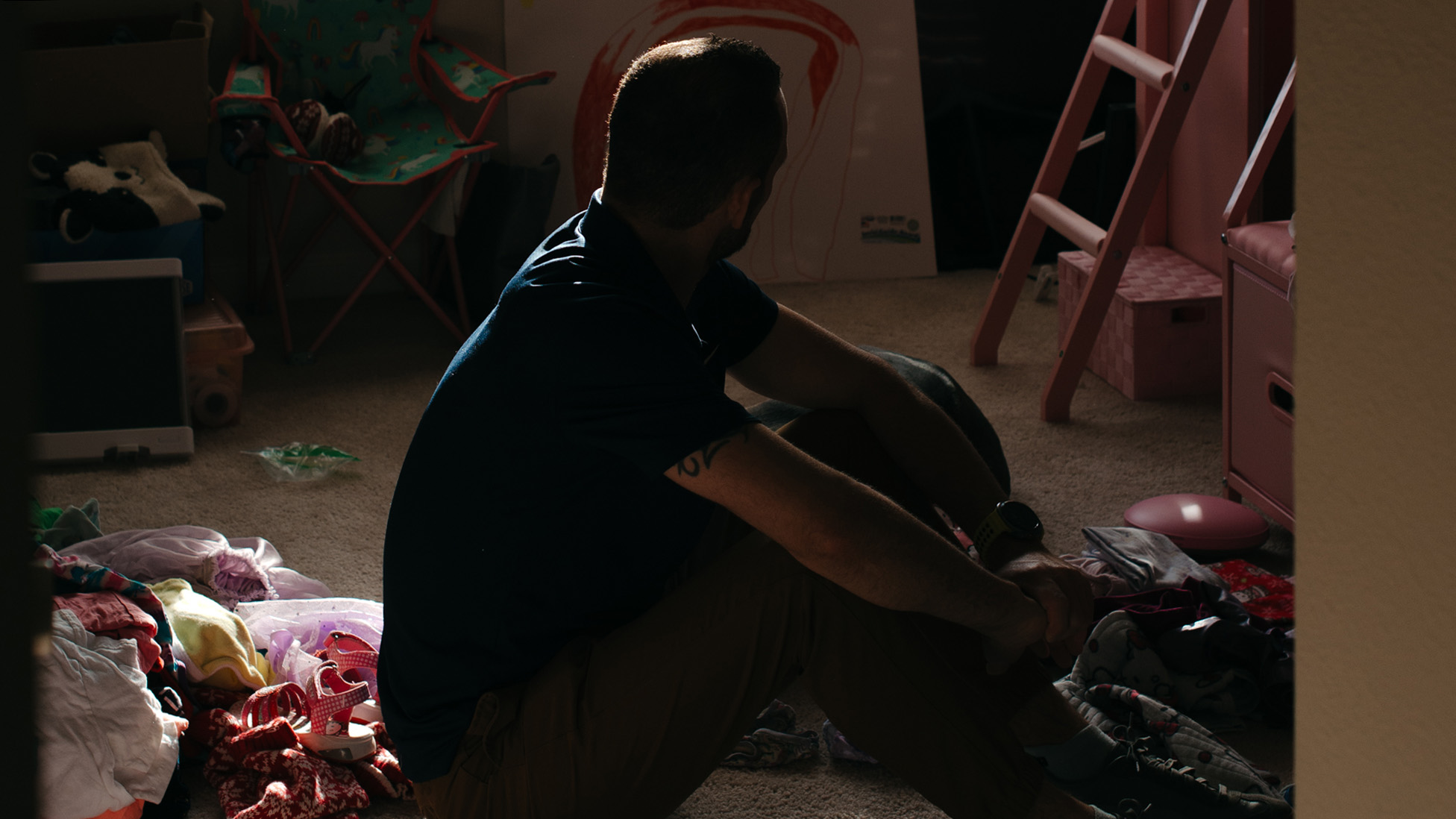
As Hurricane Helene tore through western North Carolina in September 2024, Devon found himself running from one side of his Asheville home to the other, listening to trees snap in the dark. Five of the 20 pine trees that fell took the porch and a corner of the house with them. Inside, his wife and five-year-old daughter hid in a closet, crying. Devon, an Iraq war veteran, was transported back to memories he'd spent years trying to bury. "For me, it was very triggering," he said. "I felt like I was in a war situation."
Devon - who asked to be identified only by his first name, as anonymity is a core component of 12-step programs - returned from the Middle East in 2006 with PTSD and a traumatic brain injury. That pushed him to numb himself with pills, then heroin, then a combination of heroin and cocaine. "I was so physically addicted," the 41-year-old said. "The sickness was unbearable. I couldn't imagine life without drugs." In Asheville, he slowly rebuilt: Narcotics Anonymous, therapy, a daughter born in 2020, a house in the woods. It felt like stability.
Then Helene leveled that stability along with the infrastructure. For people recovering from addiction, disasters don't just destroy homes - they shatter 12-step meetings, treatment programs, transportation, and the social networks essential to maintaining sobriety. When that scaffolding breaks, the risk of relapse and overdose spikes. Penn State sociologist Kristina Brant has studied the long-term impacts of floods and found "an increase in overdose deaths that persists for a decade after a flood." Grief and trauma, she notes, "are significant triggers that can derail recovery."
The threat is especially acute in Appalachia, a 13-state region where a long-running drug crisis has already devastated communities. Though overdose death rates have declined slightly alongside national trends, mortality for prime working-age people still exceeded the national average by 52 percent in 2023. In six western North Carolina counties including Buncombe, overdose mortality was over 36 per 100,000 residents as of 2022. Increasingly severe storms fueled by a warming world are compounding those vulnerabilities.
For Devon, the weeks and months after Helene unraveled years of careful construction. His 12-step group moved online for a couple of weeks; when in-person meetings resumed, he struggled to attend because he was too busy repairing his house. He stopped going to individual therapy. Financial worries replaced personal goals. "There was a huge interruption," he said. Online meetings are "not the same as being in person."
The Federal Emergency Management Agency gave his family an emergency stipend of $750. They'd already spent $20,000 on repairs. Even with insurance, they realized they'd have to refinance. By last summer, the strain was too much. Devon and his wife sold the house for $30,000 less than they'd hoped, filed for divorce, and Devon moved into a hotel. Between the divorce and the storm costs, he'd lost about $100,000. "I was suicidal," he said.
Researchers often observe a "honeymoon phase" after a disaster - a period of intense social cohesion. But months or years later, the pileup of trauma and loss complicates that cohesion. John Kennedy, a guitarist who distributes naloxone with his wife Cinnamon in Buncombe County, has watched the social fabric fray. The last music venue in Swannanoa closed after the storm; others have shuttered or stopped booking bands. One survey found small businesses across 23 counties lost an average of $322,000 during Helene. Kennedy worries that with fewer places to congregate, more people are using alone. "It's not what it was," he said, driving past closed venues where people once checked on each other.
The Good Times
News in your inbox.
One sardonic roundup, delivered on your schedule. Free. Unsubscribe whenever your tolerance for wit runs out.
Already subscribed but we never reach your inbox? Check your spam folder and hit 'Not spam' (or 'Remove from spam') to bust us out of junk-mail purgatory. You'll be helping everyone else too.
Don't open any of our emails for a month and you'll be automatically removed from the mailing list.
Rewrite Article
Select parts to regenerate with a fresh AI pass. Translations will be updated automatically.
Generate AI Image
Creates a sardonic version of the article image using OpenAI.