
The U.S. Forest Service, the federal agency tasked with protecting the nation's trees and the history surrounding them, is undergoing a major restructuring that conservationists warn could result in the loss of over a century of critical historical documents. Because nothing says "efficient forest management" like accidentally throwing out the entire historical record.
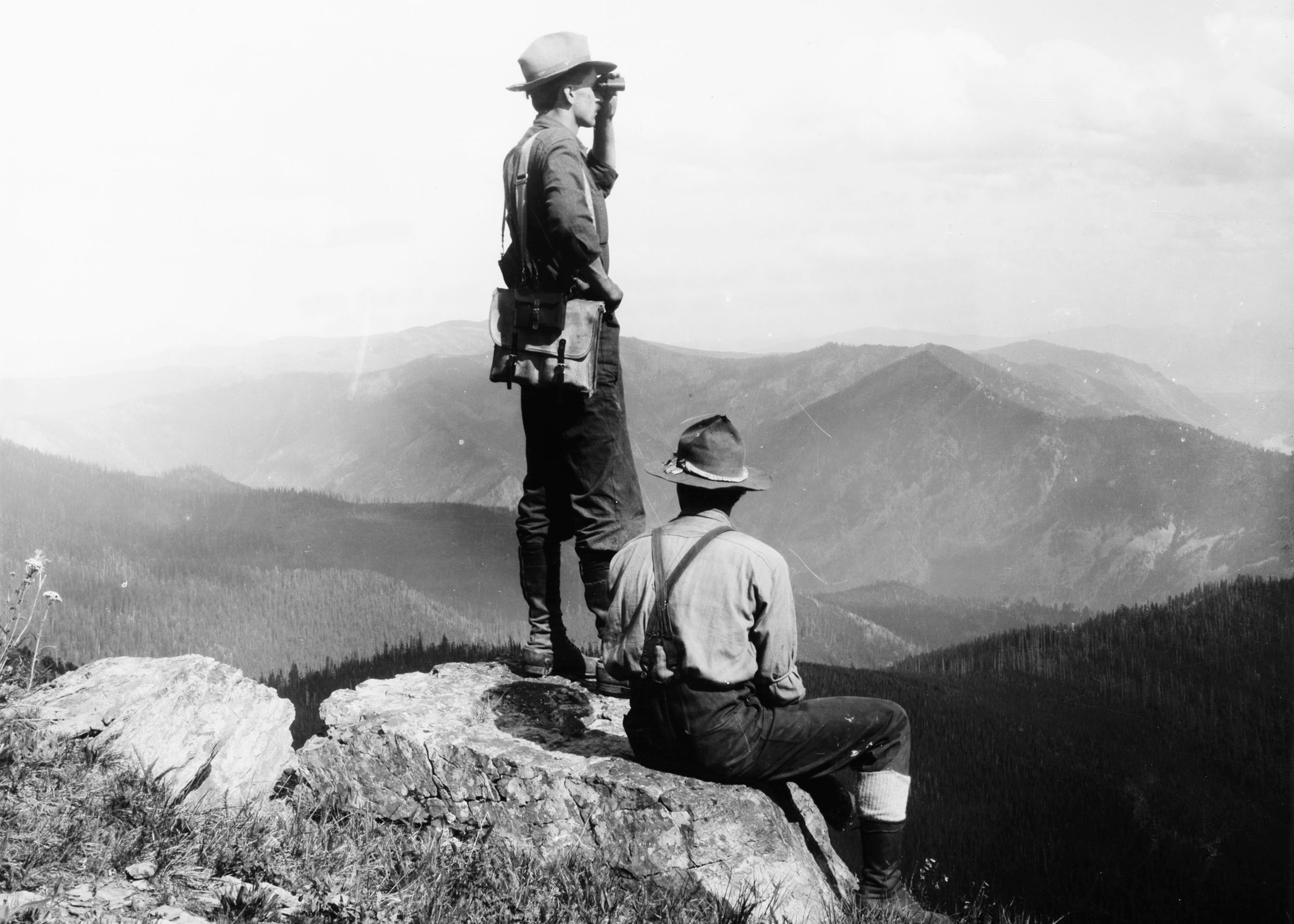
The U.S. Department of Agriculture's Forest Service announced at the end of March that it will close all 10 regional offices. Those offices, it turns out, house troves of archival documents - many of which are not digitized - chronicling 120 years of the agency's operations, plus historical documents going back to the 1800s. Included are photographs showing changes in forest landscapes, scientific research data, land management records, and samples of water and plants. So far, the agency has not made public its plans to keep that information safe, which is a bit like saying you're moving houses but haven't figured out what to do with the boxes yet.
"We have to have our heads on straight in order to address [climate change]," said Brian Nowicki, a senior public lands advocate at the Center for Biological Diversity. "We do that by having a strong historical record." On Thursday, the Center submitted a public records request to the USDA asking for details on the agency's plans to relocate archives, and for any records the agency refuses to submit to the National Archives before the offices are closed and the records are destroyed or inaccessible. The agency has 20 business days to respond, per federal law.
In an email to Inside Climate News, a USDA spokesperson said the Forest Service follows legally mandated standards to ensure public records are not lost or destroyed during organizational changes. "As offices transition or close, our protocol ensures public documents, from field photographs to hard-copy data, are preserved, accessible and protected under federal law," the spokesperson wrote. The agency added that it will retain the majority of its agency-owned regional facilities after closure, but did not respond to requests for a timeline and details of its plans to relocate or continue managing the archives.
Nowicki, however, has been speaking with staff within the Forest Service who told him they have no clarity on plans for the archives. He noted that relocating more than a century of archival material will be a huge job for an agency whose staff is already overextended - the Forest Service lost 16 percent of its workforce in the first year of the second Trump administration, according to an Inside Climate News analysis of data from the Office of Personnel Management. "It would take years for staff to be able to go through and correctly digitize and archive all of these materials," Nowicki said.
The agency has said its reorganization will be implemented over the coming year, including moving the Forest Service headquarters from Washington, D.C., to Salt Lake City, Utah and shifting more authority to the states. About 6,500 employees have received preliminary notifications that they could be impacted, such as changes to their role, supervisor or location. About 500 employees, mostly from Washington, will be relocated more than 50 miles from their current station. The USDA said these changes will help streamline forest management and boost timber production. Agriculture Secretary Brooke L. Rollins said in a statement: "Proper forest management means a healthy and productive forest system that provides affordable, quality lumber to build homes right here in America and it means preserving and protecting the beautiful landscapes we are blessed with across this great country."
Critics say the latest changes will cause further upheaval and disruption, hindering staff's ability to properly manage the nation's forests while wildfire threats grow. Eliminating swaths of Forest Service documents would fall in line with the administration's axing of data and historical records, said Rachel Santarsiero, director of the National Security Archive's Climate Change Transparency Project. Santarsiero recently published a comprehensive timeline of disappearing data from the start of the second Trump administration, including deletions of web pages and online tools, removal of data from federal websites, and the closure of NASA's largest research library. Climate information has been a central target, with the administration removing references to global warming from government documents and websites, ending federal tracking of high-cost climate disasters, and making big staff and funding cuts to agencies focused on environmental protection, weather, and disaster management. "The Trump administration is trying to rewrite our history," Santarsiero wrote. "Right now, long-term access to public information isn't a guarantee."
Nowicki emphasized that some records kept by the Forest Service can't be digitized, including samples of water or tree logs that detail histories of forest growth progression, fires, rainfall and more. Historical photographs dating back to the 1800s are critical for understanding patterns of forest fires, challenging assumptions about what historic forests looked like, and learning how the nation's forests have changed. Records kept by the Forest Service are invaluable for climate adaptation and resilience, Santarsiero said, because they detail wildfires, soils, ecosystems, biodiversity and more. "It's the way the public is able to access its own history," she said.