EPA's Anti-Pollution Rule Gets the Trump Treatment: From 'Wonderful Gift' to 'Death Sentence' in Under a Year
The Trump administration is gutting a landmark EPA rule that slashed toxic air pollution from petrochemical plants, turning a 'wonderful gift' into a 'death sentence' for Cancer Alley communities.
In April 2024, Tish Taylor and her father, Robert, stood behind EPA chief Michael Regan as he signed a regulation designed to slash toxic pollution from petrochemical plants along Louisiana's 'Cancer Alley.' Taylor called it 'a wonderful gift to generations ahead of us.' Fast forward to 2025, and the Trump administration has turned that gift into a lump of coal - granting two-year exemptions to over 50 facilities, then 20 more in July, and promising a rewrite this fall that will likely gut the rule entirely.
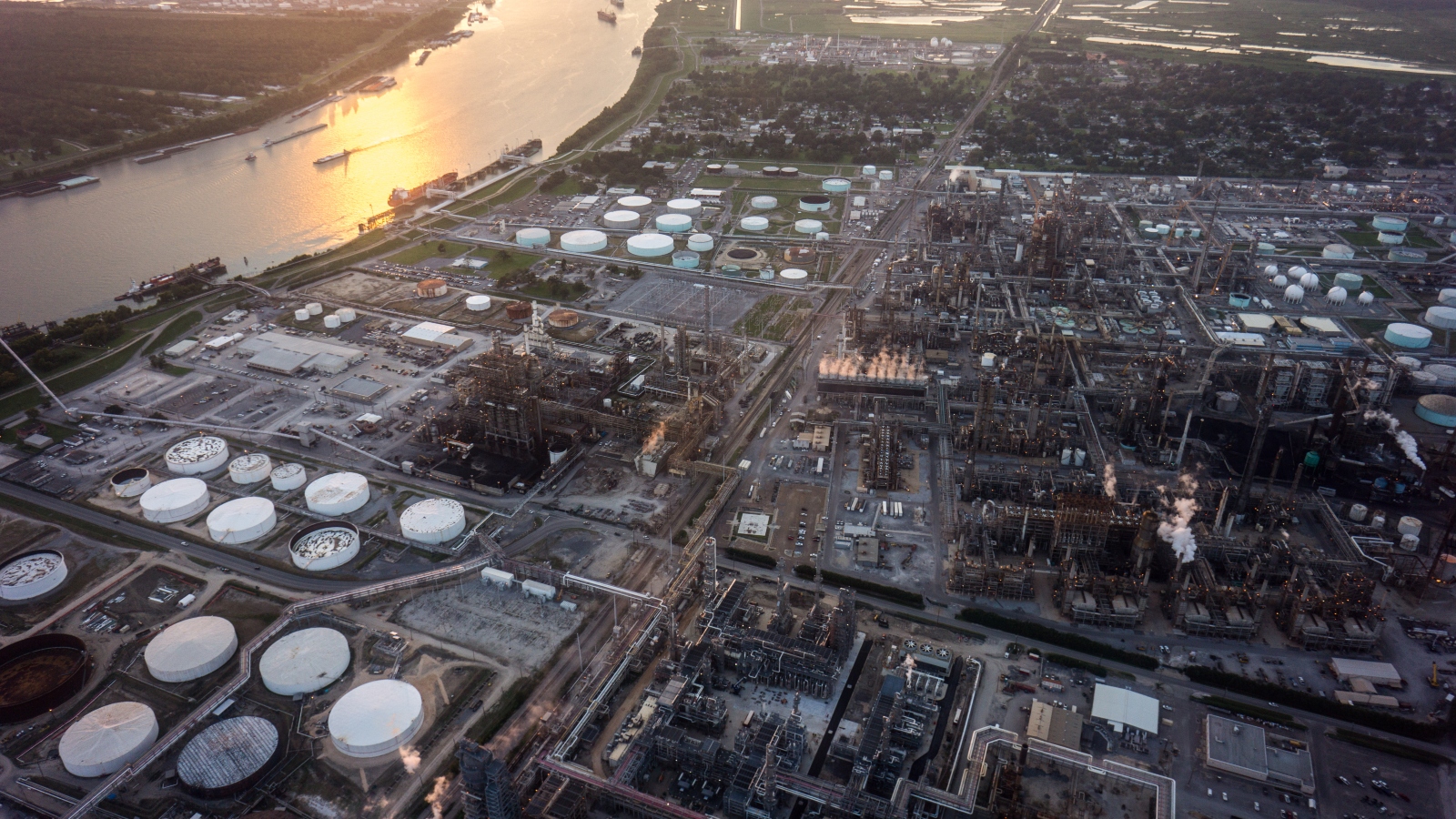
The rule, known as HON (Hazardous Organic National Emission Standards for Hazardous Air Pollutants), targeted six pollutants - including ethylene oxide, chloroprene, benzene, and vinyl chloride - at more than 200 plants. It required fenceline monitoring and closed a loophole that let plants pollute freely during startups and shutdowns, a 'massive impact' given climate change-fueled extreme weather, per Fenceline Watch's Shiv Srivastava.
The EPA estimated the rule would prevent 6,200 tons of toxic air pollution annually and cut ethylene oxide and chloroprene emissions by nearly 80%, reducing cancer risk by 96% in nearby communities. Nearly 60% of covered facilities are in Texas and Louisiana, with the rest scattered across states like Tennessee, Kentucky, West Virginia, Ohio, Illinois, and Alabama.
But Trump, invoking a Clean Air Act provision never before used - claiming 'national security interests' and unavailable technology - has offered no evidence for his claims. Environmental lawyers like Annie Fox of the Clean Air Council note the law requires specifics, 'not just state it.' A coalition including Concerned Citizens of St. John and RISE St. James has sued, calling the exemptions a 'pretext to relieve polluters.'
Stanford's Tracey Woodruff, a former EPA toxicologist, calls the pollutants 'the classic bad guys' - linked to breast cancer, liver cancer, leukemia, and reproductive problems. She says the administration's backtracking signals 'whatever the industry wants to do, that's what we want to do,' adding that policy changes 'will lead to people getting sicker and dying.'
Sharon Lavigne, founder of RISE St. James, still holds the pen Regan gave her at the signing. She vows, 'When he gets out of office, we're gonna fix it back.' Meanwhile, the EPA has also proposed weakening the Risk Management Program and removed an online data tool that gave communities information about nearby plants - leaving residents in the dark as accidents continue. Last year saw 131 reportable chemical releases. Srivastava warns of a potential 'Bhopal-scale' disaster, referencing the 1984 Union Carbide leak that killed thousands.
The HON rule was one of nine air toxics rules from the Biden administration, all now being rescinded or revised. The American Chemistry Council calls the rule 'overly stringent' and 'exceeds statutory authority,' while the EPA claims its proposals aim to 'protect American industry and supply chains.' But for communities already living with the highest cancer risk in the nation - St. John the Baptist Parish has nearly 50 times the national average - the unraveling feels less like policy and more like a death sentence.
The Good Times
News in your inbox.
One sardonic roundup, delivered on your schedule. Free. Unsubscribe whenever your tolerance for wit runs out.
Already subscribed but we never reach your inbox? Check your spam folder and hit 'Not spam' (or 'Remove from spam') to bust us out of junk-mail purgatory. You'll be helping everyone else too.
Don't open any of our emails for a month and you'll be automatically removed from the mailing list.
Rewrite Article
Select parts to regenerate with a fresh AI pass. Translations will be updated automatically.
Generate AI Image
Creates a sardonic version of the article image using OpenAI.