England Nearly Eliminates Hepatitis C, Proving That Sometimes the NHS Does the Thing
England is on track to be among the first to eliminate hepatitis C, having already treated 80% of known cases and cut deaths by 36% - proving the NHS can do great things when it's not being defunded.
England is on the verge of becoming one of the first countries on Earth to eliminate hepatitis C, a virus that attacks the liver with the subtlety of a sledgehammer. According to the latest figures, the NHS has already hit its target of treating 80% of known cases, and deaths from the virus have plummeted by 36% in the last decade - just shy of the 2030 goal.
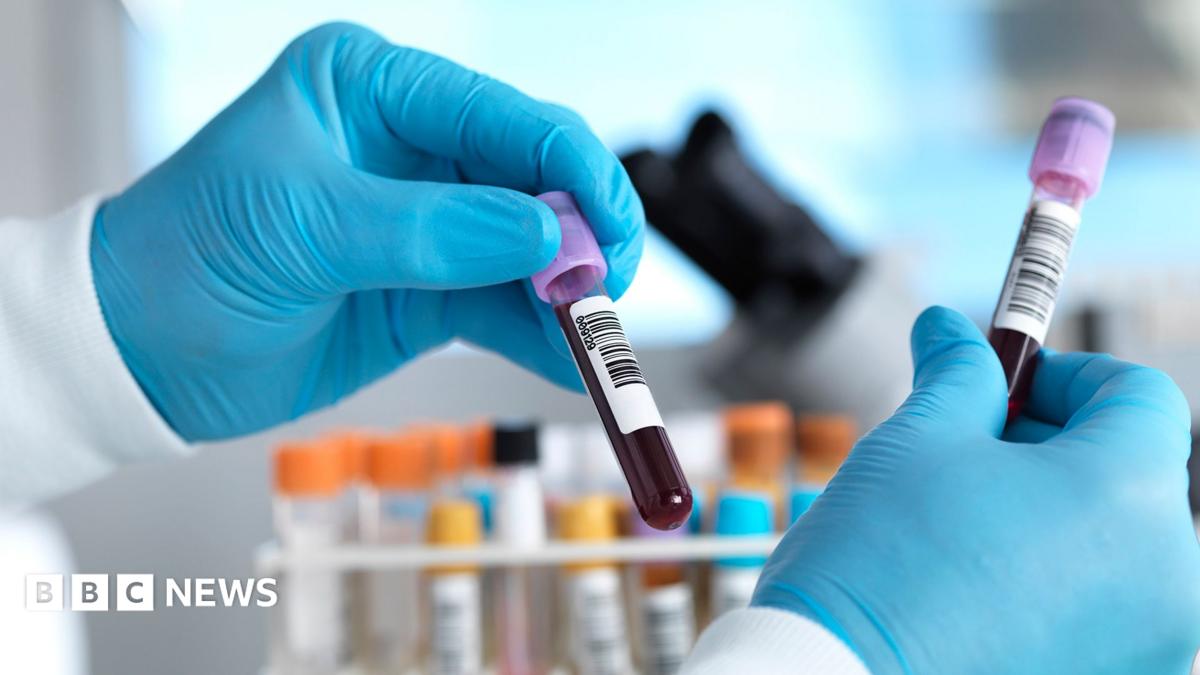
For those unfamiliar, hepatitis C is a silent killer, often showing no symptoms until it's already done significant damage to the liver. But here's the good news: a course of antiviral tablets lasting just 8 to 12 weeks can cure more than 95% of cases. The NHS has been playing detective with A&E blood tests, GP registration testing, and free at-home tests, ferreting out the undiagnosed masses.
Since 2015, over 100,000 people have been diagnosed and treated, which means England is already meeting that particular target. But the next milestone - a 65% reduction in hepatitis C-related mortality compared to 2015 levels - is still a work in progress, though it might be achieved before the 2030 deadline.
As of 2024, around 50,200 adults are living with hepatitis C in England, with estimates suggesting 84.6% of them have been diagnosed. That's close to the 90% target, but the NHS isn't resting on its laurels. The Hepatitis C Trust says England is "on the cusp" of one of the most significant public health achievements in the country's history. Prof Frankie Swords, NHS national medical director, couldn't contain her enthusiasm: "England is now leading the world in the mission to eliminate this disease and on course to beat the WHO's 2030 target, but we are determined to keep up the momentum and finish the job."
The NHS is also targeting specific groups, particularly adults born in Ukraine, Romania, Estonia, Latvia, Poland, Albania, Lithuania, Bulgaria, Czechia, or Slovakia, as some may have been infected through medical or dental procedures before 1991. They're urging people to order a free, confidential home-testing kit online - no awkward GP conversations required.
Take Paul Eatwell, a 65-year-old grandfather from Blackburn, Lancashire, who was diagnosed after a routine blood test. His reaction? "Are you sure? Surely there's been some mistake." He didn't feel ill, which is the sneaky nature of this virus. The cause of his infection remains a mystery, though surgery in South Africa decades ago is a suspect.
This progress is especially poignant given the dark history of the infected blood scandal, which from 1970 to 1991 infected over 30,000 people in the UK with HIV and hepatitis C through contaminated blood products. About 3,000 have since died, and a public inquiry found authorities covered up the scandal, exposing victims to unacceptable risks. So, while England is celebrating this near-victory, it's worth remembering the ghosts of the past. But for now, the NHS is on a roll, and we're all just here for the win.
The Good Times
News in your inbox.
One sardonic roundup, delivered on your schedule. Free. Unsubscribe whenever your tolerance for wit runs out.
Already subscribed but we never reach your inbox? Check your spam folder and hit 'Not spam' (or 'Remove from spam') to bust us out of junk-mail purgatory. You'll be helping everyone else too.
Don't open any of our emails for a month and you'll be automatically removed from the mailing list.
Rewrite Article
Select parts to regenerate with a fresh AI pass. Translations will be updated automatically.
Generate AI Image
Creates a sardonic version of the article image using OpenAI.