Debt in Great Yarmouth: So Bad You Won't Even Go to the Beach Anymore
Great Yarmouth has the third highest rate of debt support need in England and Wales, with residents like Shannon avoiding leaving home to avoid spending - so much for seaside living.
Shannon, a 27-year-old mother of one from Great Yarmouth, describes her debt as 'a weight on me constantly' and admits she'd rather not leave the house to avoid spending money and sinking deeper. She is far from alone: government figures show her town has the third highest rate of people needing debt support in England and Wales. In March 2026, 29.1% of people aged 16 to 65 in the Norfolk coastal town were on Universal Credit, compared with 18.4% for the county and 19.2% across England.
Shannon first borrowed money about 10 years ago for expensive boots required for her security guard job. She says she lacked life skills around money and budgeting that could have been taught at school or by family. 'There's always something that pops up,' she explains, especially her young son's extra needs, which she prioritises. She dreams of waking up debt-free and going to the beach without a care, but for now, she just gets on with it.
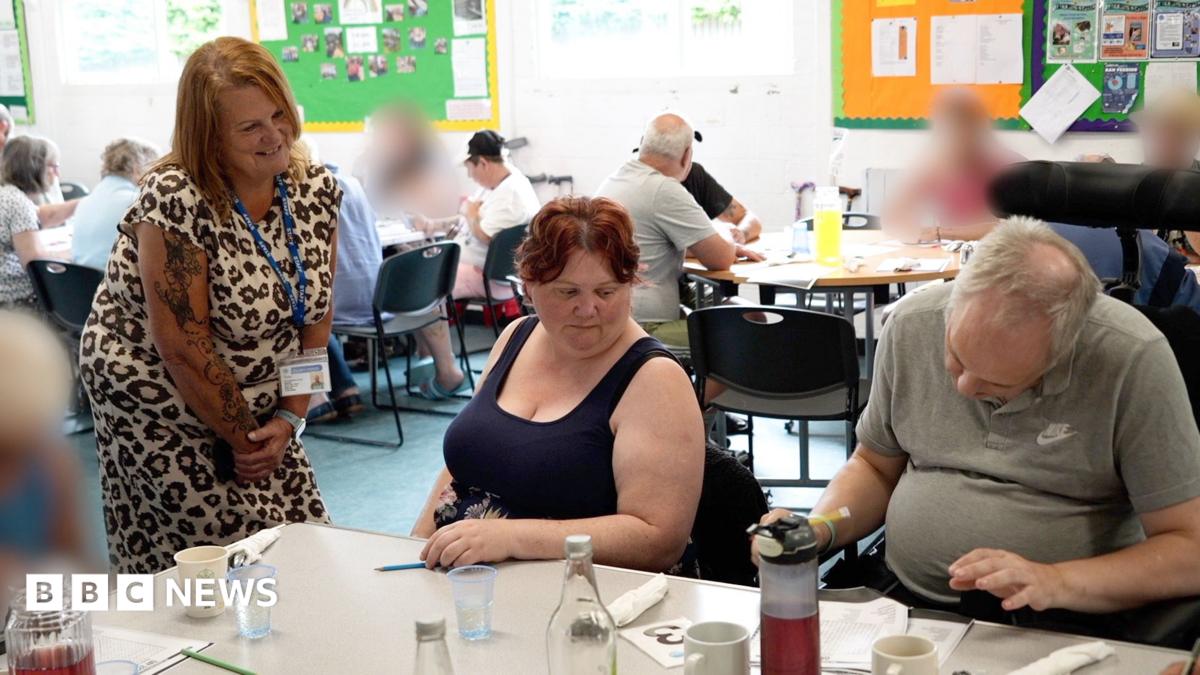
Help is available at St Mary Magdalene Church in neighbouring Gorleston-on-Sea, where debt adviser Teresa Tennant from the charity Dial offers support and free community lunches weekly. 'Every single person I talk to is struggling to make ends meet,' Tennant says, noting that sometimes people just need a chat to know their problems can be sorted. Among the volunteers is Cathy Grey, 46, who came to the food bank when her debt became 'too much' after stopping work to care for her husband with multiple sclerosis. She now urges others to seek help: 'Don't be frightened to hold your hand up.'
Nic Lambert pays for school trips, food, clothes, and train fares for her daughter's specialist cardiac care in London - costs she says would be covered by Disability Living Allowance, which she is waiting for. She finds it 'absolutely devastating' that her children miss out and calls for 'fundamental change' in the benefits system to protect children from poverty. 'If they came up with a better plan... not so many people would be in debt,' she says.
Anna Price, community lead at St Mary Magdalene, notes that many people get into crisis because they're isolated with no one to help them make sense of things. The church sits in an estate with high unemployment and 'economically inactive' residents, plus prevalent mental health issues, neurodivergence, and disabilities. She describes introducing a person in crisis to Tennant as 'like picking somebody off the floor.'
A Department for Work and Pensions spokesperson said its Connect to Work programme aims to support 4,000 people in Norfolk by 2029, adding: 'We're committed to moving from a welfare state to a working state.' They pledged to work with anyone with outstanding debt to find affordable repayment options, including free debt advice.
The Good Times
News in your inbox.
One sardonic roundup, delivered on your schedule. Free. Unsubscribe whenever your tolerance for wit runs out.
Already subscribed but we never reach your inbox? Check your spam folder and hit 'Not spam' (or 'Remove from spam') to bust us out of junk-mail purgatory. You'll be helping everyone else too.
Don't open any of our emails for a month and you'll be automatically removed from the mailing list.
Rewrite Article
Select parts to regenerate with a fresh AI pass. Translations will be updated automatically.
Generate AI Image
Creates a sardonic version of the article image using OpenAI.