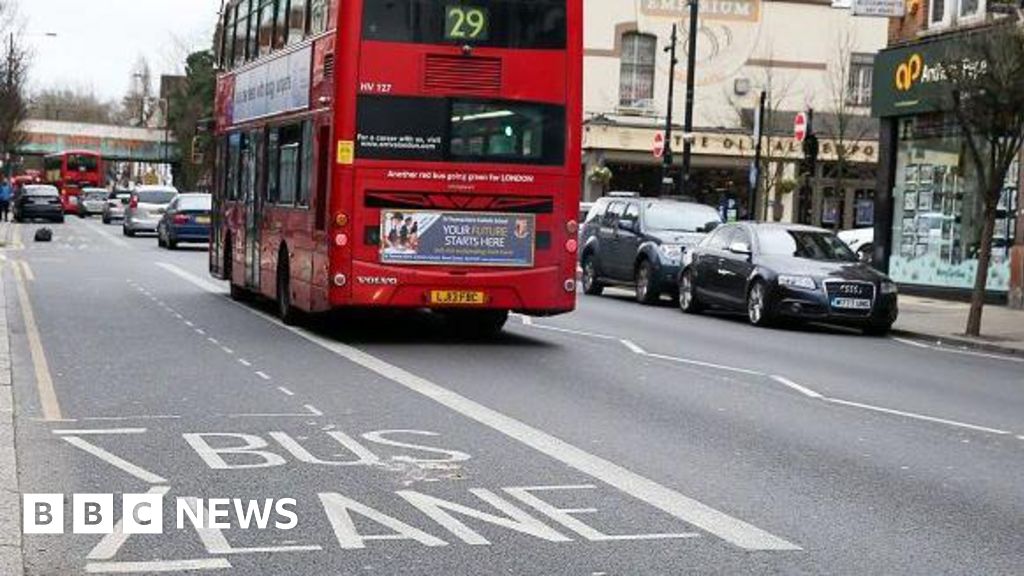
The Conservative Party has announced a bold new plan to fix Britain's roads: make bus lanes less useful. Specifically, they're promising to end 24-hour bus lanes in areas they control after May's local elections in England, as part of a six-point plan for drivers they've dubbed 'bus lanes that make sense.'
According to the party, councils under their control will only allow bus lanes if there's a 'genuine requirement' - a phrase that will surely be defined with the same precision as 'oven-ready' deals of yore. And if they return to national government, they'd go even further: no 24/7 bus lanes without a minister's explicit written permission, because nothing says 'cutting red tape' like requiring a government signature for a road marking.
A Conservative spokesperson explained the logic: 'Councils across the country have turned bus lanes into 24/7 enforcement traps. Conservatives will restore a common-sense approach to how road space is used.' Translation: Those dastardly bus lanes have been catching drivers doing the thing they're supposed to prevent - driving in bus lanes - and that's simply unacceptable.
Bus lanes, for those unfamiliar, are sections of road reserved for public buses and authorised vehicles like taxis. They're controlled by councils and either operate at specific times (indicated by blue signs) or 24/7. The coverage varies wildly across the UK - because why have consistent policy when you can have postcode lottery?
In 2021, Transport for London revealed that about 50 miles (85km) of bus lanes in the city would permanently operate 24/7. That same year, the Conservative-controlled West Northamptonshire Council scrapped a 24/7 bus lane and reduced its operating times. But, in a delightful display of inconsistency, the Conservative-run Norfolk County Council installed a 24/7 bus lane in 2021. So the policy is: we hate 24/7 bus lanes, except when we like them.
The bus lane pledge is just one part of the Conservatives' wider plan to 'restore common sense for car owners to get Britain moving again.' The full package includes reversing a fuel duty hike due in September, spending £100m on pothole repairs, ending blanket 20mph schemes, clearing the driving test backlog, and scrapping the 2030 ban on petrol and diesel cars. It's basically a greatest hits album of driver-friendly policies, with a few new remixes.
Labour, ever the opposition, pointed out that the Conservatives 'had left our roads riddled with potholes and the driving test system in chaos' during their previous 14-year stint in power. They countered by promising to freeze fuel duty, double investment in pothole fixes, approve new road projects, and increase driving test capacity.
The Liberal Democrats, meanwhile, blamed motorists' woes on 'Trump's illegal war in Iran' - a conflict that apparently exists in their alternative reality - and demanded an immediate 10p cut to fuel duty and slashing VAT for public electric car charging.
Reform UK accused Conservative leader Kemi Badenoch of copying their homework, particularly on reversing the planned 5p fuel duty rise. A Reform UK spokesperson noted, with impeccable logic: 'It's all very well announcing a policy to clear driving test backlogs when it was created under their government.'
And the Green Party of England and Wales had perhaps the most cutting response, comparing the plan to 'Jeremy Clarkson's wildest dream' and warning it would be 'a living nightmare' for most communities. 'If recent events have taught us anything,' a Green spokesperson said, 'it's that we need to stop forcing people to drive just to get around in their daily lives.'
In other words, the Conservatives want to make bus lanes make sense - which, depending on your perspective, either means making them work for buses or making them work for everyone else. The election will decide which definition wins.
The Good Times
News in your inbox.
One sardonic roundup, delivered on your schedule. Free. Unsubscribe whenever your tolerance for wit runs out.
Already subscribed but we never reach your inbox? Check your spam folder and hit 'Not spam' (or 'Remove from spam') to bust us out of junk-mail purgatory. You'll be helping everyone else too.
Don't open any of our emails for a month and you'll be automatically removed from the mailing list.
Rewrite Article
Select parts to regenerate with a fresh AI pass. Translations will be updated automatically.
Generate AI Image
Creates a sardonic version of the article image using OpenAI.