Coal Miners' Lungs Getting Blacker as Federal Protections Get Stalled
Justin Smarsh is dying of black lung at 42, just as the federal government delays the very rule that might save the next generation of miners from the same fate.
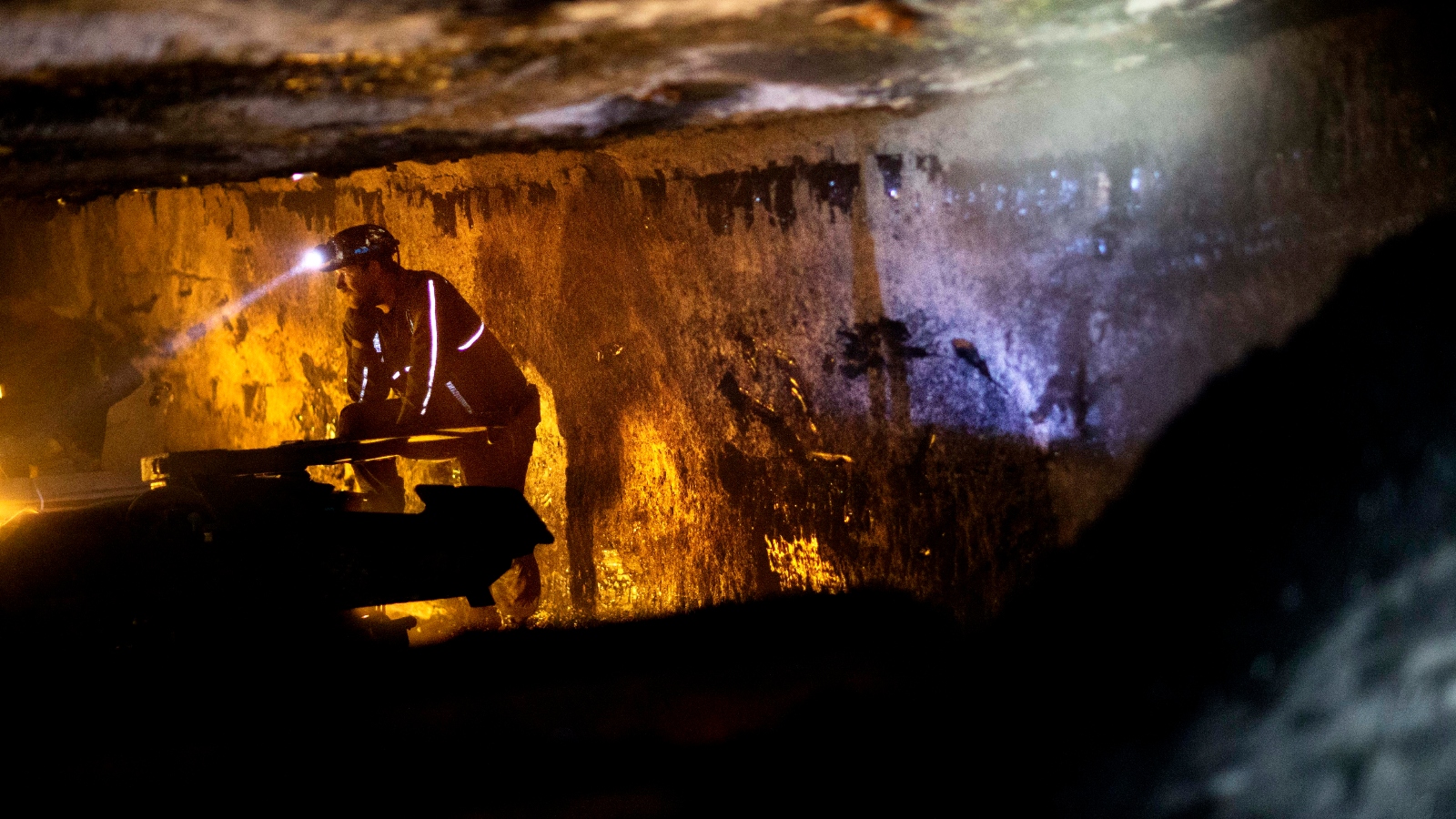
Justin Smarsh used to kayak and hunt near his home in Cherry Tree, Pennsylvania. Now, at 42, he gets "suffocated just walking" and loses his breath tying his shoes. That's progressive massive fibrosis - the nastiest form of black lung - and his doctors say he won't see 50. There's no cure, just "piles of meds" and a slow march toward heart failure or drowning in your own lung fluid when you catch a cold. Charming.
Smarsh went into the mines right after high school, same as his dad and granddad, because it was "the best-paying job around." It still is. But here's the twist: today's miners aren't just breathing coal dust. The easy coal seams are gone, so they're cutting through rock loaded with quartz, which gets pulverized into crystalline silica. Inhale that stuff, and it's like swallowing microscopic shards of glass that scar your lungs into useless black tissue. NIOSH figures one in 10 miners with at least 25 years underground now has the severe form. Between 2013 and 2017, three Virginia clinics alone identified hundreds of cases, prompting NIOSH to declare a renewed epidemic. Black-lung deaths, which had been declining, started rising again between 2020 and 2023.
You'd think this would be a moment for swift regulatory action. You'd be wrong. The Trump administration is all-in on coal - $625 million in Energy Department investments, an executive order calling it essential to national security - but it's simultaneously slamming the brakes on a rule that would actually protect miners from silica. The rule, years in the making, would cut the permissible silica exposure limit from 100 micrograms per cubic meter to 50, with enforcement originally set for April 2025. The mining industry fought it, arguing that if ventilation can't do the job, miners should just wear respirators. Never mind that silica particles are so tiny they slip right through. "It's not the dust you see that gets you," Smarsh noted. "It's the little stuff you don't see."
Days before enforcement was supposed to kick in, the 8th U.S. Circuit Court of Appeals granted an emergency stay, and MSHA itself delayed implementation. Then MSHA asked the court to hit pause while it "reconsiders" parts of the rule. Earlier this month, the agency announced the delay would continue "indefinitely" pending judicial review. Meanwhile, MSHA's enforcement staff has been cut in half over the last decade, and the Trump administration's buyouts and hiring freezes have only made things worse. Ninety newly hired mine inspectors had their job offers rescinded.
Black lung clinics are seeing patients getting sick in their 30s and 40s - much younger than previous generations. Smarsh's father and grandfather were miners and never got black lung. "So, I thought, 'Who says I'm going to?'" he said. Now his 19-year-old son wants to go into the mines. Smarsh and his wife keep telling him: look at what I'm going through. The good coal is gone. There's nothing but rock and silica - and a system that seems perfectly happy to let miners breathe it.
The Good Times
News in your inbox.
One sardonic roundup, delivered on your schedule. Free. Unsubscribe whenever your tolerance for wit runs out.
Already subscribed but we never reach your inbox? Check your spam folder and hit 'Not spam' (or 'Remove from spam') to bust us out of junk-mail purgatory. You'll be helping everyone else too.
Don't open any of our emails for a month and you'll be automatically removed from the mailing list.
Rewrite Article
Select parts to regenerate with a fresh AI pass. Translations will be updated automatically.
Generate AI Image
Creates a sardonic version of the article image using OpenAI.