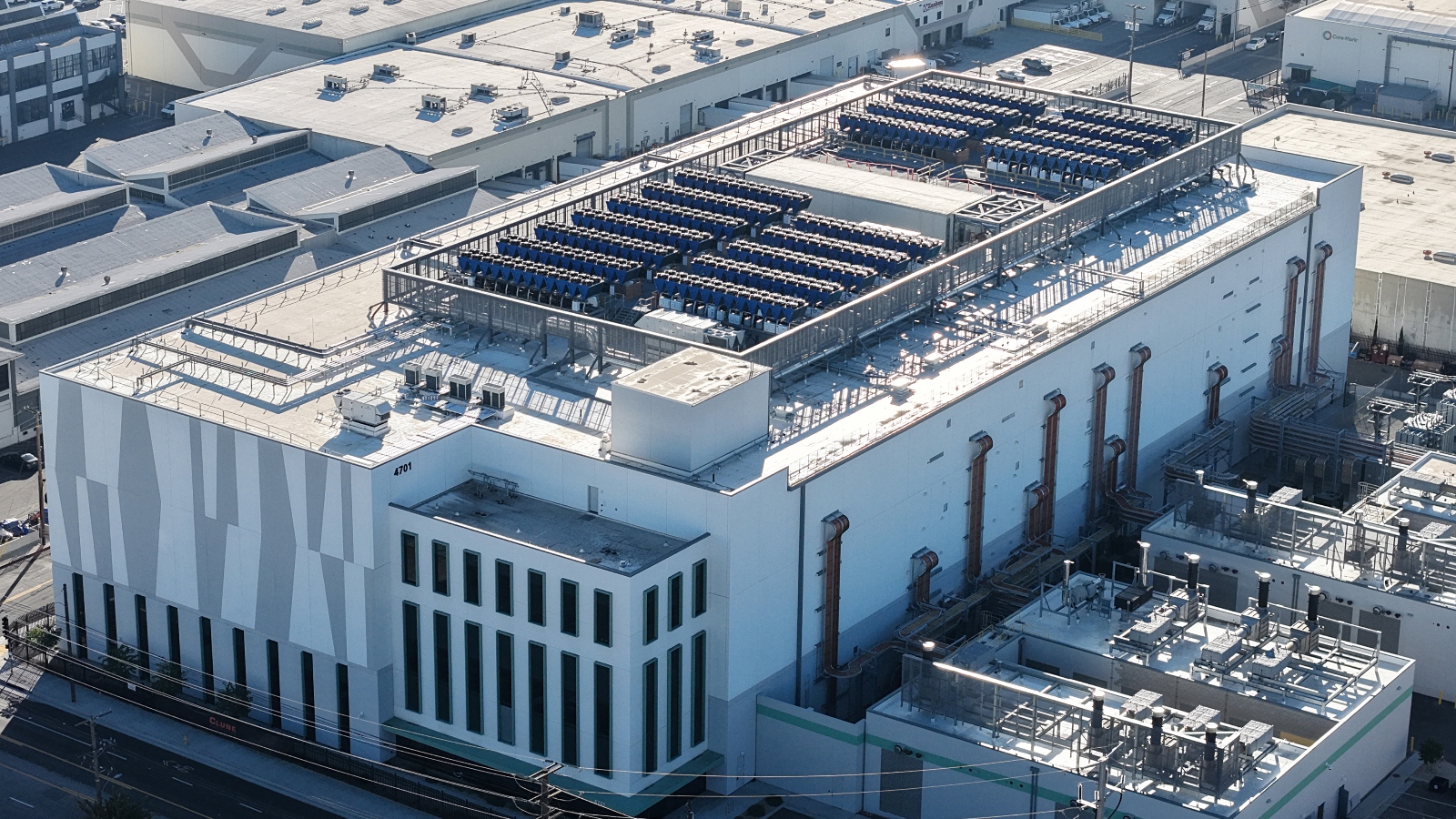
Chevron Asks Texas for a School District Tax Break to Build a Gas Plant for Microsoft's Data Center, Because of Course
Chevron wants a $227 million tax break from Texas schools to build a gas plant for Microsoft's data center, because nothing says 'good neighbor' like asking for a handout while emitting more CO2 than Jamaica.
Chevron, the company known for extracting fossil fuels and occasionally pretending to care about the environment, has decided to ask Texas for a tax break worth hundreds of millions of dollars. The massive gas plant it wants to build won't power anyone's homes, though - it's for a data center that Microsoft might eventually rent.
A Chevron subsidiary called Energy Forge One filed an application with the State Comptroller’s board to get a tax abatement under Texas' Jobs, Energy, Technology, and Innovation (JETI) Act. In late January, the comptroller's office recommended approval - a first for a power plant dedicated solely to data center use. The Pecos-Barstow-Toyah school board approved the application in February, but don't worry: the state pays for the abatement, so the school district doesn't lose money. It just loses the potential tax revenue, which is fine, probably.
Chevron says the tax incentives apply only to the power plant, not any future data center. There's no definitive agreement with Microsoft yet, but the two are in an “exclusivity agreement” with an investment fund called Engine 1. Microsoft, which in January pledged to be a “good neighbor” and pay its “fair share” of local property taxes, didn't comment on whether that pledge applies to projects built by other companies to serve its data centers.
The potential savings for Chevron could top $227 million over 10 years, depending on the project's size. The plant will create “over 25 permanent, full-time jobs” - though there's no requirement to actually employ that many people because it's an electricity generation facility. The gas plant won't connect to the grid; it will provide “electricity for direct consumption by a data center,” a trend that's growing as developers face yearslong waits to hook up to the grid.
These behind-the-meter gas plants are popping up all over. According to Global Energy Monitor, the U.S. has nearly 100 gigawatts of gas-fired power in development just for data centers. A Wired analysis of a handful of these plants, including Chevron's, found they could emit more greenhouse gases than many small countries. The Energy Forge plant alone could emit over 11.5 million tons of CO2 equivalent annually - more than Jamaica emitted in 2024. Chevron says it will comply with all applicable environmental regulations, which is reassuring if you think those regulations are adequate.
West Texas is a fossil fuel hub, making it a hot spot for data centers and behind-the-meter gas. But Chevron's application notes that without tax incentives, other sites across the U.S. would be “more attractive locations.” Nathan Jensen, a University of Texas at Austin professor, says such claims are routine and notes that while the JETI program improved oversight, the guardrails for this project are still relatively low.
This isn't the only tax break the plant could get. County documents show it may also qualify for a local incentive exempting property from taxes for up to a decade. A report from Good Jobs First found that at least three states, including Texas, lose over $1 billion each year from data center sales tax abatements.
Texas politicians, including Republican lieutenant governor Dan Patrick, are starting to worry about all this. In March, Patrick ordered a study of the sales tax exemption, which could cost $3 billion by 2029. Microsoft's January pledge to “add to the tax base” doesn't explicitly mention tax abatements, which Greg LeRoy of Good Jobs First notes means the company can still claim it's being neighborly while taking tax breaks.
Tax breaks for data centers are hard to track; 14 states don't disclose how much revenue they lose. There are no other behind-the-meter power plants in the JETI pipeline currently, and data centers are specifically excluded from the program. Jane Flegal, a climate official under Biden, suggests restructuring tax abatements to force data center builders to connect to the grid and investing in clean energy instead. “We should tax the shit out of these people,” she says. “Alas, that is not where we are.”
The Good Times
News in your inbox.
One sardonic roundup, delivered on your schedule. Free. Unsubscribe whenever your tolerance for wit runs out.
Already subscribed but we never reach your inbox? Check your spam folder and hit 'Not spam' (or 'Remove from spam') to bust us out of junk-mail purgatory. You'll be helping everyone else too.
Don't open any of our emails for a month and you'll be automatically removed from the mailing list.
Rewrite Article
Select parts to regenerate with a fresh AI pass. Translations will be updated automatically.
Generate AI Image
Creates a sardonic version of the article image using OpenAI.