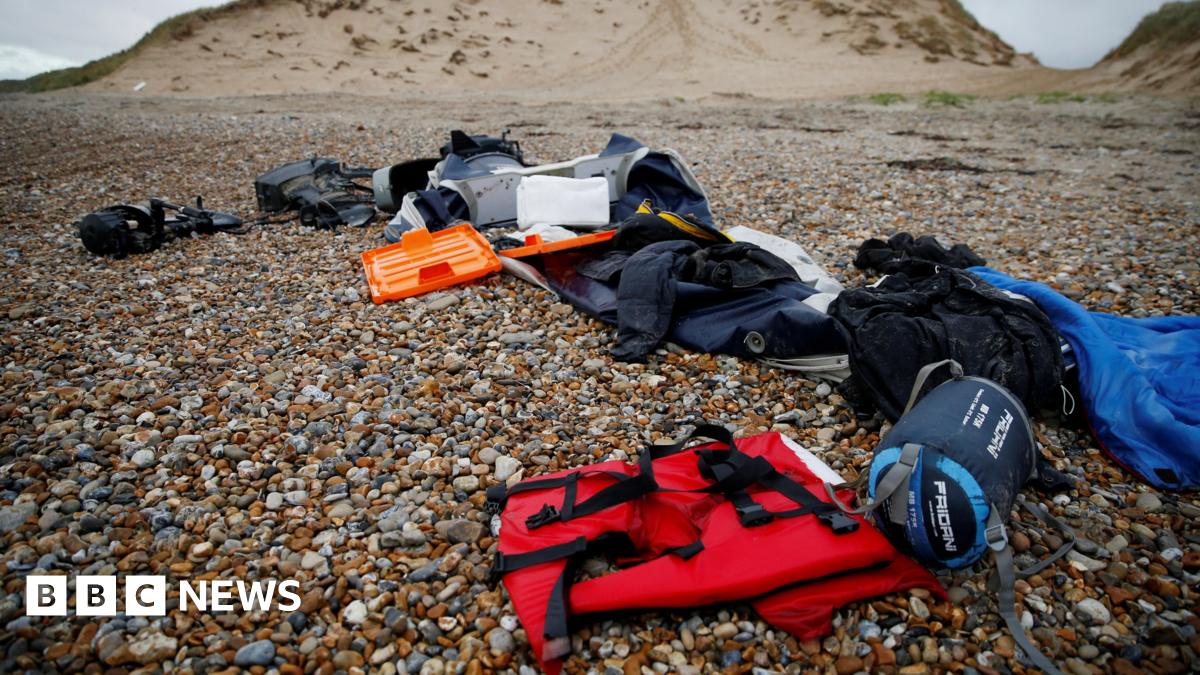
Fourteen alleged people smugglers are now in a Paris courtroom, facing charges related to what can only be described as the Channel's most disastrous dinghy voyage. In November 2021, at least 30 men, women, and children drowned when their motorised rubber boat gave up the ghost halfway between France and the UK - a journey that was, predictably, ill-advised and ill-equipped.
The defendants, mostly Afghan nationals, are accused of manslaughter and facilitating illegal immigration as part of an organised criminal group. Most deny the charges, with two alleged ringleaders opting to skip the trial entirely and are being tried in absentia - because nothing says 'innocent' like fleeing the country.
The boat departed the French coast on the evening of 23 November 2021, but encountered difficulties mid-Channel. Occupants, in a desperate attempt to lighten the load, entered the water one by one, only to succumb to the cold. Only two survived - a grim reminder that the Channel is not a swimming pool.
The charge sheet describes the vessel as 'a small boat of poor quality, unfit to navigate at sea, overloaded and equipped with inadequate life-jackets.' Twenty-seven bodies were recovered, and four more are presumed dead. The victims included Iraqi Kurds, Somalis, Ethiopians, Egyptians, and Afghans, with the youngest named victim just seven years old.
Family members have travelled to Paris for the trial, which is expected to last three weeks. Emmanuel Daoud, a lawyer for many families, didn't mince words: 'Once again [the smugglers displayed] total cynicism. Migrants are not sailors. The smugglers know perfectly well what they are doing. They take the deliberate, conscious risk of sending migrants to their deaths.'
The defendants are accused of organising the journey - lodging and transporting migrants, supplying the boat, and handling the money. Some claim they were merely migrants themselves, acting under orders from the real masterminds. A classic defense: 'The dog ate my homework, and also, I was just following instructions.'
The disaster sparked inquiries on both sides of the Channel. Questions have been raised about why British and French rescue services failed to save the drowning, despite repeated distress calls. In France, seven military personnel face possible charges of failing to assist persons in danger. In the UK, an inquiry found that HM Coastguard in Dover had limited capacity due to chronic staff shortages, and a surveillance aircraft was grounded by poor weather. It also revealed a widely held belief that migrants exaggerate distress, leading to a tragic underestimation of the emergency.
The inquiry concluded that at least 30 deaths were avoidable. Because, as it turns out, ignoring distress calls is not a great policy.
The Good Times
News in your inbox.
One sardonic roundup, delivered on your schedule. Free. Unsubscribe whenever your tolerance for wit runs out.
Already subscribed but we never reach your inbox? Check your spam folder and hit 'Not spam' (or 'Remove from spam') to bust us out of junk-mail purgatory. You'll be helping everyone else too.
Don't open any of our emails for a month and you'll be automatically removed from the mailing list.
Rewrite Article
Select parts to regenerate with a fresh AI pass. Translations will be updated automatically.
Generate AI Image
Creates a sardonic version of the article image using OpenAI.