World Happiness Report Drops Yet Another Hint That Maybe We Should Put the Phone Down
Oxford study confirms scrolling your life away makes you feel worse, especially if you're a young woman in the West. Time to put the 'social' back in social media, says researcher.
We all know the feeling of doom-scrolling, the mindless numbing of the brain. But it turns out that feeling has a name - and a peer-reviewed study to back it up.
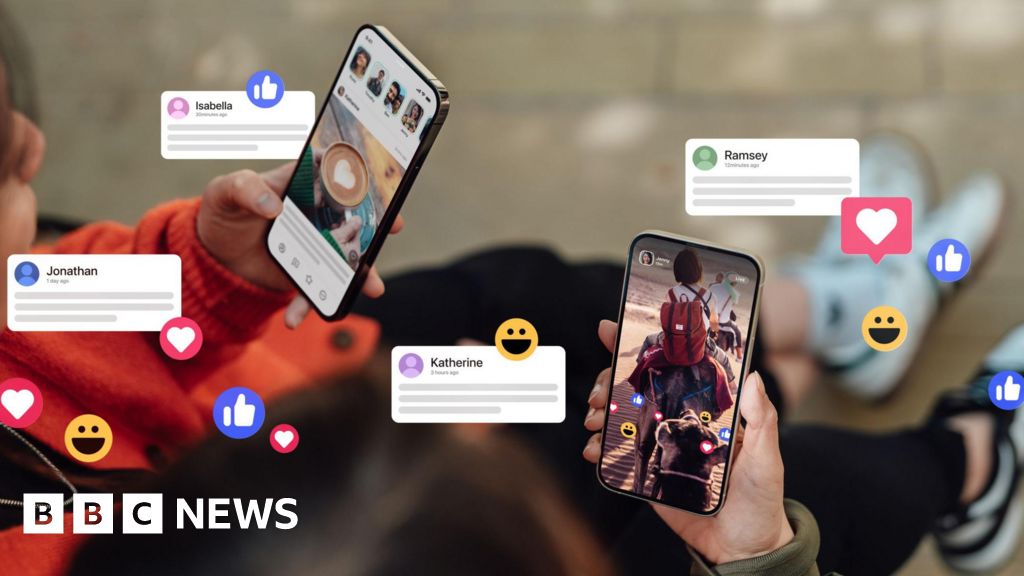
The World Happiness Report, published by the Wellbeing Research Centre at the University of Oxford, has confirmed what your tired thumbs already suspected: excessive social media use negatively impacts wellbeing, especially for girls in the Western World.
"If you use social media for an hour a day, that's great, you're being connected," says Michael Plant, Research Fellow at the Wellbeing Research Centre, in what sounds like a generous interpretation of a timeline full of ads and hot takes. "But the report did show a correlation between, the more time you spend on social media the greater loss of wellbeing."
The report doesn't know why the Western world is more impacted, but it did find that under-25s wellbeing in the United States, Canada, Australia, and the UK has dropped dramatically over the past decade - coincidentally, the same period when social media grew from a fun distraction into an omnipresent digital god.
Plant admits he was "originally skeptical about the negativity on social media" but that "the evidence is mounting up." He notes that young people today aren't smoking, taking drugs, or having lots of sex like his generation did - they just have social media. And the platforms, he adds, "are designed to maintain engagement," which is a polite way of saying they're engineered to keep you staring at a screen until your neck hurts.
Sydney Grows, a fitness content creator who "fell into the role" after posting TikToks since 2021, calls it "a dream." She promotes authenticity with gym interactions and sporting events, actively trying to be a positive space. But she also knows the downside: "I tend to block out the negative comments; I've had four years worth of practice to build the resilience. But you know, you'll get 100 positive comments and it doesn't sink in but then you get one negative comment and it feels personal and it hurts."
Like Pandora's box, social media has been released and is here to stay - no returning it for a refund. Plant's advice? "It's about being realistic and looking at yourself - the platforms won't stop you and the government, if you're an adult, won't put restrictions in place so it's down to you." He suggests that if you find yourself thinking "I am looking at other people and their life seems better than mine," you're going to feel worse. His solution: "Go 'I will go out and try to talk to people more.' Overall the aim is to put the social back into social media."
So the takeaway is simple: the algorithm doesn't care about your mental health, but you can. And maybe, just maybe, it's time to go touch some grass.
The Good Times
News in your inbox.
One sardonic roundup, delivered on your schedule. Free. Unsubscribe whenever your tolerance for wit runs out.
Already subscribed but we never reach your inbox? Check your spam folder and hit 'Not spam' (or 'Remove from spam') to bust us out of junk-mail purgatory. You'll be helping everyone else too.
Don't open any of our emails for a month and you'll be automatically removed from the mailing list.
Rewrite Article
Select parts to regenerate with a fresh AI pass. Translations will be updated automatically.
Generate AI Image
Creates a sardonic version of the article image using OpenAI.