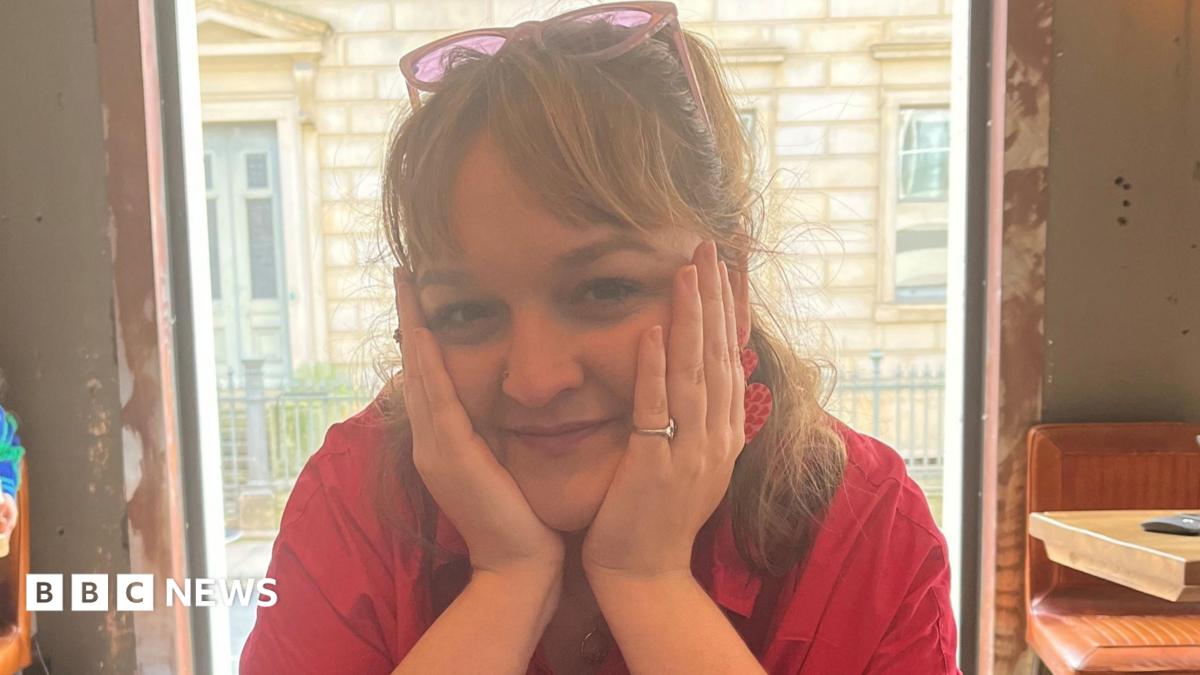
Woman's Endometriosis Left Her Disabled After Doctors Spent 17 Years Not Noticing
Daneka Etchells spent 17 years being told her debilitating pain was fine - now she's permanently disabled and starring in a play about the same problem.
Daneka Etchells got her first period at age 12 and immediately sensed something was off. While her friends dealt with normal cramps, hers were more of a "call an exorcist" situation - excruciating pain and extremely heavy bleeding. She went to the doctor, got prescribed the pill, and... nothing. After multiple GP visits yielded no real solution, her condition worsened to the point of permanent physical disability.
Etchells told the BBC Access All podcast that what she'd experienced over 17 years was "medical gaslighting" - the charming practice where medical professionals dismiss your concerns until you start doubting your own pain. The culprit was endometriosis, a condition affecting one in 10 women, but by the time doctors found it, it had grown so vast and wide on nerves and ligaments attached to her legs that it left her with permanent nerve damage. Surgery removed the lesions, but the disability remains.
Now Etchells is performing in a new stage adaptation of The Secret Garden, which she says mirrors her experience of being medically ignored. The disabled-led production reworks the 115-year-old classic so that Colin, the hidden-away disabled cousin, advocates for himself and is actually listened to - unlike the original where he's miraculously cured and runs around. Playwright Tom Wentworth, who is queer and disabled, rewrote the ending because his own reality involved long stints in bed and doctors blaming his cerebral palsy for everything.
Etchells's breakthrough came when she saw a female GP who referred her to a gynaecologist. Average diagnosis time for endometriosis is nine years; for Etchells, who is neurodivergent, it was 17. By then, the damage was done. The last straw came during a performance at Shakespeare's Globe - a dream gig for most actors - when she realized work had become impossible. She was using a walking stick constantly, could barely climb stairs, and felt trapped in her own body with bladder and bowel problems so severe she couldn't leave the house for months.
Unable to wait for NHS treatment, she saved, borrowed, and raised money on GoFundMe for private excision surgery, even negotiating with the surgeon's secretary for a better deal. The surgery made her feel "lighter," but the permanent mobility issues remain. She's back on stage now, using a mobility aid and in constant pain.
Healthwatch England's interim director of policy, William Pett, says what Etchells and Wentworth experienced is "unfortunately" common for conditions like ADHD and endometriosis, especially among young people, women, and LGBTQ individuals. The organization has called for NHS complaints system reforms, while the NHS recently rolled out Martha's Law for rapid reviews when conditions deteriorate. A Department of Health and Social Care spokesperson said their Women's Health Strategy recognizes medical gaslighting as a real barrier, and their 10-year Health Plan aims to put patient voice at the heart of NHS reforms.
Etchells now feels "lucky" to be under a dedicated endometriosis team. On days when she can't take strong pain medication due to work, she copes by doing what doctors did to her for 17 years: "I medically gaslight myself to get through the day."
The Good Times
News in your inbox.
One sardonic roundup, delivered on your schedule. Free. Unsubscribe whenever your tolerance for wit runs out.
Already subscribed but we never reach your inbox? Check your spam folder and hit 'Not spam' (or 'Remove from spam') to bust us out of junk-mail purgatory. You'll be helping everyone else too.
Don't open any of our emails for a month and you'll be automatically removed from the mailing list.
Rewrite Article
Select parts to regenerate with a fresh AI pass. Translations will be updated automatically.
Generate AI Image
Creates a sardonic version of the article image using OpenAI.