Western U.S. Water Crisis: The Summer Sequel Nobody Asked For
The American West's water crises are hitting a new level of absurdity: record-low snowpack, a 1922 compact on life support, and Texas's eighth-largest city inching toward Day Zero while Exxon keeps the sprinklers on.
Two water crises, juiced up by climate change and industrial overuse, are converging in the American West this summer - and experts say other regions should start taking notes before they star in their own drought drama. In Texas, Corpus Christi is staring down a Level 1 drought emergency by September, with projections suggesting the city's municipal water could run dry by next year if rain doesn't show up. Meanwhile, the Colorado River - which provides water for 40 million people across seven states - is dealing with record-low snowpack, a 1922 water compact that's aging about as well as a flip phone, and the very real possibility that upper-basin states might fail to deliver promised water for the first time ever, triggering a lawsuit that would make a reality show look tame.
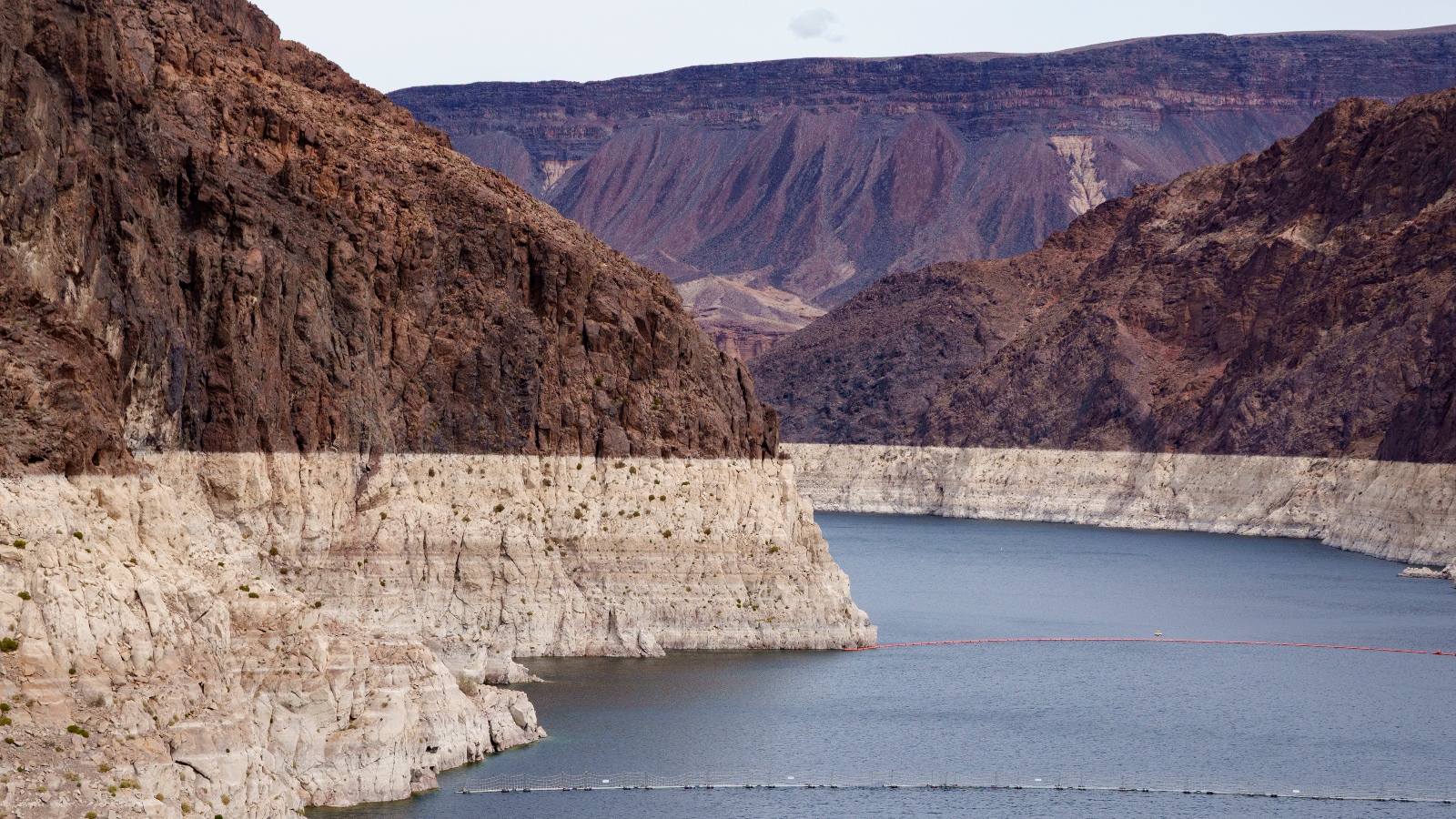
This mess has been a long time coming. February saw record-low snowpack across Western mountain ranges, and March was even hotter - "unprecedented and stunning and disturbing and out of this world," according to Brad Udall, a senior water and climate researcher at Colorado State University's Colorado Water Center. That crummy snowpack went from "crummy to god-awful in three weeks," he added. The early snowmelt has reduced river flow in parts of the Colorado to a trickle, threatening hydropower for over 25 million people at Lake Powell and Lake Mead. Lake Mead is currently sitting just 17 feet above its record low, set in July 2022.
The Colorado River's woes are compounded by a political crisis that's been festering for decades. States have missed key deadlines - including one in February - to renegotiate the 1922 Colorado River Compact, which divides water between an upper basin and a lower basin. The biggest water hog? Alfalfa for cattle feed, which uses more water than all cities on the river combined. Earlier this month, the U.S. Interior Department stepped in with actions to keep hydropower at Lake Powell running, though that could reduce water availability downstream. Udall warned that upper-basin states could fail to deliver enough water to the lower basin, violating the compact for the first time and sparking interstate litigation.
Down in Corpus Christi, the eighth-largest city in Texas, residents are already under water restrictions - limits on lawn watering and car washing - with residential bills up nearly $5 this month. The city's two main reservoirs, Choke Canyon Reservoir and Lake Corpus Christi, are at 7.4% and 8.7% capacity, respectively. Industrial water use is a major culprit: a joint Exxon Mobil and Saudi Basic Industries Corporation plastics plant uses an average of 13.5 million gallons daily, compared to the average residential customer's 6,000 gallons per month. (Exxon Mobil did not return a request for comment.) Plans for a desalination plant collapsed after costs ballooned past $1 billion, and Texas Governor Greg Abbott's office denied additional funding for a separate desalination plant.
City manager Peter Zanoni delayed declaring a drought emergency until September to avoid wrecking the local economy. "We don't want to have operations close down," he told NBC News. Shane Walker, director of the Water and the Environment Research Center at Texas Tech University, noted that water infrastructure projects are getting more expensive over time: "If you think you can wait around and get a cheaper deal on a water infrastructure project, it's probably the opposite."
There might be some short-term relief. Recent rains boosted Lake Texana, another Corpus Christi water source, and the upcoming El Niño - forecast to be one of the most intense on record - could bring a heavy monsoon to the West. But both crises share a common root: slow-building problems exacerbated by industrial use and climate change. Udall called the Colorado River situation "the first worldwide climate change crisis that's going to force really fundamental policy-level decisions to be made" - seven states, two nations, 40-plus million people, and a whole bunch of farmers will have to completely rethink how they use water.
The Good Times
News in your inbox.
One sardonic roundup, delivered on your schedule. Free. Unsubscribe whenever your tolerance for wit runs out.
Already subscribed but we never reach your inbox? Check your spam folder and hit 'Not spam' (or 'Remove from spam') to bust us out of junk-mail purgatory. You'll be helping everyone else too.
Don't open any of our emails for a month and you'll be automatically removed from the mailing list.
Rewrite Article
Select parts to regenerate with a fresh AI pass. Translations will be updated automatically.
Generate AI Image
Creates a sardonic version of the article image using OpenAI.