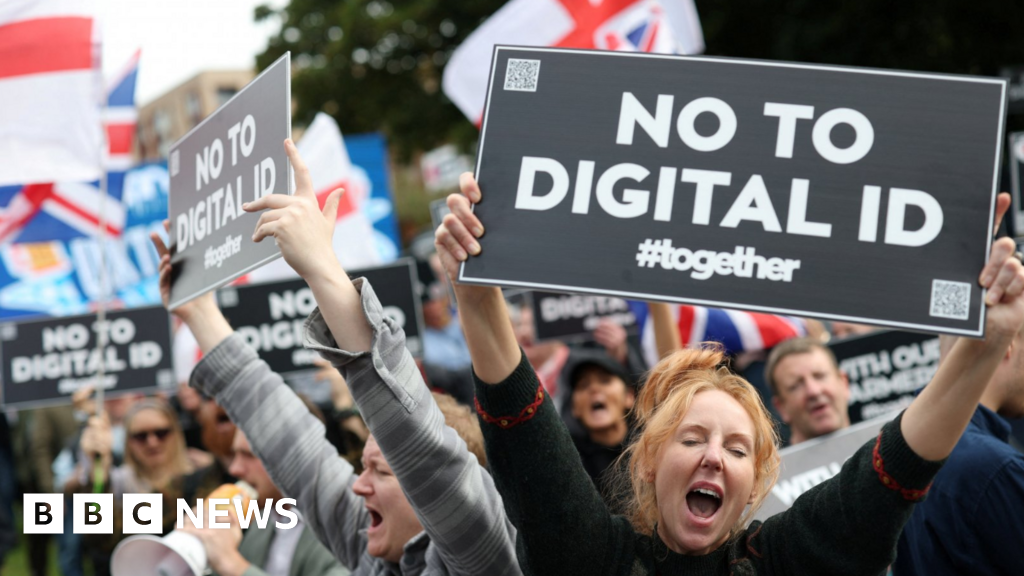
UK Digital ID Rollout Labelled 'Nothing Short of a Fiasco' by MPs Who Are Being Polite
UK's digital ID launch called a 'fiasco' by MPs after mandatory plan spooks public, prompts U-turn, and forces government to ask for input only after everyone got angry.
The UK government's attempt to force digital ID on every British adult has been given the official parliamentary seal of disapproval, with a home affairs select committee calling the launch 'nothing short of a fiasco' - which is committee-speak for 'what on earth were you thinking?'
Sir Keir Starmer announced compulsory digital IDs for workers last September, only to perform a U-turn three months later after the public reacted with the enthusiasm of a cat being forced into a bathtub. The government now says the 'Britcard' will be voluntary, presumably after realizing that 'mandatory' and 'trust us with your data' don't mix well.
Home Affairs Committee Chair Dame Karen Bradley praised the concept of digital ID but savaged its execution. 'To the public this announcement came out of the blue and made little sense,' she said. 'It raised fears of government over-reach into people's lives and was so poorly thought out that they had few answers to ease these concerns.' In other words: they winged it.
The initial plan required digital ID to include residency status, name, date of birth, nationality, and a photo - essentially everything needed to verify you're not a fictional character. Sir Keir argued this would curb fake documents and borrowed National Insurance numbers used by illegal workers. But opponents - including Big Brother Watch and a petition that snagged three million signatures - warned of 'mass surveillance and digital control.'
By January, the mandatory element was dead, marking another climbdown for the Prime Minister. In March, the government relaunched the scheme as purely voluntary, pitching the app as a way to make life easier for public services users. Cabinet Office minister Darren Jones opened an eight-week consultation and assembled a 'people's panel' of 100 citizens - because nothing says 'we learned our lesson' like asking for input after the fact.
Dame Karen welcomed the shift but noted the consultation should have happened 'straight away rather than back to front.' She also approved the government's pledge not to create a centralised database - a rare scrap of good news for privacy hawks. 'Digital ID will not achieve widespread adoption unless the majority of people can trust that their data is secure,' she warned. 'Any future mistakes might prove fatal for public confidence.'
So the government is back at the drawing board, trying to rebuild trust in something that - if done right - could be useful. But as Dame Karen implies, one more screw-up and the public might just decide they prefer their paper documents and the comforting smell of ink.
The Good Times
News in your inbox.
One sardonic roundup, delivered on your schedule. Free. Unsubscribe whenever your tolerance for wit runs out.
Already subscribed but we never reach your inbox? Check your spam folder and hit 'Not spam' (or 'Remove from spam') to bust us out of junk-mail purgatory. You'll be helping everyone else too.
Don't open any of our emails for a month and you'll be automatically removed from the mailing list.
Rewrite Article
Select parts to regenerate with a fresh AI pass. Translations will be updated automatically.
Generate AI Image
Creates a sardonic version of the article image using OpenAI.