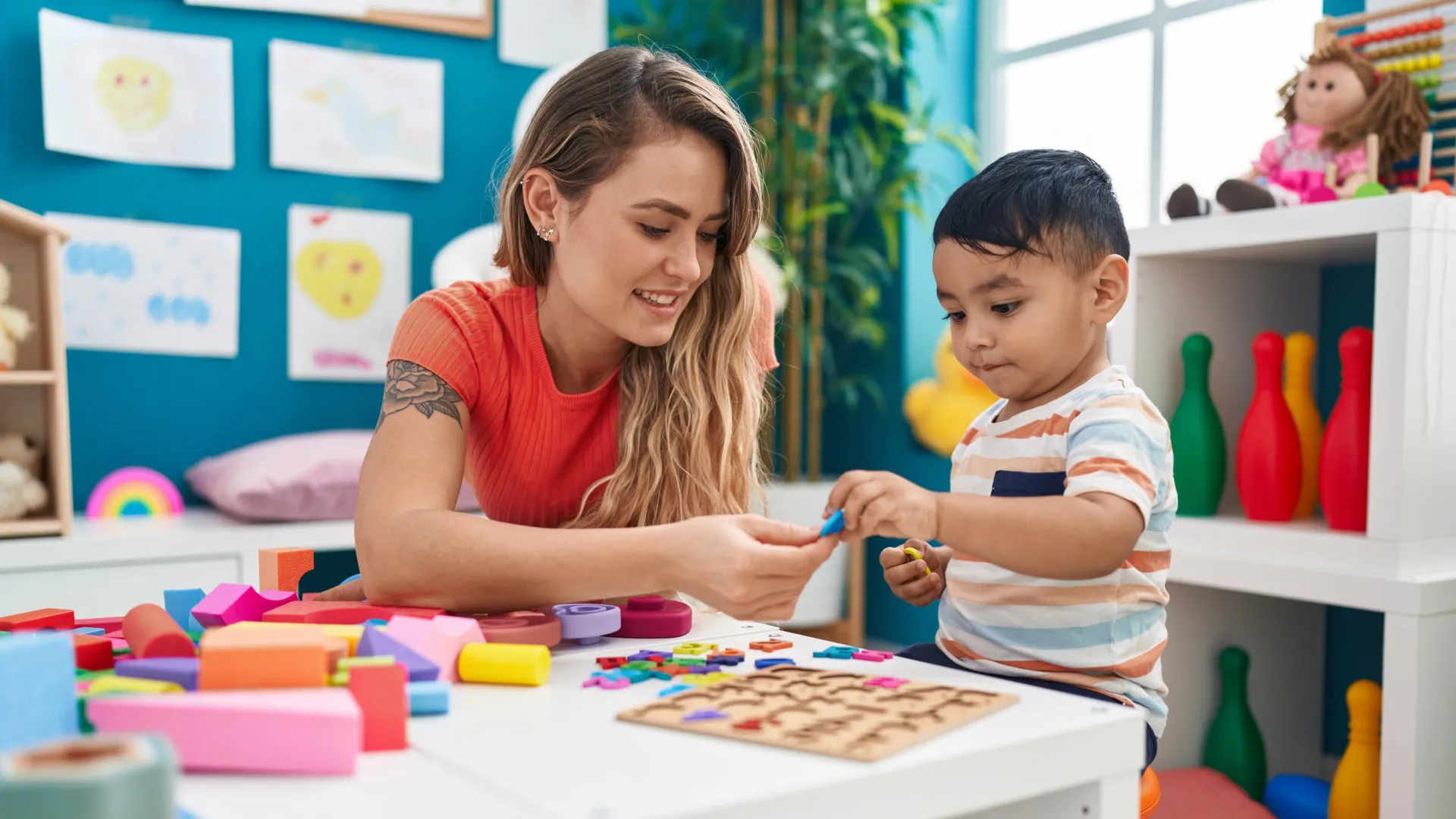
A new study from Florida International University has confirmed what many parents suspected: sending kids to public pre-K might actually be good for them. The research, one of the largest of its kind, tracked 400,000 Miami-Dade County public school students from third grade through high school over 20 years, finding that those who attended public school pre-K4 consistently earned higher grades and scored better on standardized tests, with advantages persisting into adolescence.
Led by George Mason University and overseen by FIU's Charles Bleiker, the study compared three preschool environments: public school pre-K, center-based daycare, and home-based childcare. All met minimum standards, but public school pre-K was the only setting where teachers were required to have a college degree. Bleiker noted, "They had more education and probably higher-quality teachers. It really tests the idea that having better-trained teachers or better curricula actually helps these kids. Critics often say teachers don't need to be highly educated to teach young children, that it's just babysitting and a waste of money. Our data says otherwise."
The study also challenges the notion that early public school exposure has little effect. Familiarity with classroom routines may ease the transition to elementary school, and trained teachers are better equipped to handle behavioral issues and provide productive learning. Bleiker emphasized, "It makes a huge difference if you've been trained. Novice teachers without formal training struggle more. Some of these were mom-and-pop centers hiring people who aren't fully qualified to teach. If a child spends those formative years in time out, watching videos or being herded around, rather than being stimulated, these experiences spill over. They reach kindergarten not ready academically, socially or emotionally."
The research includes an unusually large Hispanic sample - about 70% of Miami's population is Hispanic, making it the largest Hispanic sample in any study of this kind. Bleiker, who joined FIU in 2001, applies these findings to curriculum interventions and early math programs, and supports expanding structured learning opportunities from around age 3. However, he doesn't insist public schools must provide all early childhood education; instead, he suggests using these findings to strengthen center-based and family-based programs.
For parents, Bleiker offers simple advice: pay close attention to your child. If they repeatedly struggle in a setting, consider another center that might be a better fit. The study was provided by Florida International University, with materials noted as possibly edited for style and length.
The Good Times
News in your inbox.
One sardonic roundup, delivered on your schedule. Free. Unsubscribe whenever your tolerance for wit runs out.
Already subscribed but we never reach your inbox? Check your spam folder and hit 'Not spam' (or 'Remove from spam') to bust us out of junk-mail purgatory. You'll be helping everyone else too.
Don't open any of our emails for a month and you'll be automatically removed from the mailing list.
Rewrite Article
Select parts to regenerate with a fresh AI pass. Translations will be updated automatically.
Generate AI Image
Creates a sardonic version of the article image using OpenAI.