Study Finds People Need Money to Buy Things; 7.4 Million Households Struggle to Afford the Obvious
A new report reveals 7.4 million UK households can't afford basics like food and heat - because apparently, the cost of living crisis is still a thing, and no one told the oven.
Four years into the cost of living crisis, the Joseph Rowntree Foundation (JRF) has dropped a truth bomb: nearly two-thirds of low-income families can't afford essentials like food, heating, and clothes. A record 62% of low-income households - 7.4 million of them - went without something essential in the past six months, up from 7.1 million last year. Almost half skipped meals or cut portions. Because nothing says 'cost of living crisis' like voluntarily choosing between eating and heating.
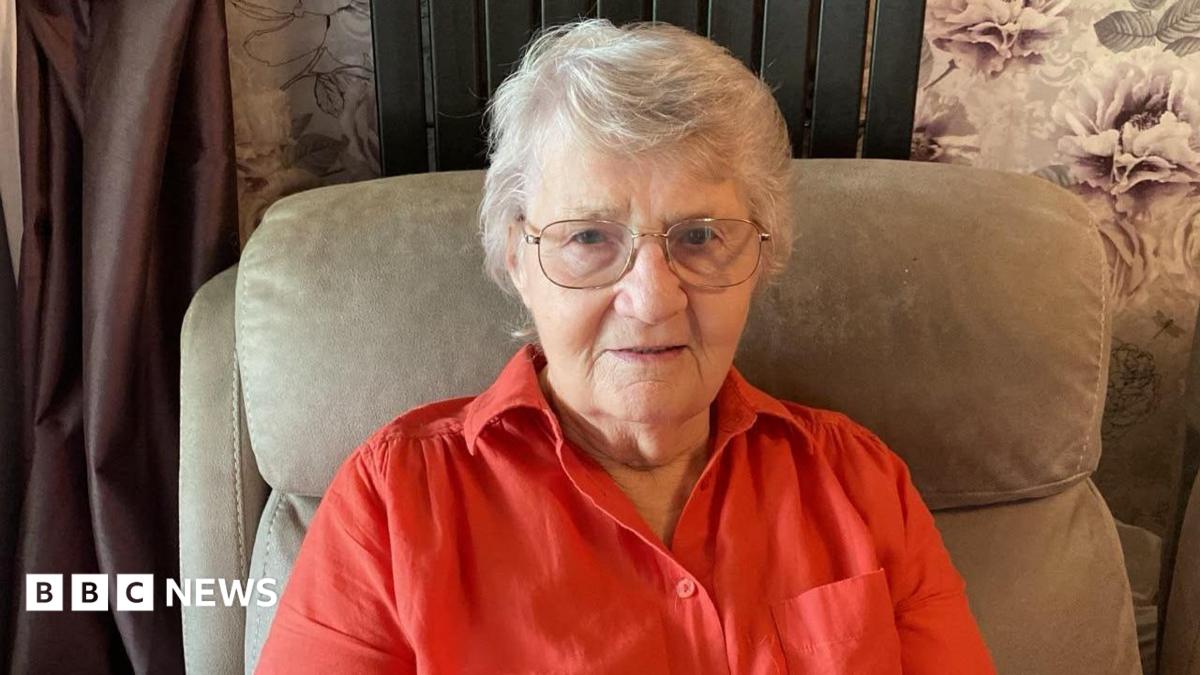
Enter newly appointed Prime Minister Andy Burnham, who has promised to 'give people some breathing space' by cutting VAT on electricity bills from October. Elaine Yates, 77, a widow from rural Northamptonshire, hasn't used her oven in so long she can't remember. 'I had two slices of toast yesterday and two Weetabix and fruit is all I've had to eat today,' she said, describing a diet that would make a minimalist monk blanch. She keeps her thermostat at 13°C in winter and spends £50 a week on petrol - more than her food bill - because she lives in a village and has arthritis. She also gives lifts to friends but sits outside shops because she can't afford to go in. 'I can't remember the last time I treated myself,' she added, which is probably more than any of us can say about our own self-care routines.
Zoe Hayden, 35, a single parent from North Oxford, is doing a plumbing apprenticeship after being made redundant while on maternity leave. She's now debt-free but still struggles with rising costs. 'I went into the shop the other day and I spent £45 on basic stuff, not even two bags of shopping,' she said. 'You're not living your best life, you're just about surviving.' She'd like Burnham to fund free activities for kids, because apparently surviving isn't enough - we need to thrive, or at least let our children have a hobby.
Separate research from Christians Against Poverty found that 35% of UK adults worry about their finances every day. The VAT cut will save households about £45 a year, which Juliette Flachm, Acting Head of Policy at CAP, noted won't exactly solve the 'juggling budgets that simply don't balance.' JRF's chief economist Chris Belfield called for more government intervention on rents, energy, and Universal Credit. A government spokesperson countered that household incomes have risen 5% in real terms, food bank usage has fallen, and they're working on it. The JRF's poverty tracker surveys about 4,000 people from the lowest 40% of incomes and noted that food inflation averaged 4.1% vs. 3.6% overall - because the poor get to pay more for their groceries, naturally. On the bright side, the number of households unable to keep their homes warm has fallen by half a million in two years, thanks to a £150 annual reduction in energy bills. Progress? Maybe. But try telling that to Elaine, who's still eating Weetabix for dinner.
The Good Times
News in your inbox.
One sardonic roundup, delivered on your schedule. Free. Unsubscribe whenever your tolerance for wit runs out.
Already subscribed but we never reach your inbox? Check your spam folder and hit 'Not spam' (or 'Remove from spam') to bust us out of junk-mail purgatory. You'll be helping everyone else too.
Don't open any of our emails for a month and you'll be automatically removed from the mailing list.
Rewrite Article
Select parts to regenerate with a fresh AI pass. Translations will be updated automatically.
Generate AI Image
Creates a sardonic version of the article image using OpenAI.