Screw You, America: Man-Eating Fly Returns to Wreak Havoc on Beef Industry
A flesh-eating fly that terrorized U.S. cattle decades ago is back, and it's not alone - blame, tariffs, and a sterile-fly shortage are joining the party.
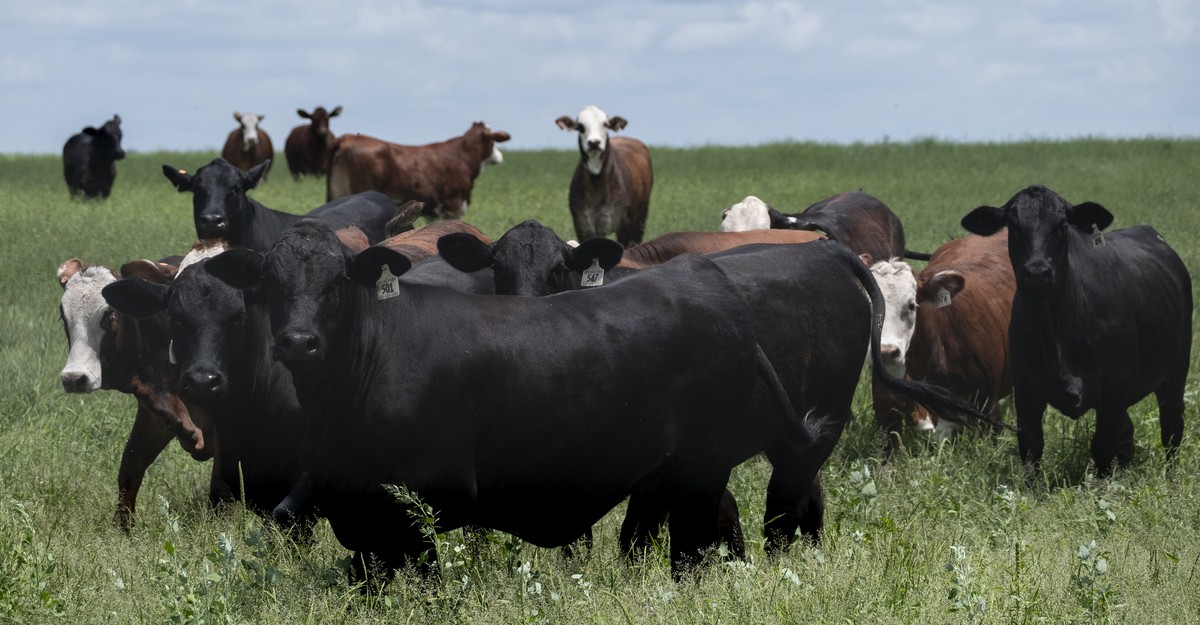
The New World screwworm, despite its misleading name, is not a worm at all but a fly whose larvae feast on warm-blooded flesh like tiny, winged Hannibal Lecters. Last week, 60 years after the U.S. declared itself free of this delightful creature, the Department of Agriculture found larvae in a three-week-old calf in Zavala County, Texas, near the Mexican border. Since then, four more infected animals - two calves, a goat, and a dog - have turned up across Texas and New Mexico. The U.S. cattle herd is already at its smallest since 1951, thanks in part to drought, and beef prices are soaring. Now a parasite that eats livestock from the inside out is adding insult to injury.
Since the 1950s, the USDA has fought screwworms with a clever strategy: raising flies, sterilizing them with radiation, and air-dropping them over affected areas. Wild flies mate with the sterile ones, slowly eradicating the population. It's a quietly effective taxpayer-funded program that once saved cattle farmers tens of millions annually. The pests were pushed south through Mexico and past the Darién Gap, where they were contained until 2022. Then they started marching north, accelerating in 2024, likely due to illegal cattle trafficking. The U.S. closed its border to Mexican calves in November 2024, shrinking the herd further and boosting beef prices. Sally DeNotta, a veterinary professor at the University of Florida, told The Atlantic that full elimination could take "months to years." The only North American facility capable of mass-producing sterile flies is in Panama, churning out just 100 million per week - far short of the hundreds of millions needed.
Officials are playing the blame game. Democrats blame DOGE for cutting screwworm-monitoring funds in Central America last year. The Trump administration blames Biden. Texas officials criticize the USDA; the USDA criticizes them. USDA Secretary Brooke Rollins called Texas Agriculture Commissioner Sid Miller "unserious" after he suggested he might hide outbreaks to avoid quarantines. If ranchers do that, they could unwittingly spread the parasite.
Ranchers face instability despite high cattle prices. Raising a calf is a two-year bet on future market conditions - tough when policy shifts every few months. The industry cheered Trump's summer 2024 tariffs on beef imports, then groaned when he rolled back a tariff on Brazilian beef. He quadrupled the quota for Argentinian beef earlier this year and nearly signed an order removing more tariffs, but punted at the last minute. Politico reports Rollins stopped it to avoid angering ranchers. While beef prices have risen 14% since last year, benefiting some ranchers, the administration's push to lower prices via imports could backfire. Most consumers can't tell a domestic rib eye from an imported one, so ranchers' loss may be shoppers' gain.
Also in this issue: Americans are shelling out $12,000 for coats of arms from Britain's College of Arms; Steven Spielberg's new alien movie Disclosure Day explores empathy in a post-truth era; and Marjane Satrapi's Persepolis remains a testament to lifelong rebellion.
The Good Times
News in your inbox.
One sardonic roundup, delivered on your schedule. Free. Unsubscribe whenever your tolerance for wit runs out.
Already subscribed but we never reach your inbox? Check your spam folder and hit 'Not spam' (or 'Remove from spam') to bust us out of junk-mail purgatory. You'll be helping everyone else too.
Don't open any of our emails for a month and you'll be automatically removed from the mailing list.
Rewrite Article
Select parts to regenerate with a fresh AI pass. Translations will be updated automatically.
Generate AI Image
Creates a sardonic version of the article image using OpenAI.