Paramount Accuses Netflix of 'Scorched-Earth Campaign' Because Nothing Says Competitive Like a Good Whine
Paramount's top lawyer accuses Netflix of running a 'scorched-earth campaign' against its WBD merger, while simultaneously promising jobs and claiming $79 billion in debt is no big deal.
Paramount Skydance has officially accused Netflix of running a 'scorched-earth campaign' against its proposed merger with Warner Bros. Discovery (WBD). Because clearly, when a rival walks away from a deal, the only logical next step is to keep meddling.
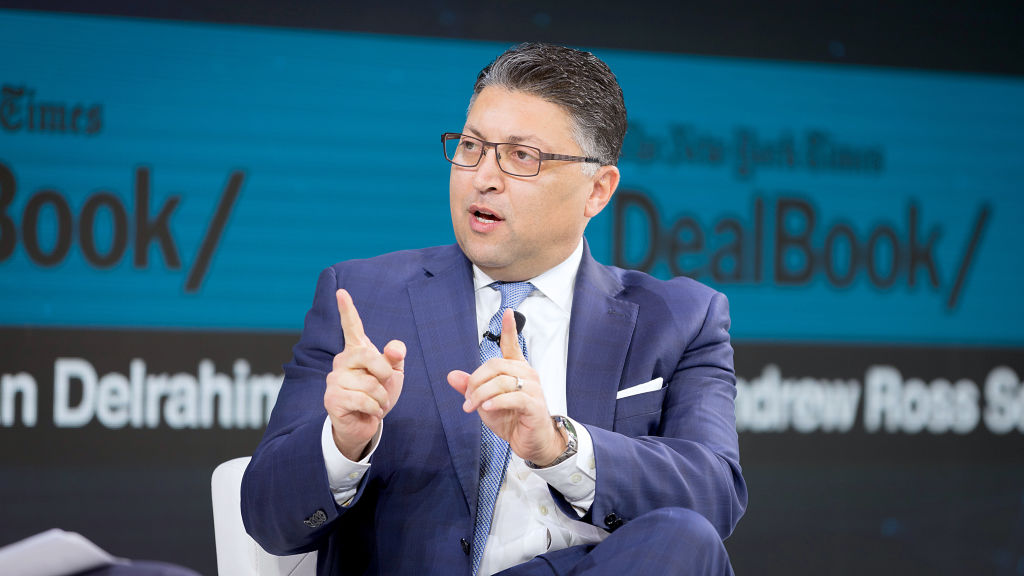
In a June 5 letter to the Department of Justice's Antitrust Division, Paramount chief legal officer Makan Delrahim - a former assistant attorney general for that very division - claimed Netflix is trying to 'poison regulators and other stakeholders' against the transaction. The letter, first reported by Politico, reads: 'Indeed, Netflix's panic-level response and scorched-earth campaign to try and poison regulators and other stakeholders against the Transaction shows just how seriously Netflix takes Paramount as a scaled competitor.'
The letter is a response to an earlier missive from The International Brotherhood of Teamsters, a union with 1.3 million members, which asked the DOJ to block the merger 'unless substantial and enforceable safeguards are put in place to increase domestic production and protect jobs.' Delrahim, however, argues the merger would actually create more content, pushing competitors to follow suit, and bring more opportunities for writers, directors, actors, drivers, location scouts, casting directors, caterers, mechanics, and animal handlers. Because nothing says job security like a combined company carrying $79 billion in debt.
Paramount's letter points to an increase in content production after its 2025 merger with Skydance, claiming it has since purchased or renewed 20 shows and 'will nearly double its theatrical output this year as compared to 2025.' But in a January SEC filing, Paramount said it expects the merged company to spend less on content - by less than 10 percent - though none of those cuts would come from film or TV studios. CEO David Ellison has also promised at least 30 feature films annually, each with a 45-day theatrical window, a pledge he's been making since at least February.
Delrahim's rosy picture contrasts with earlier admissions that the merger would result in job losses as the combined company looks to save over $6 billion, primarily from 'duplicative operations across all aspects of the business - specifically back office, finance, corporate, legal, technology, infrastructure and real estate.' He insists the merged company would not reduce headcount in production or skilled trade labor.
Netflix, which backed out of its own deal to buy Paramount in February, called the claims 'absurd.' A spokesperson said: 'We walked away from this deal months ago and remain focused on our own business, not theirs. Ultimately, it's up to the regulators to approve this deal and determine if it is in the best interest of the industry and all concerned.'
The Teamsters haven't commented, and Paramount declined to comment on the letter. Delrahim, in an interview with the Los Angeles Times, also accused people of campaigning against the merger and blamed antisemitism without further explanation, saying: 'Let's be honest. There's a lot of fear-mongering, particularly from people in Washington, D.C. They are running a political campaign. Some of these people are trying to inflict harm on this transaction really because of their own antisemitic views. Regulators and law enforcement officials will see right through that.'
The Good Times
News in your inbox.
One sardonic roundup, delivered on your schedule. Free. Unsubscribe whenever your tolerance for wit runs out.
Already subscribed but we never reach your inbox? Check your spam folder and hit 'Not spam' (or 'Remove from spam') to bust us out of junk-mail purgatory. You'll be helping everyone else too.
Don't open any of our emails for a month and you'll be automatically removed from the mailing list.
Rewrite Article
Select parts to regenerate with a fresh AI pass. Translations will be updated automatically.
Generate AI Image
Creates a sardonic version of the article image using OpenAI.