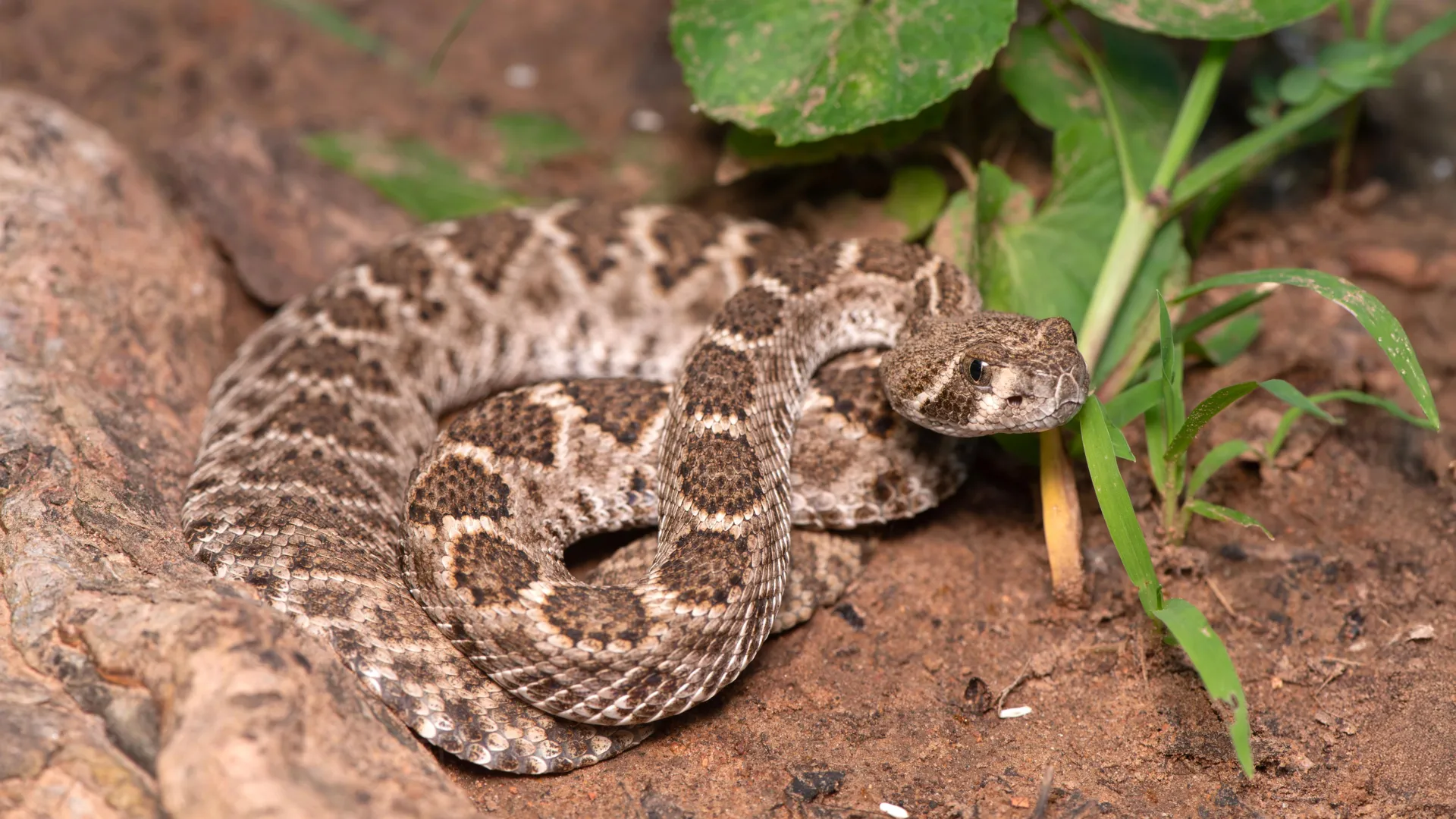
Scientists Defang Myth That Baby Rattlesnakes Are More Dangerous Than Adults
Loma Linda University study disproves the dangerous myth that baby rattlesnakes are more venomous than adults, finding adults pose the greater threat and that the false belief has fueled unnecessary fear and harm to both humans and snakes.
A persistent myth that baby rattlesnakes are more dangerous than their elders has been thoroughly debunked by a new study from Loma Linda University. After tracing the history and spread of this tall tale, researchers concluded that adult rattlesnakes are actually the bigger threat - because they carry and inject far more venom.
The study also disproves the oft-repeated claim that baby rattlesnakes can't control their venom output and thus unleash it all in a single bite. This misconception, the researchers say, has had real-world consequences: “misinformed risk‐taking by those encountering snakes, unwarranted fear among snakebite victims, and inappropriate care delivered by misinformed or patient/family‐pressured medical professionals.”
“This is an easily defanged myth that has generated dread, panic, and real-life consequences,” said William Hayes, lead researcher and professor of biology at Loma Linda University School of Medicine. “Ample evidence demonstrates that baby rattlers, like adults, can control their venom expulsion, the adults possess and deliver far more venom when biting, and the adults cause substantially more severe symptoms in snakebite victims.”
Hayes emphasized that any rattlesnake bite is a medical emergency requiring immediate attention, and antivenom is the only effective treatment. The findings were published last week in the journal Toxins.
Beyond human encounters, the myth has also harmed rattlesnakes themselves. “Misconceptions about rattlesnakes create unnecessary fear and frequently result in people harming or killing them,” the study noted. Rattlesnakes play an important ecological role, and their populations have dropped significantly in many parts of the U.S.
The researchers traced the myth back to at least 1967, when it first slithered into news reports. California outlets were major spreaders during the 1970s, '80s, and '90s, and the myth continued to circulate through North American media from 2000 to 2014. While it still appears today - even in some well-known sources - coverage has become more accurate since 2015, likely thanks to better public education.
Much of the inaccurate reporting stemmed from misquotes of healthcare professionals and emergency responders, while quotes from subject matter experts - especially university professors - were generally far more accurate.
Despite progress, the myth remains remarkably widespread: 53% of Southern California students surveyed believed it, along with 73% of emergency responders and healthcare professionals. “We're hoping to get the word out so that we can get this myth corrected,” Hayes said. “There's no need for hikers to have unwarranted fear of baby rattlesnakes or to think they need to harm or kill the snakes. We also don't want physicians or veterinarians to succumb to pressure from patients and families who insist on excessive medication after a bite from a baby rattlesnake.”
The Good Times
News in your inbox.
One sardonic roundup, delivered on your schedule. Free. Unsubscribe whenever your tolerance for wit runs out.
Already subscribed but we never reach your inbox? Check your spam folder and hit 'Not spam' (or 'Remove from spam') to bust us out of junk-mail purgatory. You'll be helping everyone else too.
Don't open any of our emails for a month and you'll be automatically removed from the mailing list.
Rewrite Article
Select parts to regenerate with a fresh AI pass. Translations will be updated automatically.
Generate AI Image
Creates a sardonic version of the article image using OpenAI.