Same Job, Same Firm, Different Tax Bill: The Tale of Two Accountants and a Border That Won't Quit
Two accountants, same firm, different countries: Scotland's progressive tax system means higher earners pay more, while lower earners save about enough for a nice lunch. Election season brings six parties with six ideas on how to fix it.
On the eve of the Scottish parliament election, personal taxation is poised to be one of those delightful topics voters ponder while trying to remember which candidate promised what about potholes. In the south of Scotland, however, the finer points of tax policy might get a bit more scrutiny, as residents compare their take-home pay with colleagues just a few miles south.
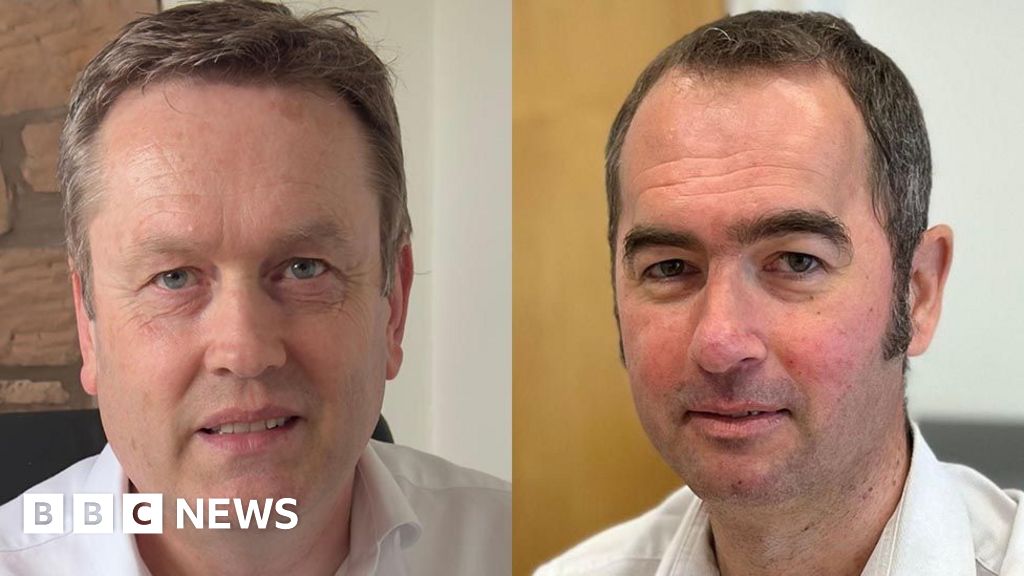
Take Scott McIver, a senior tax manager living in Dumfries, and his colleague Graham Poles, a tax partner in Cumbria. Both work for the same Carlisle-based firm, Armstrong Watson, in similar roles. But their monthly paychecks tell a different story - not because of salary, but because of something far more arbitrary: their postcodes.
Since 2018, the Scottish government has implemented what it calls a more "progressive" six-tier income tax system. It features a 19% "starter" rate (below the UK's 20% basic rate), a basic rate of 20%, an intermediate rate of 21%, and a trio of higher rates at 42%, 45%, and 48%. In practice, this means higher earners in Scotland pay quite a bit more than their English counterparts, while lower earners get a modest break.
Poles explains the awkward office dynamics: "We have people who live in Scotland and travel down into Carlisle, and they're sitting next to colleagues who live in Carlisle but are subject to a different tax rate. I know of colleagues being paid at that £45,000-£50,000 level who are now higher rate taxpayers in Scotland at 42%. Their equivalent colleague sitting right next to them in England is still a basic rate taxpayer."
To put a number on it: someone in Gretna earning £50,000 a year pays £1,496 more in income tax annually than their Carlisle-based counterpart earning the same. The Scottish Fiscal Commission forecasts that 55% of Scots pay less tax than they would elsewhere in the UK, but the savings for lower earners max out at about £40 a year. The sting for higher earners is considerably more noticeable.
McIver, for his part, says the difference isn't enough to make him pack up and move south just yet. "I have family in Dumfries, so I wouldn't be looking to uproot them to take advantage of paying less tax. The tax rate would have to be significant to uproot your whole lifestyle." He adds, with the weary acceptance of someone who's done the math: "There's general acceptance that if you're living in Scotland, you pay more tax."
At salaries around £100,000, the gap widens to £4,000 annually. Poles notes that at that level, "it starts to put in people's minds whether they would look again at being on one side of the border or the other."
The Scottish government uses the additional tax revenue to fund public services, which brings some compensatory perks: free university tuition for Scottish residents, free NHS prescriptions (compared to a £9.90 charge in England), and water bills included in council tax at an average of £532 - among the lowest in the UK. As Poles puts it: "You get free tuition fees, free prescriptions, but over the course of a lifetime a Scottish person is paying more tax. Is it fair? Is it equitable? Probably not, but there's swings and roundabouts."
Ahead of the Scottish elections, the six main political parties have laid out their tax plans. The Scottish Conservatives want to raise the starting point for income tax in line with inflation and increase the higher-rate threshold to £50,270, matching the UK system. The SNP says Scotland's system is the "fairest and most progressive" and vows to keep it that way, without adding more bands or rates. Scottish Labour promises not to raise rates during the next parliament and aims to lower the tax burden. The Scottish Liberal Democrats want to lift thresholds with inflation and close the differential with England. Reform Party Scotland wants to align with the UK's three bands and cut each by 1p. The Scottish Greens want to keep it progressive and add a higher rate for landlords' rental income.
So, as voters head to the polls, they'll weigh the usual mix of promises, principles, and - for those near the border - the very real question of whether their postcode is costing them a small fortune.
The Good Times
News in your inbox.
One sardonic roundup, delivered on your schedule. Free. Unsubscribe whenever your tolerance for wit runs out.
Already subscribed but we never reach your inbox? Check your spam folder and hit 'Not spam' (or 'Remove from spam') to bust us out of junk-mail purgatory. You'll be helping everyone else too.
Don't open any of our emails for a month and you'll be automatically removed from the mailing list.
Rewrite Article
Select parts to regenerate with a fresh AI pass. Translations will be updated automatically.
Generate AI Image
Creates a sardonic version of the article image using OpenAI.