Plastics Industry Writes the Lesson Plans, Because Who Needs Science When You Have 'Stretch Blow Molding'?
The plastics industry has been slipping its talking points into classrooms via free lesson plans and a traveling 'PlastiVan' - because nothing says education like a scavenger hunt for the stuff choking our oceans.
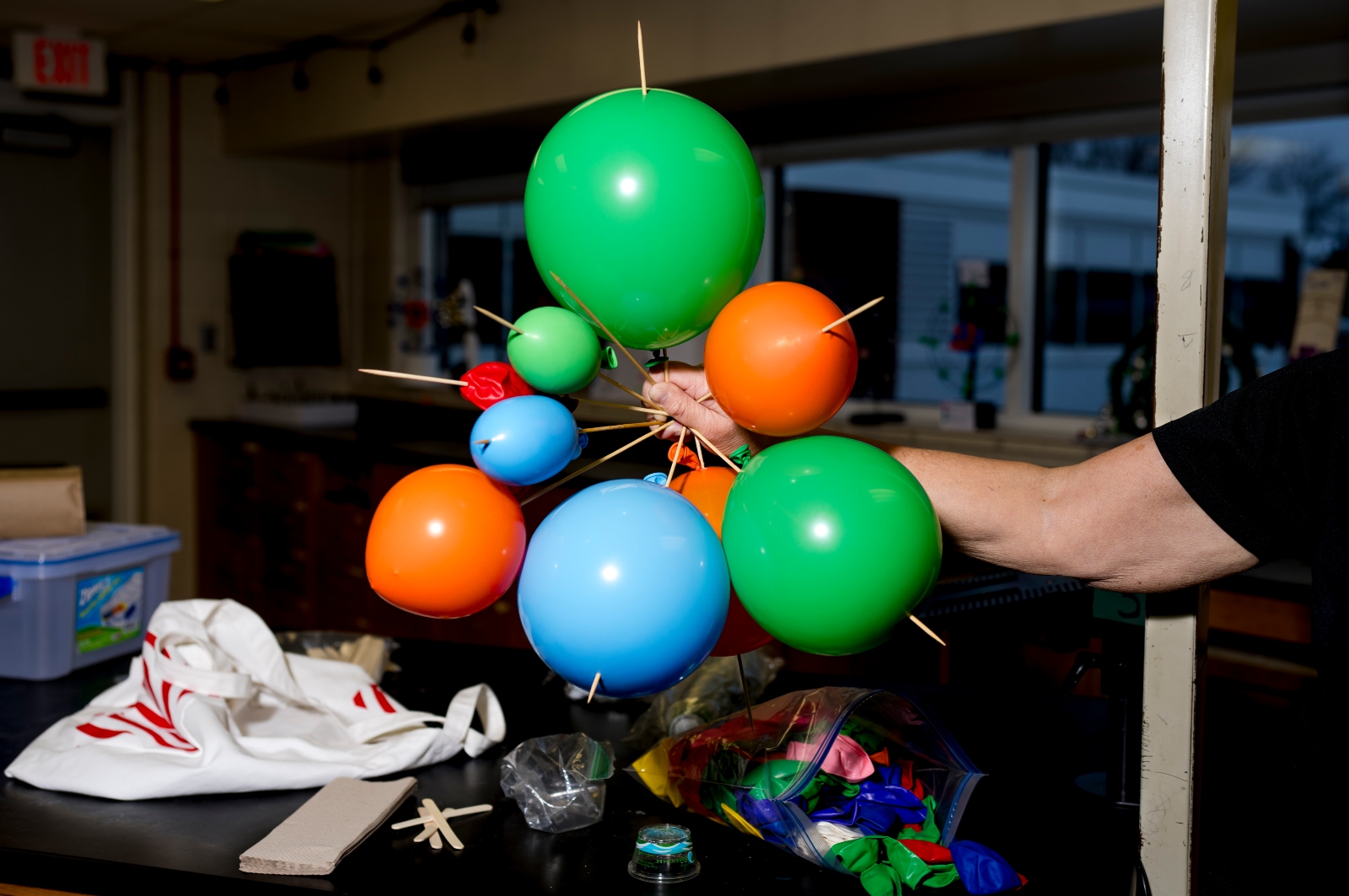
This fall, 54 million K-12 students are heading back to school to learn the classics: math, English, history, biology - and, apparently, the gospel of plastics. A new report from the nonprofit Plastic Pollution Coalition reveals that the plastics industry has been quietly infiltrating U.S. classrooms with lesson plans, worksheets, hands-on experiments, and a traveling roadshow called “PlastiVan” that teaches kids about “the contribution plastics make to modern life.”
These industry resources are often free or cheap for teachers, but they come with a catch: they highlight the wonders of plastic while conveniently ignoring its downsides - like hazardous chemicals, storm drain-clogging, flooding, and greenhouse gas emissions. As Madison Dennis, senior policy and advocacy manager at Plastic Pollution Coalition and lead author of the report, puts it, “When that information is provided to kids, it obfuscates the true impacts of plastic pollution.”
The report details four case studies of industry “propaganda.” The Society of Plastics Engineers (SPE) - now part of the Plastics Industry Association - offers a “plastic scavenger hunt” to help students “understand that plastics are ubiquitous and their importance to society.” There’s also a video called “Your Bottle Means Jobs” that explains how recycling supports employment. Meanwhile, the American Association of Chemistry Teachers (an initiative of Dow Chemical) has a lesson where students compare the strength of grocery store plastic bags and then “pretend [they] are an employee for Dow Chemical Company.” Because nothing says science like designing a bag for a chemical giant.
The materials claim to support STEM learning, but they push industry talking points: plastics are cheap, safe, and the real problem is irresponsible consumers, not overproduction. Recycling is touted as the fix - even though only 9 percent of plastics are actually recycled worldwide, and industry groups have known for decades that recycling can’t keep up with production growth. They promoted it anyway to deflect concern. Cynical? You bet.
Wendy Johnson, a science education specialist at the National Center for Science Education, isn't impressed. She notes the materials don't list which state STEM standards they align with, and they're crammed with jargon like “stretch blow molding” and “thermosetting.” “By using all of these technical terms, it’s tricking people into thinking … that they’re doing science,” she told Grist. What they really teach is “ideological perspectives about the economy.” In other words, it's not about teaching; it's about getting industry talking points into classrooms.
This isn't new. The report traces plastics propaganda in schools back to at least the 2000s. Between 2009 and 2011, a trade group lobbied California to add “The Advantages of Shopping Bags” to textbooks. PlastiVan has been on the road since 2011, reaching over 132,000 students. And in Beaver County, Pennsylvania, Shell runs a 386-acre plastics complex and has invested millions in curricula and recycling programs - plus donated backpacks and a basketball court, seemingly in exchange for curriculum influence. Shell, SPE, the American Association of Chemistry Teachers, and the school district didn't respond to Grist's requests for comment.
This is a symptom of a bigger problem: teachers are underfunded and overworked, so when the plastics industry offers free stuff, it's hard to say no. Suzie Hicks, a K-8 environmental educator who consulted on the report, says she's comfortable vetting materials for greenwashing, but most teachers aren't. Dennis recommends school boards ban industry-sponsored materials, and suggests eliminating tax breaks for petrochemical facilities to free up school funding.
But not everyone wants a ban. Katie Allen of Algalita, a nonprofit that creates its own plastic pollution curricula, worries about where bans would end. She'd rather trust teachers to contextualize industry materials and use them to teach critical thinking. Meanwhile, alternatives exist: Algalita offers lessons on ocean garbage patches and biomagnification, and The Story of Stuff has a curriculum on consumer goods' costs. Nonprofits have agendas too, Hicks notes, but at least they're not trying to sell you something.
Then there's Jacqueline Omania, a retired Berkeley teacher who turned her classroom into a zero-waste lab in 2015. For 11 years, she and her students pledged to minimize plastic use - swapping glue sticks for a communal tub - and campaigned for policies like banning single-use plastic foodware in Berkeley restaurants. “There are so many challenges in the world, but plastic is something tangible,” she said. “It’s right there in front of them, and they can see the difference they’re actually making through their actions.”
So as students head back to class, they might learn that plastics are fantastic - or they might learn to question who's writing the lesson plans. One of those is actual science.
The Good Times
News in your inbox.
One sardonic roundup, delivered on your schedule. Free. Unsubscribe whenever your tolerance for wit runs out.
Already subscribed but we never reach your inbox? Check your spam folder and hit 'Not spam' (or 'Remove from spam') to bust us out of junk-mail purgatory. You'll be helping everyone else too.
Don't open any of our emails for a month and you'll be automatically removed from the mailing list.
Rewrite Article
Select parts to regenerate with a fresh AI pass. Translations will be updated automatically.
Generate AI Image
Creates a sardonic version of the article image using OpenAI.