Personalized Vaccine Plus Drug Keeps Melanoma at Bay, Companies Claim (Cautiously)
Merck and Moderna's personalized melanoma vaccine shows promise in trials, but experts advise keeping the confetti in the drawer until peer review and regulatory approval come through.
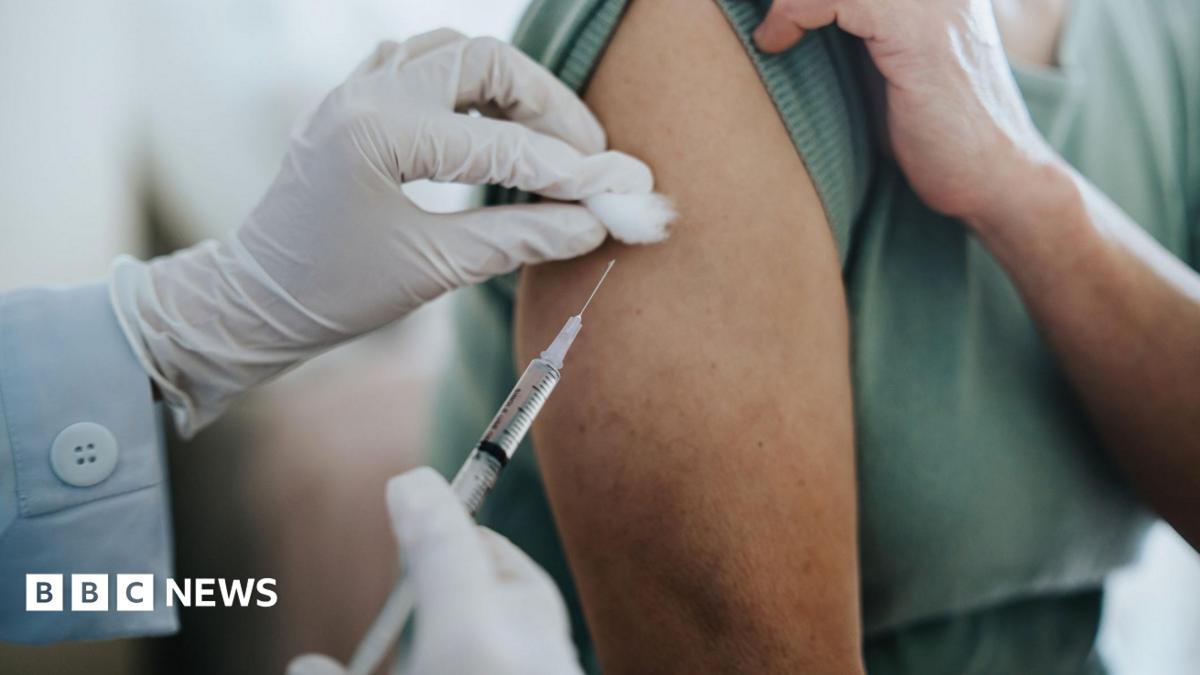
In a development that could be a genuine watershed moment in cancer treatment (or at least a very promising puddle), drugmakers Merck and Moderna have announced that a personalized vaccine, when paired with an existing immunotherapy drug, stopped skin cancer from returning in patients during a trial. The vaccine, dubbed Intismeran, was given to patients with high-risk melanoma - a particularly nasty form of skin cancer - after they had surgery to remove tumors.
The early results, unveiled with all the fanfare of a corporate press release, suggest that the jab extended the time patients remained cancer-free, though the companies are conspicuously vague on exactly how long. Cancer experts, ever the party poopers, are urging caution because the full results haven't been released or peer-reviewed - that's the part where independent experts actually check the work. And even after the trials wrap up, the treatment would still need regulatory approval, and then another approval process, before it ever sees the inside of an NHS clinic.
The vaccine was tested in combination with Keytruda, an immunotherapy drug already in use. Compared to Keytruda alone, the dynamic duo significantly increased the time patients stayed cancer-free and reduced the risk of the disease spreading to other organs. The phase three trial involved over 1,000 patients with high-risk stage two, three, or four melanoma - meaning they ranged from having large tumors in one area to cancers that had already spread.
This so-called personalized vaccine uses mRNA technology, the same trick used in some Covid-19 vaccines, to target specific mutations in a patient's cancer cells. The process involves surgically removing a small part of the tumor, sequencing its DNA, and crafting a custom jab that instructs the immune system to recognize and attack any remaining tumor cells. It's like a wanted poster for your specific cancer, but with more science.
Merck and Moderna are already testing similar personalized vaccines for lung, bladder, and kidney cancers. Moderna's CEO, Stephane Bancel, called the findings a "pivotal moment" in cancer research - which is exactly what you'd expect a CEO to say when their stock price is surging. Indeed, shares in both companies have jumped since the announcement.
Cancer experts are cautiously optimistic. Dr. Talisia Quallo of Cancer Research UK said the research "shows promise" but needs full review. Dr. Lennard Lee, an oncologist at Oxford, noted that while this is good news for melanoma patients, the study's broader implication is that it provides proof of principle that personalized cancer vaccines work. In other words, the science is promising, but let's not pop the champagne just yet - or at least keep the bottle chilled until the peer reviewers have had their say.
The Good Times
News in your inbox.
One sardonic roundup, delivered on your schedule. Free. Unsubscribe whenever your tolerance for wit runs out.
Already subscribed but we never reach your inbox? Check your spam folder and hit 'Not spam' (or 'Remove from spam') to bust us out of junk-mail purgatory. You'll be helping everyone else too.
Don't open any of our emails for a month and you'll be automatically removed from the mailing list.
Rewrite Article
Select parts to regenerate with a fresh AI pass. Translations will be updated automatically.
Generate AI Image
Creates a sardonic version of the article image using OpenAI.