Paralympic Champion Applauds Plan to Hit Airlines Where It Hurts for Mistreating Disabled Travelers
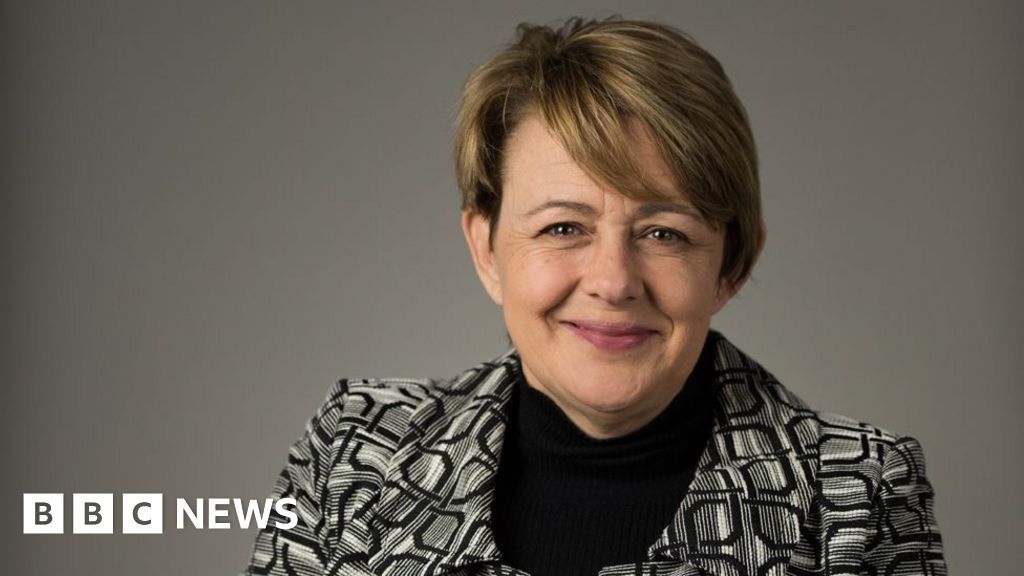
Baroness Tanni Grey-Thompson backs a bill to fine airlines that mistreat disabled passengers, after her wheelchair was lost, cut in half, and returned with a suggestion to use duct tape.
Baroness Tanni Grey-Thompson, a Paralympic champion whose wheelchair once went on an unplanned European tour before returning in two pieces, has endorsed a bill that would fine airlines for failing disabled passengers. Speaking in the House of Lords, she called the legislation a "significant opportunity" to improve flying experiences for wheelchair users, noting that the current system for seeking help or compensation is "just a little bit too ad hoc" - which is diplomatic for "a complete mess."
The bill, which passed its second reading, would introduce new rules on flights, lost luggage, and price transparency. Aviation Minister Keir Mather said it would "modernise" UK aviation and strengthen the Civil Aviation Authority's enforcement powers - because apparently, asking nicely hasn't worked.
Grey-Thompson recounted how her wheelchair vanished after a Geneva to Birmingham flight, only to reappear "several weeks" later via Dublin, cut in half. An airline employee, upon realizing her chair was missing, asked if she had ever tried to walk. When she pointed out that no, she can't walk, the airline attempted to return two sleeping bags to her, insisting they were her lost property - despite being tagged for a different passenger and airport. When the wheelchair finally limped home, someone suggested she try duct tape. It didn't work.
She also recalled another incident where the wheels of her racing chair were damaged, and an airline "immediately jumped to replacing them" with a more expensive set - because nothing says accountability like an unsolicited upgrade.
The Welsh independent crossbencher emphasized the need for better damage assessment and clearer accountability, noting that there is "a lack of data of when things go wrong - it's hard to know who to contact, who to complain to, how to resolve issues and actually even who has responsibility." Because when your mobility device is in pieces, the last thing you need is a bureaucratic scavenger hunt.
However, Paralympic gold medallist Lord Christopher Holmes of Richmond, a blind former swimmer, urged that clearer disabled passengers' rights be written directly into the bill rather than left to future rules. He warned the draft lacked specific protections for disabled, older, and younger travellers, and called for an "inclusive-by-design statutory duty" in law - which would be "a huge step forward" to improve protections for all passengers.
Labour peer Baroness Theresa Griffin of Princethorpe shared her own experience of being left in airport "holding pens" and given colouring pencils while travelling to Strasbourg - because nothing says "we value your custom" like a travel-size crayon set. She asked whether the bill would cover both airlines and airports. Transport minister Lord Hendy confirmed it would, noting that peers had "spoke passionately" about serious shortcomings in air travel for disabled passengers, and the government was acting because "actually it doesn't accept that that's inevitable."
Mather added in an earlier statement that the new laws would modernise UK aviation and support the redesign of airspace for faster, more efficient flights, while "enhancing aviation safety standards and delivering greater passenger protections." He also claimed the sector delivers a "strong, reliable experience" day-in and day-out - which is a bold claim given the duct tape situation.
The Good Times
News in your inbox.
One sardonic roundup, delivered on your schedule. Free. Unsubscribe whenever your tolerance for wit runs out.
Already subscribed but we never reach your inbox? Check your spam folder and hit 'Not spam' (or 'Remove from spam') to bust us out of junk-mail purgatory. You'll be helping everyone else too.
Don't open any of our emails for a month and you'll be automatically removed from the mailing list.
Rewrite Article
Select parts to regenerate with a fresh AI pass. Translations will be updated automatically.
Generate AI Image
Creates a sardonic version of the article image using OpenAI.