
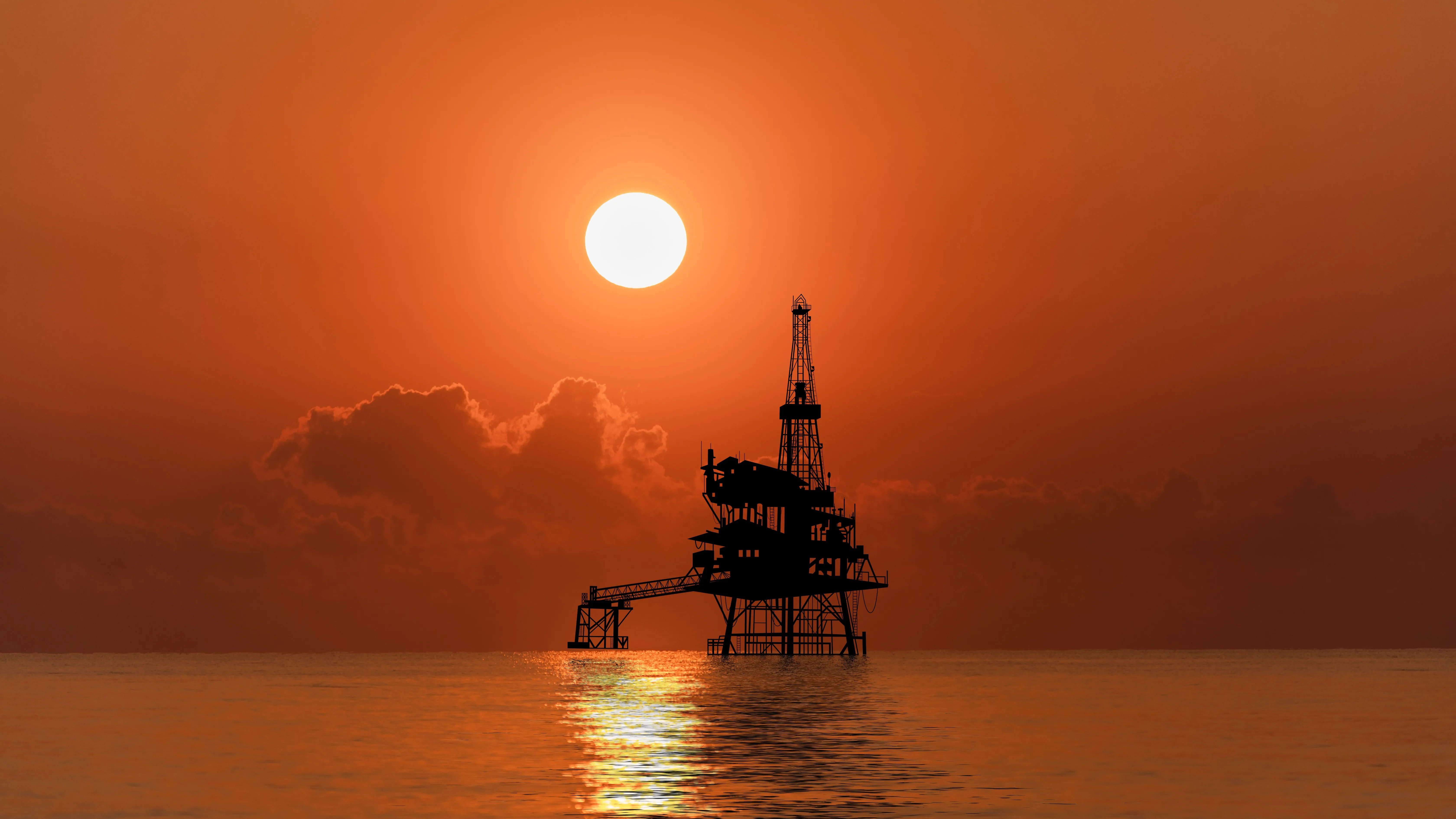
In the latest installment of "Actions Speak Louder Than Slogans," oil companies have posted jaw-dropping profits for the spring quarter, and yet they're still not drilling like it's 2008. Exxon Mobil raked in $14.5 billion, Chevron bagged a record $12 billion, and Shell pocketed $9.8 billion - more than double its earnings from the same period last year. The windfall comes courtesy of a Middle East war that effectively blockaded the Strait of Hormuz, forcing suppliers to take the scenic route over land and through pipelines. The resulting supply shortages, constrained refining capacity, and higher transportation costs have sent oil and gasoline prices soaring, delivering a nice little payday for the producers.
But here's the twist: those profits aren't being plowed into new wells or exploratory drilling. Instead, companies are stuffing the cash into their pockets and showering shareholders with dividends. The industry's former motto, "drill, baby, drill," has been replaced by the more sobering "capital discipline." It's a shift from rampant drilling and production growth to tightened belts and bigger investor payouts. Oil executives expected a weak 2026 due to a supply glut, but the Strait of Hormuz closure constricted supply and let them charge premium prices for refining capacity outside the Middle East.
"While we didn't anticipate the current situation, we were prepared for it," Exxon CEO Darren Woods said in a July analyst call, as reported by the Wall Street Journal. "Despite the temporary loss of approximately 10 percent of our upstream production, we delivered exceptional financial results." Chevron's CFO Eimear Bonner echoed the sentiment to Bloomberg: "We did not change any of our plan."
So much for the Trump administration's "unleashing" of U.S. energy. The administration promised oil majors would pounce on Venezuelan fields after Nicolas Maduro was detained in January, but drilling remained sluggish despite the government's efforts to pry open public lands. Even with federal lands opened up, companies have been lukewarm. As Americans bleed at the pump, President Donald Trump has gone so far as to accuse oil companies of "making too much money" from the war, unable to persuade them to ramp up production.
"Oil and gas companies respond more to financial incentives than they do to political signaling," said Clark Williams-Derry, an energy finance analyst at the Institute for Energy Economics and Financial Analysis. "They're going to be looking at their finances first rather than politicians' demands."
Had the U.S.-Israel war with Iran occurred in 2012, oil companies might have seen the price spike as a golden opportunity to drill more. During the 2000s fracking boom, CEO compensation was often tied to production growth, and investors couldn't get enough. But those glory days ended with price crashes - notably the Saudi-led flooding in 2014 and the COVID-19 pandemic in 2020. Over the last five years, investors have soured on drill-happy companies and embraced a more disciplined approach: focus on lower-cost drilling, restrain spending, and return more cash to shareholders.
"What is perhaps most telling about the corporate response to the turbulent forces impacting the oil and gas sector is just how little changed [in 2026]," said Tom Ellacott, senior vice president of corporate research at Wood Mackenzie, in a July press release. "Capital discipline has proved more durable than either the bears or bulls expected."
U.S. drilling, measured by rig count, ticked up in the summer - but only after the president launched a war in Iran that spiked prices. By June, it had merely recovered to the same rate as the previous year, according to Baker Hughes data. Williams-Derry notes that international oil companies have used wars in Ukraine and Iran to boost revenues and maintain hefty payments to Wall Street investors. In calmer times, they've even taken on debt to keep those payouts flowing, according to his analysis of cash flow statements. In an ironic twist, oil companies have benefited more from supply constraints than from "unleashing" production.
The climate implications are a mixed bag. Tight spending has led most oil majors to back away from renewable investments - except France's TotalEnergies, which is charging ahead, even after the Trump administration agreed to pay over $900 million to cancel two offshore wind projects off New York and North Carolina. More discipline might also encourage companies to capture and sell leaking natural gas from existing wells, since maximizing revenue beats drilling expensive new ones. And higher oil and gas prices for longer could boost the appeal of electric vehicles and renewables - Chinese solar and EV exports to some countries have spiked during the war.
Wood Mackenzie warns that disciplined companies could fall behind global demand, losing market share to national oil companies like Saudi Arabia's, which might reshape the politics of energy security for Western nations. But Williams-Derry suspects this phase may be temporary - no company wants to shrink forever, and eventually some growth will be necessary.
Still, oil companies have shown they can profit from energy shocks that hurt U.S. consumers just as easily as they can relieve them - a reminder for politicians who think they can count on them for energy security. As Williams-Derry put it, "At least for now, production of oil is no longer the way executives are getting paid. What matters is their ability to generate cash."