New Dinosaur Species as Long as a Cricket Pitch Discovered in Thailand; Scientists Smash Computers in Celebration
Palaeontologists in Thailand discover a 20-metre-long dinosaur with a neck that makes giraffes jealous, and one scientist celebrates by destroying his computer.
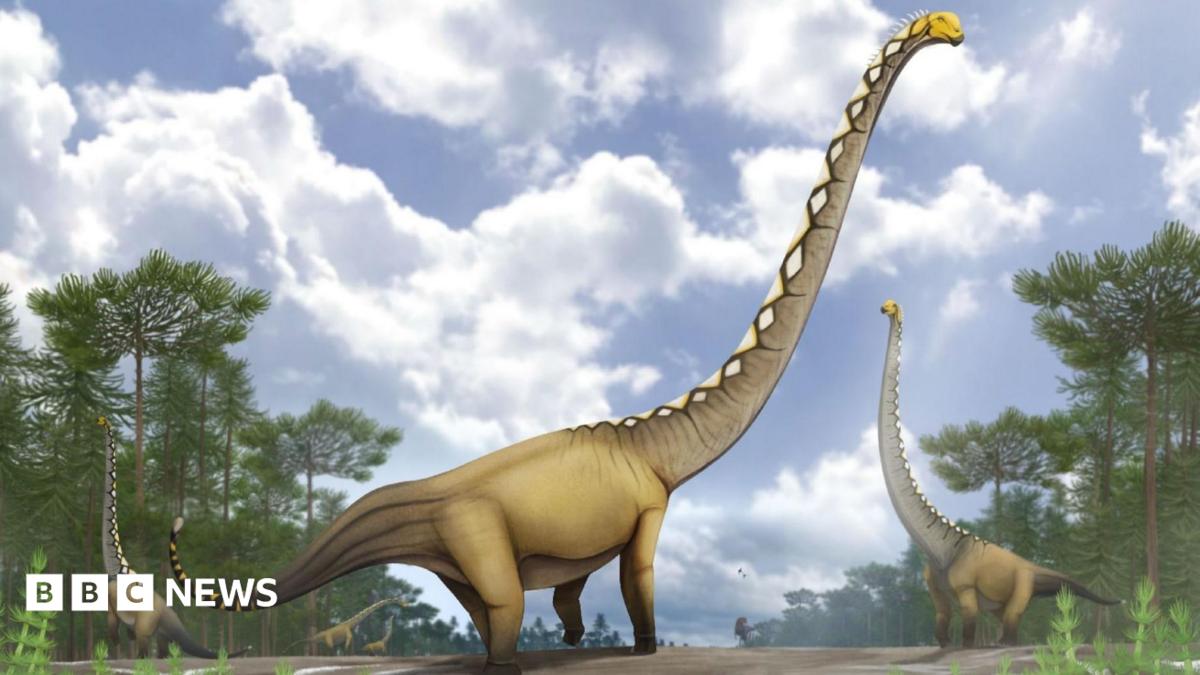
Palaeontologists in Thailand have announced the discovery of a new dinosaur species, because apparently the planet didn't already have enough terrifyingly large herbivores. Meet Uragasaurus kalasinensis, a plant-eater that roamed the Earth about 150 million years ago, sporting an unusually long neck and stretching up to 20 metres (66 feet) - roughly the length of a cricket pitch, if cricket pitches were made of bone and lived in the Late Jurassic.
The fossils were found in Kalasin Province, in the country's north-east, at a site called Phu Noi. This spot has been a treasure trove of Jurassic goodies since 2008, when a local man stumbled upon fragments resembling serpent scales. Over 90% of the fossils excavated there are dinosaur bits, which is either a palaeontologist's dream or a sign that the site is dangerously overrun with ancient reptiles.
The key to identifying the new species was a dorsal vertebra - a bone from the middle or upper back - that had distinctive characteristics. A CT scan revealed that Uragasaurus belongs to the Mamenchisauridae family of sauropods, known for their extremely long necks that likely helped them reach vegetation at different heights, presumably so they could be picky eaters. While most Mamenchisauridae fossils have been found in China, this is the first such discovery in Thailand.
The scan also showed unique features, including a Y-shaped arrangement of supporting bones called laminae and a unique air-cavity structure. According to Dr Apirut Nilpanapan from Mahasarakham University, the study's lead author, these traits are "unlike any other dinosaur in the world… That's what sets it apart." He also admitted to smashing his computer after realizing they had discovered a new species, describing the feeling as both "exhilarated and relieved" - which is probably cheaper than therapy.
The study was published in the journal Nature this week. This follows the May revelation of another long-necked herbivore, the nagatitan, identified from remains dug up in Thailand. The nagatitan is the largest-ever dinosaur found in Southeast Asia, weighing 27 tonnes (as much as nine adult Asian elephants) and measuring 27 metres (88 feet) in length. So if you're planning a visit to Thailand, maybe stick to the beaches.
The Good Times
News in your inbox.
One sardonic roundup, delivered on your schedule. Free. Unsubscribe whenever your tolerance for wit runs out.
Already subscribed but we never reach your inbox? Check your spam folder and hit 'Not spam' (or 'Remove from spam') to bust us out of junk-mail purgatory. You'll be helping everyone else too.
Don't open any of our emails for a month and you'll be automatically removed from the mailing list.
Rewrite Article
Select parts to regenerate with a fresh AI pass. Translations will be updated automatically.
Generate AI Image
Creates a sardonic version of the article image using OpenAI.