Low-income households in London are being charged a “poverty premium” of over £600 a year just to access the same goods and services as their wealthier neighbours, because apparently being poor is expensive.
The study by Fair by Design, funded by Trust for London, found that families in Peckham pay an average of £493 more annually for identical items, with the figure rising above £600 in the worst-hit areas. The main culprit? Food shopping. Thirty-nine percent of poor families are stuck with pricey local convenience stores instead of big supermarkets, because nothing says “affordable city” like paying extra for bread and milk.
Energy and insurance also pile on the pain: prepayment meter users cough up £129 more a year than those on direct debit, and drivers in deprived postcodes pay an average of £153 extra for motor insurance. Because why should the poor catch a break?
Manny Hothi, chief executive of Trust for London, called for regulators to consider how their markets screw over the poor. “End the unfairness of people having to pay more because they pay monthly or don't sign up to direct debit,” he said, presumably while sighing deeply.
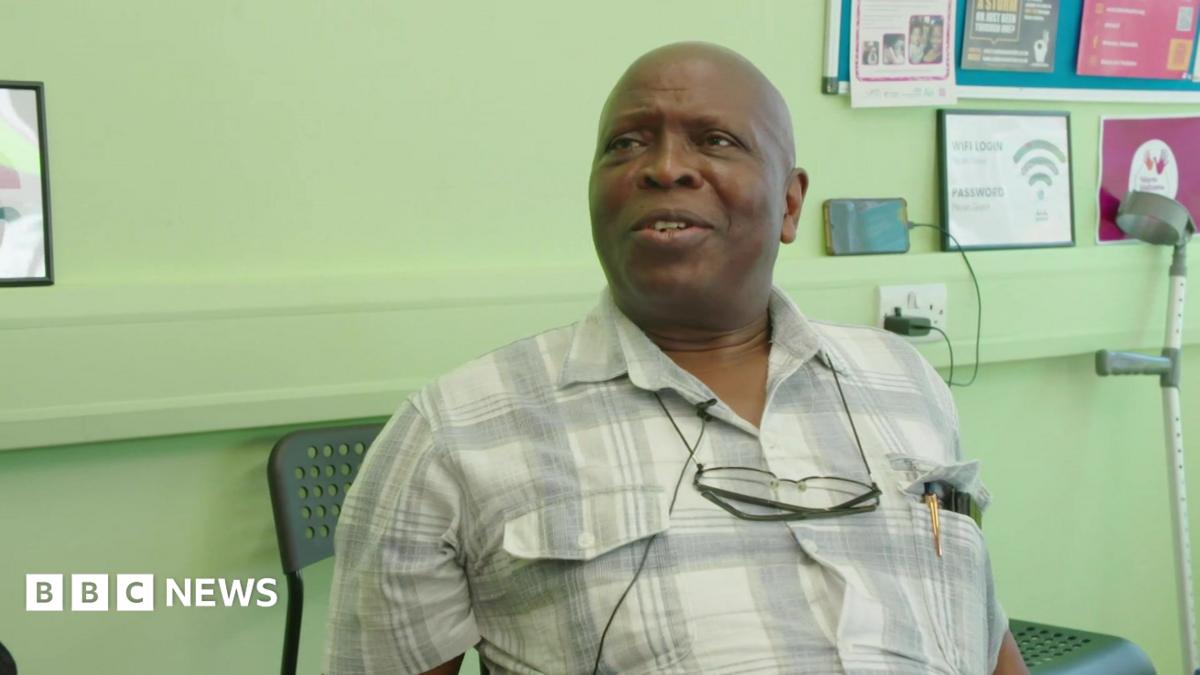
At a free cafe in Peckham run by charity Pecan, visitor Josiah Lahai summed it up: “I go to the supermarket and there are certain things I want but I can't buy them.” Meanwhile, Doreen Davies from Pecan said soaring rents are forcing families to flee their networks and move “as far as up north,” which is apparently the London equivalent of being exiled to Siberia.
Labour MP Miatta Fahnbulleh pointed to a £150 energy bill reduction and a £39bn investment in social housing, while Conservative MP Julia Lopez blamed Mayor Sadiq Khan for an 84% drop in housing starts and noted that public finances are in an “unsustainable position.” Because nothing says “helping the poor” like partisan bickering.
The government spokesperson, in a classic move, cited a £1bn crisis and resilience fund (with nearly £150m for London) and claimed that household incomes have risen 5% in real terms and food bank usage is down. They also highlighted removing the two-child benefits limit, which affects about 240,000 children in 65,000 London households, and lifting the minimum wage. Progress, they insist, is happening - even if it doesn't feel like it at the checkout counter.
The Good Times
News in your inbox.
One sardonic roundup, delivered on your schedule. Free. Unsubscribe whenever your tolerance for wit runs out.
Already subscribed but we never reach your inbox? Check your spam folder and hit 'Not spam' (or 'Remove from spam') to bust us out of junk-mail purgatory. You'll be helping everyone else too.
Don't open any of our emails for a month and you'll be automatically removed from the mailing list.
Rewrite Article
Select parts to regenerate with a fresh AI pass. Translations will be updated automatically.
Generate AI Image
Creates a sardonic version of the article image using OpenAI.