Keto Diet Achieves 67% Liver Fat Reduction, Proving Bacon Is Basically Medicine
A clinical trial finds keto diet cuts liver fat by 67% and reverses prediabetes in half of participants, proving that sometimes the most effective medicine is a stick of butter.
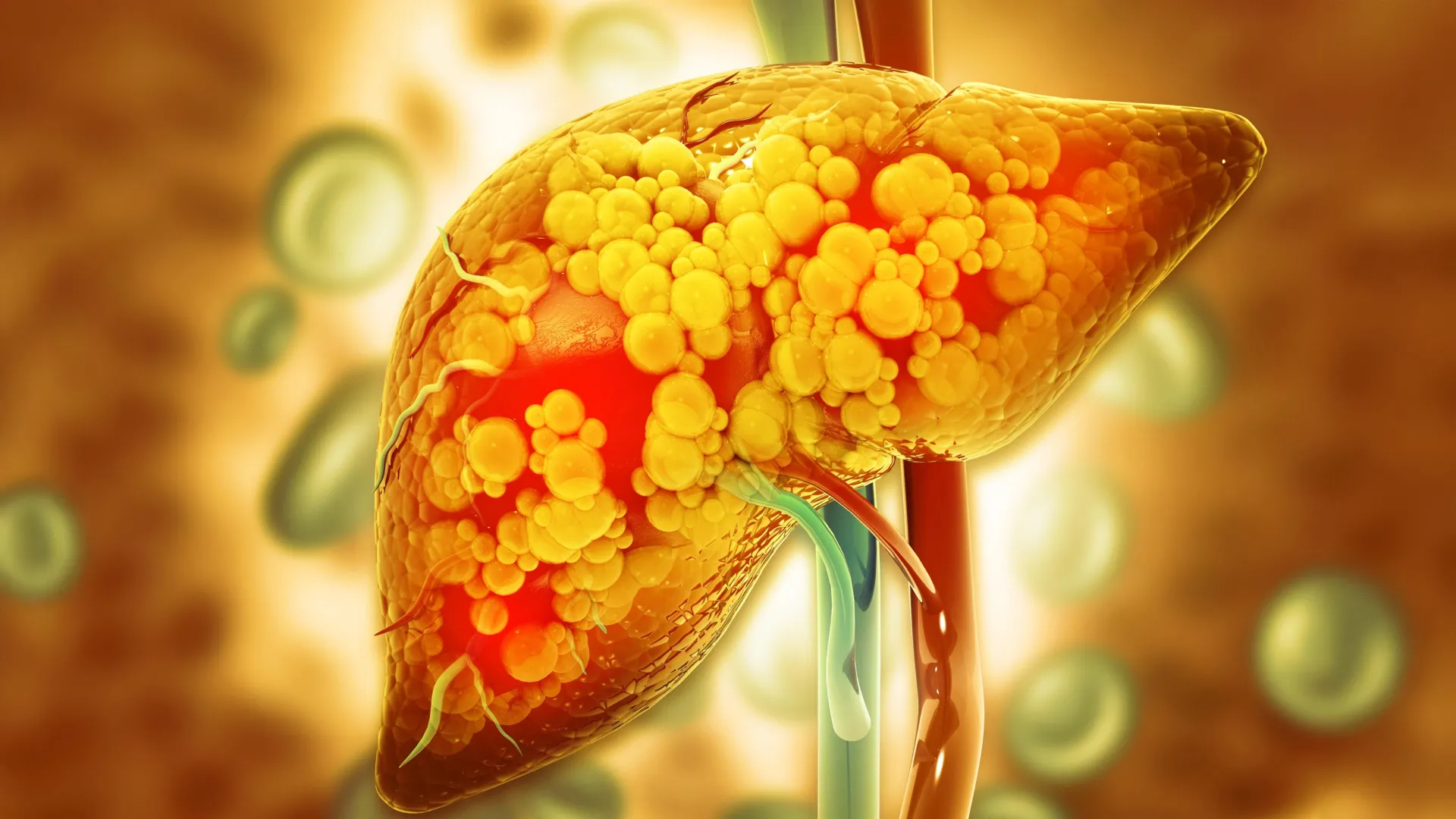
In a groundbreaking clinical trial that will surely delight carnivores and confound nutritionists, researchers have found that a ketogenic diet - essentially a license to eat all the fat you want - can slash liver fat by 67% in people with obesity and prediabetes. The study, published August 27 in Cell Metabolism, suggests that keto might outperform both Mediterranean and low-fat diets in improving metabolic health, even when weight loss is similar.
"We know weight loss can improve metabolic health in people who are obese," says Samuel Klein, the study's corresponding author at Washington University School of Medicine in St. Louis, Missouri. "Our data suggest that if you have high liver fat content and prediabetes, reducing carbohydrate intake can have important therapeutic effects on metabolism beyond just weight loss alone."
The trial, which enrolled 42 participants with obesity, prediabetes, and fatty liver disease, randomly assigned them to one of three diets: ketogenic (4% carbs, 73% fat), Mediterranean (50% carbs, 35% fat), or low-fat plant-forward (70% carbs, 15% fat). All participants were supplied with their meals and met with a dietitian weekly. Calorie intake was adjusted to achieve about 10% weight loss over four to five months - a goal that all groups successfully met.
Despite similar weight loss, the keto group saw liver fat plummet by an average of 67%, compared to a 45% reduction in both the Mediterranean and plant-forward groups. The keto group also showed the largest increases in glucagon, a hormone that helps reduce liver fat, and the greatest declines in blood insulin levels - both changes that contribute to improved liver health.
"The most surprising finding was that participants in the ketogenic diet group didn't experience an increase in blood fat or cholesterol levels despite consuming the most fat," says Max Petersen, the study's first author at Washington University School of Medicine. So much for the lipid panic.
Perhaps most strikingly, after the intervention, about 50% of keto participants no longer met the criteria for prediabetes, compared to 29% on the Mediterranean diet and just 7% on the plant-forward diet. While GLP-1 medications have revolutionized obesity treatment, Petersen notes that "the specific composition of the diet can give you added benefits."
The study, funded by the National Institutes of Health and the Foundation for Barnes-Jewish Hospital, adds another layer to the eternal diet wars. So go ahead, have that extra pat of butter - your liver might just thank you.
The Good Times
News in your inbox.
One sardonic roundup, delivered on your schedule. Free. Unsubscribe whenever your tolerance for wit runs out.
Already subscribed but we never reach your inbox? Check your spam folder and hit 'Not spam' (or 'Remove from spam') to bust us out of junk-mail purgatory. You'll be helping everyone else too.
Don't open any of our emails for a month and you'll be automatically removed from the mailing list.
Rewrite Article
Select parts to regenerate with a fresh AI pass. Translations will be updated automatically.
Generate AI Image
Creates a sardonic version of the article image using OpenAI.