Northern Ireland's Economy Since Brexit: Roses Get a £387 Tax, Sandwiches Get a Second Chance
Northern Ireland's post-Brexit economy: roses get hammered with charges, sandwiches thrive, and services carry the real weight - proving that dual market access is nice, but law firms and banks are nicer.
A decade after the UK voted to leave the EU, Northern Ireland's economy is a tale of two ports: one where roses come with a £387 surcharge, and another where sandwiches have never been more popular.
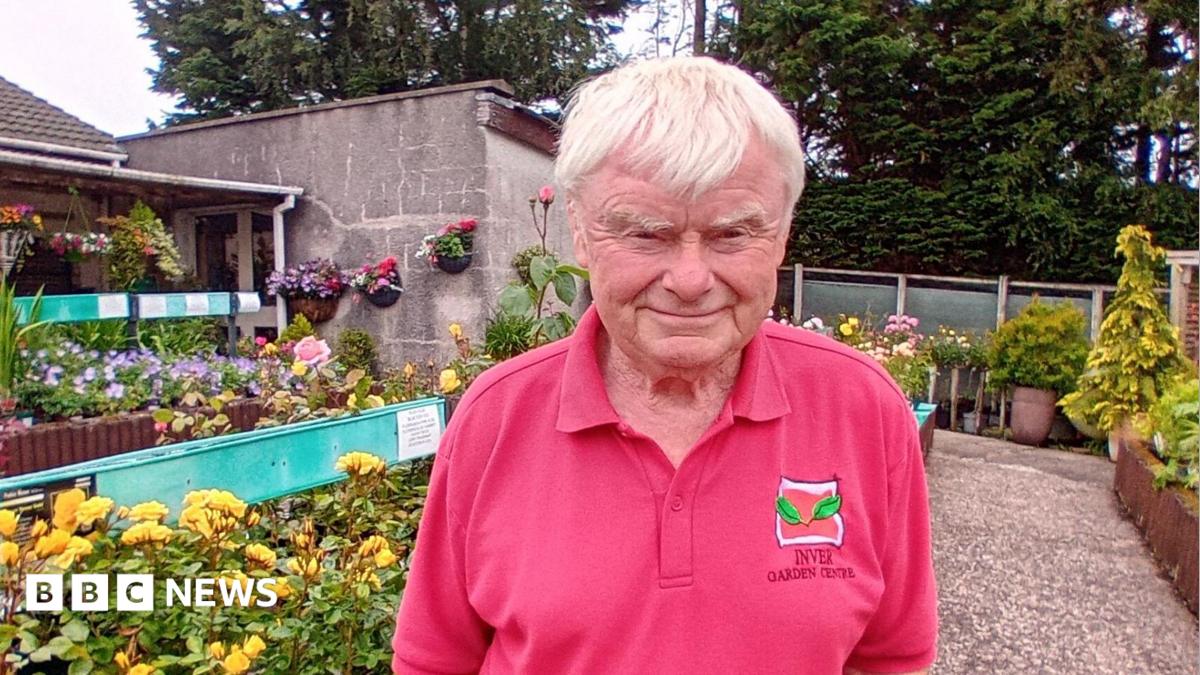
In Larne, garden center owner John Shannon is now slapped with a £387 "export charge" just to import roses from Great Britain. His response? He drives to England in his van to pick up loads that hauliers won't touch, and has started buying from the Republic of Ireland, where nurseries have "upped their game."
Meanwhile, in Warrenpoint, Brian Reid's Deli Lites food company has thrived. Big retailers, spooked by post-Brexit supply chain risks, switched from British manufacturers to local suppliers for short-life products like sandwiches. "We picked up a number of contracts on the back of that," Reid says, adding that it's been "brilliant" but not without challenges.
Northern Ireland's unique Brexit deal keeps it in the EU's single market for goods, granting "dual market access" - a privilege England, Scotland, and Wales can only dream of. Rishi Sunak once called it "the world's most exciting economic zone," though small businesses dealing with customs paperwork and inspections might disagree.
The numbers tell a mixed story. From 2016 to 2023, Northern Ireland's economy grew 11.5% in real terms, beating the UK average of 8.7%. But from 2021 to 2023 - the immediate post-Brexit implementation period - growth was slightly slower at 4.4% versus 4.7%. In 2023, however, NI bounced back with 1.5% growth, trouncing the UK's sluggish 0.3%.
Payroll data from HMRC shows NI payrolls up nearly 10% since 2021, compared to 7% UK-wide. Manufacturing has surged 9% in the last year, while UK industrial production flatlined. Exports to the EU rose over 10% after the Windsor Framework took effect in March 2023, versus a 16% drop in Britain.
But don't pop the champagne just yet. The biggest driver of NI's growth has been business services - law, consulting, accountancy - which aren't covered by the Brexit deal. That sector expanded 24% over the past decade, outpacing the UK average of 15%. Economist Richard Ramsey at Queen's University points to a delayed recovery from the 2008 crash and a structural shift that began well before Brexit, with firms like Herbert Smith and Citi setting up shop in Belfast as early as 2004 and 2011.
So, is the special deal the hero of this story? Not entirely. As Ramsey notes, "The service sector is the majority of the economy and that's where there has been a lot of transformation." Brexit may have given NI a unique edge for goods, but the real engine of growth has been humming along for years - roses and sandwiches notwithstanding.
The Good Times
News in your inbox.
One sardonic roundup, delivered on your schedule. Free. Unsubscribe whenever your tolerance for wit runs out.
Already subscribed but we never reach your inbox? Check your spam folder and hit 'Not spam' (or 'Remove from spam') to bust us out of junk-mail purgatory. You'll be helping everyone else too.
Don't open any of our emails for a month and you'll be automatically removed from the mailing list.
Rewrite Article
Select parts to regenerate with a fresh AI pass. Translations will be updated automatically.
Generate AI Image
Creates a sardonic version of the article image using OpenAI.