Experimental Immune Reset Gives Lupus Patient the Ultimate Glow-Up: 'I've Never Been This Good'
An experimental CAR-T therapy resets the immune system, putting lupus into remission and giving one patient a new lease on life - skiing, triathlons, and all.
An experimental treatment that essentially reboots the immune system like a misbehaving computer has put lupus into remission in early UK trials. Experts are cautiously optimistic that the approach could also tackle other autoimmune disorders, including multiple sclerosis and rheumatoid arthritis - because why stop at fixing one thing when you can potentially fix a bunch?
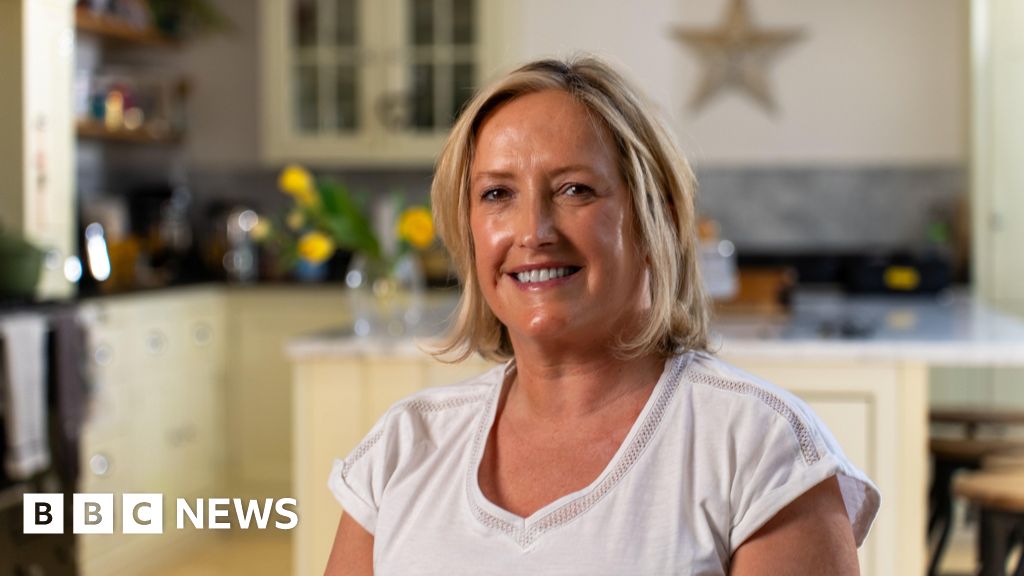
Katie Tinkler, one of the first patients to undergo the procedure, told BBC News she has "never been this good" since her diagnosis 30 years ago. The 50-year-old from Surrey once struggled to walk with her children but now skis and is off all lupus medication. "Lupus at its worst was in bed, unable to move, going downhill rapidly, possibly dying…now I'm living," she said, adding that she's "literally saying yes to anything." We're guessing that includes climbing Kilimanjaro and doing triathlons, which she now plans to do.
Lupus affects around 50,000 people in the UK, with women making up 90% of cases - because naturally, the immune system decides to attack the body most often in young women who already have enough on their plates. The disease causes joint pain, skin conditions, and organ damage when the immune system goes rogue. Katie was diagnosed in 1993 at age 20 and worked as a fitness instructor despite always carrying a packet of steroids for flare-ups. But the disease became more aggressive in the past decade, damaging her heart, lungs, and kidneys, and leaving her on the brink of dialysis.
The experimental treatment, performed at University College London Hospitals, engineers a civil war within the immune system: it gets T cells to destroy the B cells that are causing the trouble. Scientists took millions of Katie's own T cells, genetically modified them in the lab to target B cells, and put them back in her body. The T cells then destroyed both rogue and healthy B cells, but months later new healthy B cells grew, effectively resetting the immune system. It's like a factory reset, but for your immune system - and with more paperwork.
There were no guarantees it would work, and Katie received a letter to her GP noting "she knows she might die" from the risks. But she had the treatment in November 2024 and is still well, no longer needs lupus medication, and her organs have recovered. "I can live to an old lady with these kidneys and that is phenomenal," she said.
Out of the first six patients treated, five are still in remission after more than 18 months. One patient had a lupus flare after 11 months but improved overall. The team, presenting data at the EULAR European Congress of Rheumatology, said it's still uncertain how long the remission will last. Dr Maria Leandro, a consultant rheumatologist at UCLH, told BBC News: "If we were to have patients in remission for three-to-five years consistently, that would be a major gain in lupus… This is clearly a significant step forward towards a possible cure."
The approach, known as CAR-T or chimeric antigen receptor T-cell therapy, is already approved for blood cancers like leukaemia and lymphoma. This is some of the earliest data suggesting it can also work in autoimmune diseases. Dr Claire Roddie from UCL said: "We're really excited about the potential of CAR-T cell therapy for autoimmune diseases. Multiple sclerosis… rheumatoid arthritis… huge potential." So basically, if your immune system is being a jerk, scientists may soon have a way to tell it to cut it out.
The Good Times
News in your inbox.
One sardonic roundup, delivered on your schedule. Free. Unsubscribe whenever your tolerance for wit runs out.
Already subscribed but we never reach your inbox? Check your spam folder and hit 'Not spam' (or 'Remove from spam') to bust us out of junk-mail purgatory. You'll be helping everyone else too.
Don't open any of our emails for a month and you'll be automatically removed from the mailing list.
Rewrite Article
Select parts to regenerate with a fresh AI pass. Translations will be updated automatically.
Generate AI Image
Creates a sardonic version of the article image using OpenAI.