
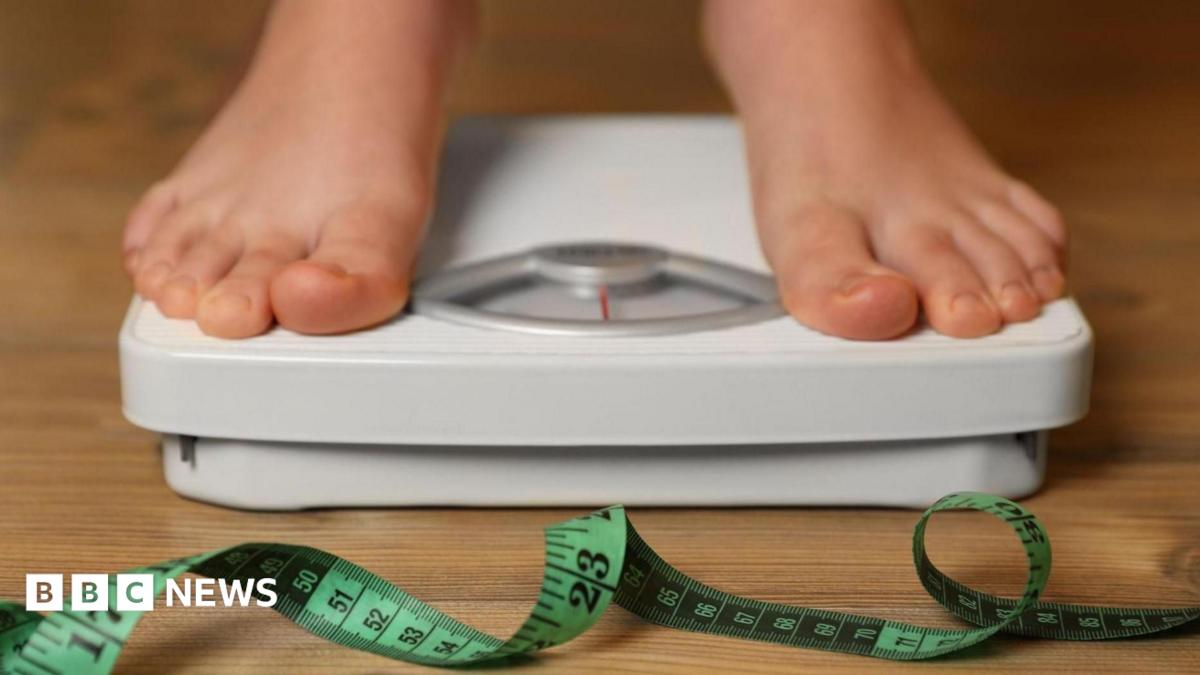
If England's obesity rates had stayed at 1993 levels, there would be seven million fewer adults living with obesity today. Instead, we have 14 million adults classified as obese - a number that has somehow survived 14 separate government strategies over three decades. Clearly, something isn't working, and it's not for lack of trying (or at least, lack of publishing documents).
According to new analysis by the King's Fund, 15% of England's adult population (aged 16 and over) was obese in 1993. By 2024, that figure hit a record 30%. The rise is steepest among 16-to-24-year-olds: 18% were classified as obese or severely obese in 2024, compared to just 6% in 1993. Accounting for population change, that's one million young adults living with obesity - 700,000 more than if rates had stayed put.
Dave Buck, senior fellow for public health at the King's Fund, called the rise "clearly worrying" and said governments have "talked the talk, but not sufficiently walked the walk." He added, with a touch of understatement, "This analysis shows the scale of the failure to take the necessary action on tackling this obesity timebomb."
What's driving this? For starters, we've become a nation of desk jockeys. Service industry (or "white collar") jobs now dominate the economy, while traditional manufacturing and other "blue collar" work like manual labour have declined. More people sit in offices, staring at screens, instead of moving around. Meanwhile, food prices have fallen since the 1990s, thanks to supermarket competition and a proliferation of fast food outlets and home delivery services.
Buck told the BBC that these changes mean it's "far easier to over-consume or consume in ways that add to our weight." He pointed out the convenience factor: "With things like deliveries, it's very easy and convenient now to click a button and you get a takeaway at your door, so we're making it much easier to have high fat, high salt and high sugar foods."
Unsurprisingly, takeaways high in fats, salt, and sugar are more widely available in areas of high deprivation, where people are already at higher risk of obesity. Less healthy foods in supermarkets are also cheaper than they were three decades ago, just in time for multiple cost-of-living crises.
Obesity isn't just a cosmetic issue; it's a risk factor for type 2 diabetes, heart disease, high blood pressure, osteoarthritis, and some cancers. Reports estimate that obesity and being overweight cost the UK economy approximately £126bn per year, including £12bn to the NHS - roughly 7% of its annual budget. That's a lot of money that could have been spent on, say, not needing to treat obesity.
Since 1992 - the year before data on obesity in England was first collected - 14 national obesity strategies have been published. Campaigners say progress has been too slow. Tony Blair's government banned junk food advertising during children's TV programmes (though some wanted a wider ban), and Gordon Brown launched a strategy to reverse the "rising tide of obesity" in 2007. The Conservative government introduced a UK-wide levy on high-sugar soft drinks in 2018, which actually prompted manufacturers to cut sugar levels to avoid the tax.
David Cameron, in his final weeks as PM in 2016, considered banning "buy one get one free" deals on unhealthy products and restricting TV ads for junk food. But those ideas were never followed up - partly due to the pandemic, and later because ministers argued restrictions would be unfair during inflation surges. Theresa May and Boris Johnson talked about further action, but talk is cheap.
In January this year, the Labour government finally introduced a ban on junk food advertising before 21:00 on TV and anytime online - after almost a decade of consideration. Further plans to crack down on unhealthy food sales are still pending, despite being pledged in 2024, and a select committee has urged ministers to do more, like stopping fast food outlets from opening near schools.
Meanwhile, weight loss drugs like GLP-1s are increasingly being used. Wegovy is available on the NHS only for adults with a BMI of at least 35 and at least one pre-existing weight-related condition. People with cardiovascular disease who are overweight (but not quite obese) can also get it, and Mounjaro has been available from specialist NHS weight-loss clinics in England and Wales since March 2025. Many people are buying these drugs privately, and a new daily pill is already available in the US and could hit the UK soon.
The Department of Health and Social Care says weight loss jabs are just one part of a broader plan, which includes tackling the promotion of unhealthy food, increasing exercise, and encouraging healthier eating. England's Chief Medical Officer Prof Sir Chris Whitty warned earlier this year that it would be a "societal failure" if medicating people for life was our only answer. He points to countries like France, which have kept obesity levels stable.
So, what do we want to learn? The question hangs in the air, as we click another button for a takeaway.