Don't Expect Your Car's 'Smart' Tracker to Actually Track It, Experts Say With a Sigh
Connected car features promise security but deliver disappointment, as experts warn not to expect your vehicle's tracker to actually help find it after theft.
If you think your fancy connected car can help you recover it after theft, experts have a reality check for you: think again, pal. Car safety firm Thatcham Research warns there's a "genuine and growing gap" between what consumers expect from those so-called connected car features and what they actually deliver.
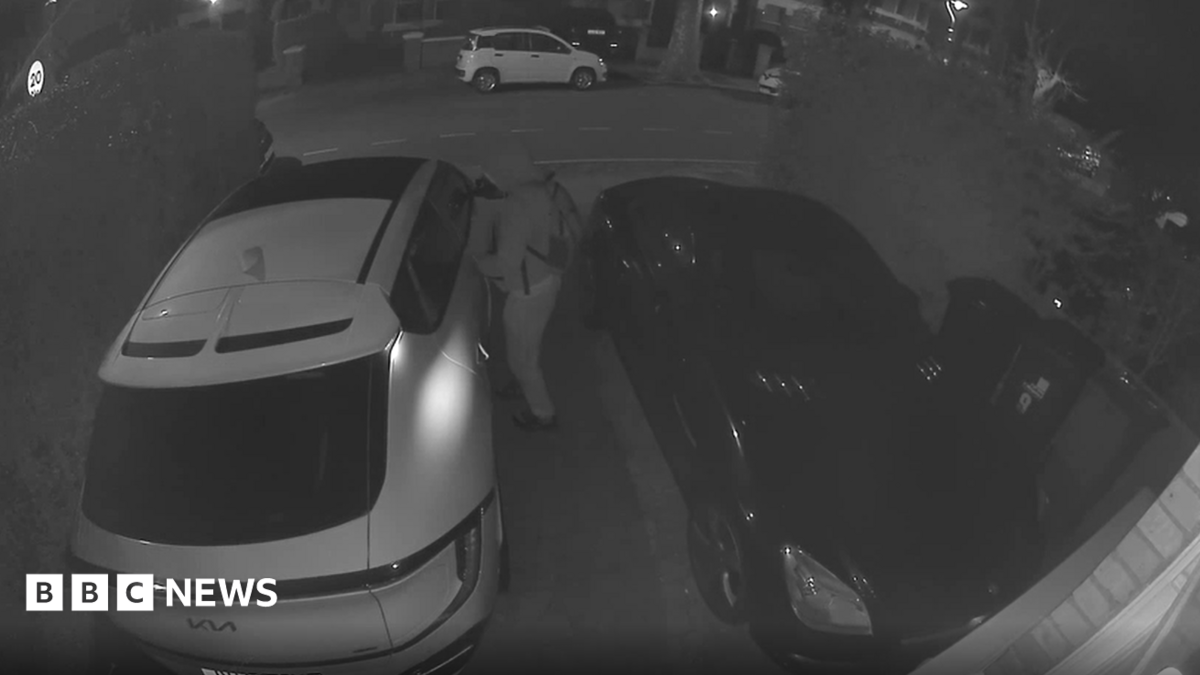
Take Ian Fogg, a smartphone analyst whose Kia was stolen from outside his home in March. Despite Kia's Connect service being able to view the car's live location, Fogg couldn't get it back. Why? Because UK law apparently prevents the Connect function from being used for live tracking. Kia told the BBC it's a "convenience" feature, not a security tracker. Fogg had video doorbell footage, an Apple AirTag hidden inside, and the Connect service - yet the thieves still got away. The AirTag was located and ditched (thanks to Apple's anti-stalking noise feature), and Kia's location requests took 24-48 hours to fulfill. Fogg filled out eight forms and got delayed data each time.
Kia insists it must comply with GDPR and other laws, and police lack formal powers to demand such data without Home Office consent - which is rarely sought. Meanwhile, Kia offers a proper tracking service in the US but not in the UK or Europe. Fogg is stunned that cars, which cost way more than phones, are so much easier to steal and harder to track. Thatcham Research advises getting independently certified trackers with their own power source and real-time monitoring. Nearly 55,000 cars were stolen in the UK in 2025 (down 11% from the previous year), and only about 13% are ever retrieved. So, maybe don't count on your car's app to be your knight in shining armor.
The Good Times
News in your inbox.
One sardonic roundup, delivered on your schedule. Free. Unsubscribe whenever your tolerance for wit runs out.
Already subscribed but we never reach your inbox? Check your spam folder and hit 'Not spam' (or 'Remove from spam') to bust us out of junk-mail purgatory. You'll be helping everyone else too.
Don't open any of our emails for a month and you'll be automatically removed from the mailing list.
Rewrite Article
Select parts to regenerate with a fresh AI pass. Translations will be updated automatically.
Generate AI Image
Creates a sardonic version of the article image using OpenAI.