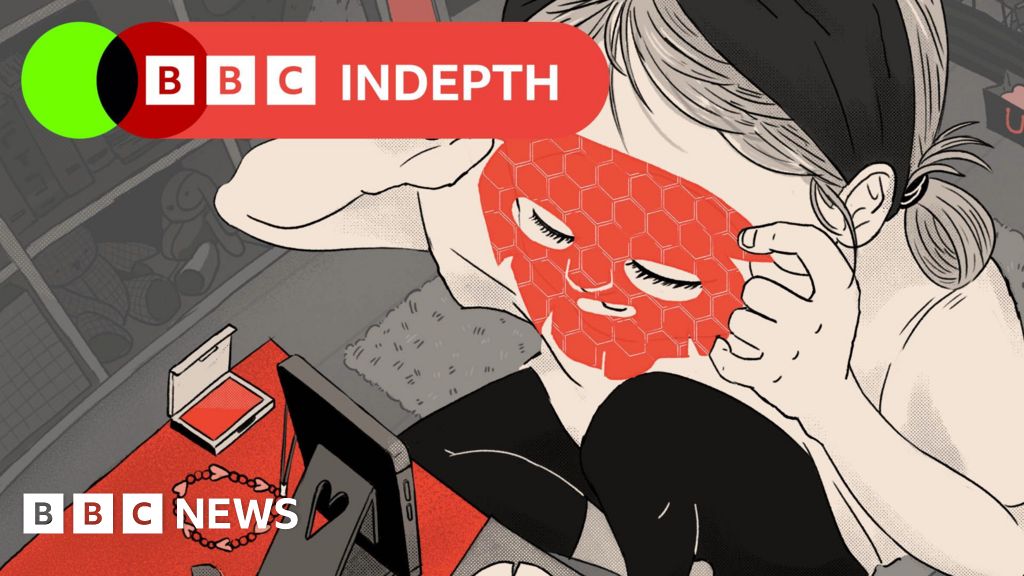
Cosmeticorexia: The New Term for 10-Year-Olds Obsessing Over Anti-Aging Serums
Kids are slathering on retinol serums and calling it a 'smoothie' - dermatologists have a new name for the obsession, and regulators are finally starting to ask questions.
Ellie-May was 10 when she enthusiastically walked her TikTok followers through her multi-step skincare routine, proclaiming her undying love for a toner and mixing a "smoothie" out of fluffy yellow cream. Now 13, she's been a skincare influencer since age eight, and her family pulls in over £50,000 a year from her content across Facebook, TikTok, YouTube, and Snapchat. Her 330,000 TikTok followers didn't just appear out of nowhere - they came for the glow.
And Ellie-May is far from alone. Type "children and skincare" into any social media search engine, and you'll find hundreds of other young girls - some as young as three or four - enthusiastically unboxing and applying sophisticated products containing anti-aging ingredients like retinol. A survey by the skincare brand Pai of 1,500 nine-to-12-year-olds found that nearly half are using multiple skincare products weekly, with half of those saying they use them to fix what they perceive to be problem skin. It has become a multi-billion-pound industry, and it is showing no signs of slowing down.
Dermatologists and academics have even coined a new term for this phenomenon: cosmeticorexia, defined as an unhealthy obsession with achieving "flawless" skin from a young age, leading to obsessive use of cosmetic products. Prof Giovanni Damiani, an Italian dermatologist from the University of Milan, interviewed 55 of his patients aged 8 to 14 and found that those displaying signs of cosmeticorexia were phone-obsessed, spent hours watching skincare videos, used up to 10 different products daily, and refused to socialize - even with family - without makeup.
The Italian Competition Authority (AGCM) has launched two investigations into LVMH, which owns Sephora and Benefit, examining whether the brands failed to make clear their products aren't intended for children and whether they encourage purchases through "covert marketing strategies involving young micro-influencers." LVMH says it cooperates with authorities and has no products or marketing campaigns specifically targeting young people. The UK's Advertising Standards Agency says it's watching closely but isn't taking formal action yet.
Consultant dermatologist Dr. Jean Ayer, based in Stockport, says more children than ever are using cosmetics - and she's seeing the consequences. "This stuff is designed for the anti-aging market. At best, they don't need these products. At worst, they contain harmful ingredients that can damage delicate young skin." She reports an increase in young clients with acne and contact dermatitis, and even notes a small but growing school of thought linking frontal fibrosing alopecia - receding hairlines - to the surge in face cream use at young ages.
Meanwhile, the UK cosmetics industry, through the Cosmetics Toiletry and Perfumery Association (CTPA), has released a guide for parents after a survey found that 40% of nearly 1,000 parents admitted knowing less about skincare than their child. The CTPA's director-general, Dr. Emma Meredith, says the association does not support young people using anti-aging products or complex routines.
Ellie-May's mum Sophie insists she checks ingredients and won't let retinol anywhere near her daughter's skin. The family is preparing to launch their own vegan skincare brand for the younger market. Ellie-May, now 13, says wearing makeup "makes me feel normal." Psychologists warn that children developing their self-identity through social media likes and comments may struggle to accept their true image as they grow older - and that cosmeticorexia shares crossovers with body dysmorphic disorder, a condition causing intense shame over perceived body defects. Signs of anxiety and embarrassment have already been seen in children as young as seven or eight.
The Good Times
News in your inbox.
One sardonic roundup, delivered on your schedule. Free. Unsubscribe whenever your tolerance for wit runs out.
Already subscribed but we never reach your inbox? Check your spam folder and hit 'Not spam' (or 'Remove from spam') to bust us out of junk-mail purgatory. You'll be helping everyone else too.
Don't open any of our emails for a month and you'll be automatically removed from the mailing list.
Rewrite Article
Select parts to regenerate with a fresh AI pass. Translations will be updated automatically.
Generate AI Image
Creates a sardonic version of the article image using OpenAI.