
In the late 1980s, as China's economy began to crack open, a high school dropout named Ding Shizhong arrived in Beijing with 600 pairs of shoes. He had them made at a relative's factory, sold them, and used the proceeds to start a workshop making footwear for other companies. The 17-year-old was one of many newly minted entrepreneurs under the watchful eye of the Communist Party - but he had bigger plans.
That business is now Anta, a sportswear powerhouse that owns Arc'teryx, Salomon, Wilson, and a stake in Puma. With over 10,000 shops in China and a flagship store in Beverly Hills, it's gunning for Nike and Adidas. Ding laid out the ambition in 2005: "We don't want to be the Nike of China, but the Anta of the world." Bold words for a company whose name means "safe steps."
Anta started in 1991 in Jinjiang, a Fujian city that grew from a quiet agricultural county into the world's "shoe capital" under a government industrial plan. At its core is Chendai town, 40 sq km of factories and suppliers that made shoes for Nike and Adidas. By 2005, Fujian alone produced nearly a fifth of the world's shoes, according to the UN. As much as a third of Jinjiang's workers still work in footwear, making it one of China's highest-earning economic districts.
This manufacturing ecosystem taught Chinese firms not just to make more, but to produce better, faster, and more consistently, says University of Bath professor Fei Qin. Anta learned the ropes making shoes in bulk for global brands, built a vast distribution network across China, and slowly built its own brand by sponsoring national basketball and table tennis events. In 2007, it listed on the Hong Kong Stock Exchange, raising HKD 3.5bn (£330m; $450m) - a record for a Chinese sports company.
Branding consultant Wei Kan, who worked with Converse and Nike in China, says Anta stood out for its fully-fledged production hub, which let it design and sell shoes faster than rivals. It was also among the few Chinese firms targeting the same buyers as big Western brands. Companies like Anta start making goods for global brands, learn the business, do well in China, and "naturally go on to bigger things," Kan adds. Similar stories include Xiaomi, DJI, and BYD - each now a giant in its field.
Anta now runs over 12,000 shops in China and more than 460 abroad, with plans for 1,000 in Southeast Asia alone within three years. For context, Nike - which still has the biggest market share in sports footwear - has only about 1,000 shops worldwide. But Chinese firms face a perception challenge abroad: their products are often seen as cheap, low-quality, or copycat. Anta has tackled this with a "multi-brand strategy," buying Fila's China rights in 2009, a controlling stake in Amer Sports (owner of Arc'teryx and Salomon) in 2019, and a 29% stake in Puma this year. These moves let Anta use Western brands as a gateway, avoiding the "made in China" stigma, says IMG analyst Rufio Zhu.
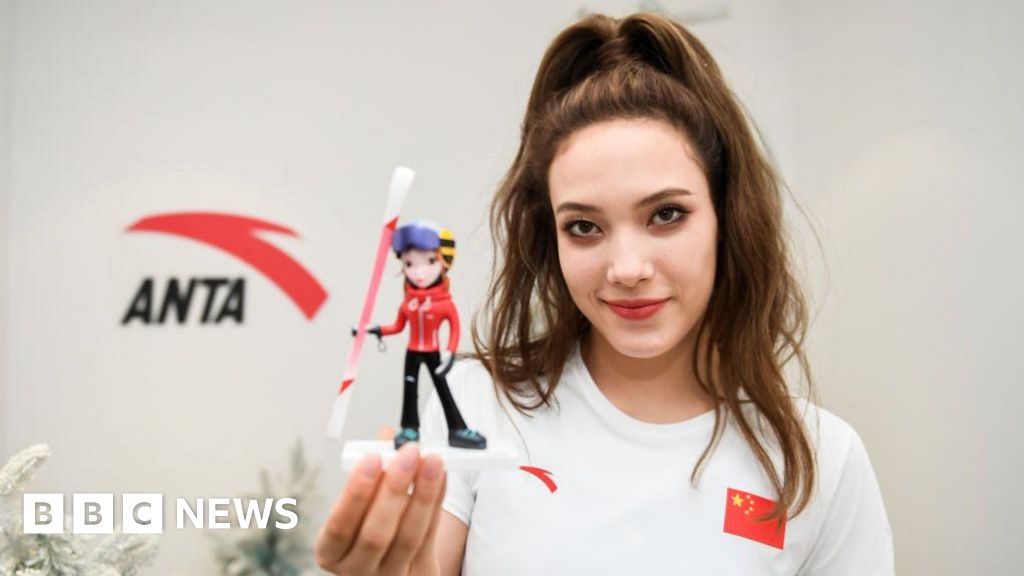
Celebrity sponsorships are another hurdle. Nike had Michael Jordan in the 1980s; Anta has Klay Thompson and Kyrie Irving - but no deal of that magnitude yet. Being Chinese also means navigating Beijing's rocky relationship with the West. Ambassador Eileen Gu, the American-born skier who chose China over the US at the Olympics, proved polarising. "Brands like Anta need to be ready for it," Kan says.
Anta's rise comes as Nike and Adidas face their own troubles: US tariffs on Asian imports, Nike's post-Covid e-commerce stumble, and slowing demand in China. That puts Anta in a favourable position abroad, especially as consumers seek alternatives. "The question isn't whether Anta will raise their profile," says Zhu. "It's whether competitors can adapt quickly enough to defend their home turf."
Meanwhile, China is deploying robots in factories to speed production and cut costs, setting manufacturers up for the future. Anta's first US outlet in Beverly Hills, after years of selling through department stores, is stacked with sneakers and basketball shoes - markets it needs to win against Nike and Adidas. The company admits it has some way to go. "We're realistic about the competition," a spokesperson says, "but the global sportswear landscape is not a zero-sum game."