China's Tesla Factory Cranks Out Cars Nobody's Buying Locally, But Hey, Exports!
Tesla's Shanghai plant is cranking out record numbers, but Chinese buyers are yawning, so the company is shipping cars abroad - and maybe considering a SpaceX merger to spice things up.
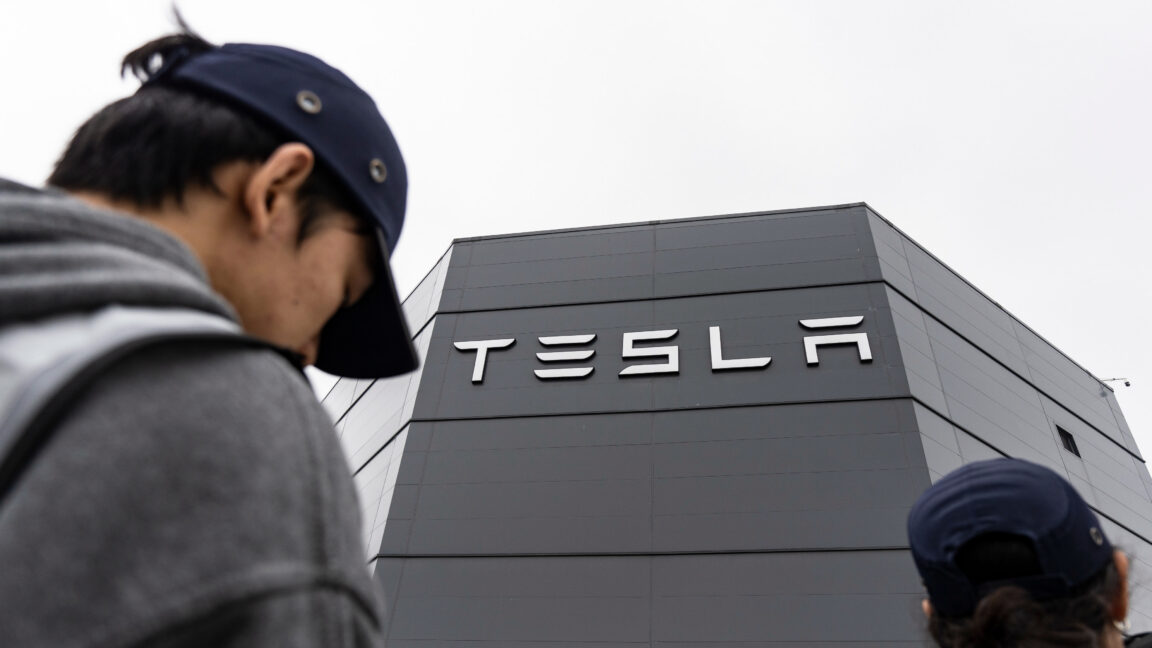
Tesla's Shanghai factory just had its best June ever, according to the China Passenger Car Association (CPCA). The plant churned out 93,579 cars in June, a hefty 38% jump compared to June 2025. But before you start humming 'Happy Days Are Here Again,' note that those shiny new EVs aren't exactly flying off the shelves in China. In fact, sales have been sliding quarter over quarter for over a year, especially as buyers get bored with the Model 3 sedan.
So what's Tesla doing with all those cars? Shipping them abroad, of course. Nearly 40% of June's production was destined for export. In Q2 overall, just over half of the cars built in Shanghai - 128,394 to be precise - went to Europe, Canada, and other Asian markets, while only 126,157 were sold to Chinese buyers. The secret sauce? Low labor costs compared to Germany or the US, cheaper local components, and some export tax rebates from the Chinese government. It's a golden goose, alright.
But even with profit margins evaporating faster than a Tesla battery in a cold snap, the company might be eyeing the exit. The Wall Street Journal reported last week that some Tesla execs have been tasked with separating Chinese and non-Chinese parts of the business, though Tesla denies any such preparations. Meanwhile, new US regulations banning Chinese-linked connected car software kick in for model-year 2027, with a hardware ban following for 2030. Tesla already stopped importing Chinese-made cars for US sale and has been scrubbing its supply chain for Chinese origins.
But trade restrictions aren't the real reason for the potential split. It's love - or rather, the desire to merge with SpaceX. Musk wants to bring his rocket company into the Tesla fold, mainly to give SpaceX access to investors. The S&P 500 index recently rejected Musk's plea to bend the rules for SpaceX (which requires four consecutive profitable quarters, among other things). But Tesla joined the index back in 2020, so a merger would let SpaceX sneak in through the back door. (Both companies are down about 25% year-to-date, with SpaceX's year starting only after its June IPO.)
Of course, such a merger might hit a snag: national security. With SpaceX holding tens of billions in US military contracts and Tesla running a Chinese factory, the government might have a few questions. Killing the golden goose seems counterproductive if you want to sell cars profitably. But then again, Musk keeps telling us Tesla isn't a car company anymore. Maybe he's planning to serve it with orange sauce.
The Good Times
News in your inbox.
One sardonic roundup, delivered on your schedule. Free. Unsubscribe whenever your tolerance for wit runs out.
Already subscribed but we never reach your inbox? Check your spam folder and hit 'Not spam' (or 'Remove from spam') to bust us out of junk-mail purgatory. You'll be helping everyone else too.
Don't open any of our emails for a month and you'll be automatically removed from the mailing list.
Rewrite Article
Select parts to regenerate with a fresh AI pass. Translations will be updated automatically.
Generate AI Image
Creates a sardonic version of the article image using OpenAI.