Chicago's Lead Pipe Replacement Costs Are So High, Even the Pipes Are Blushing
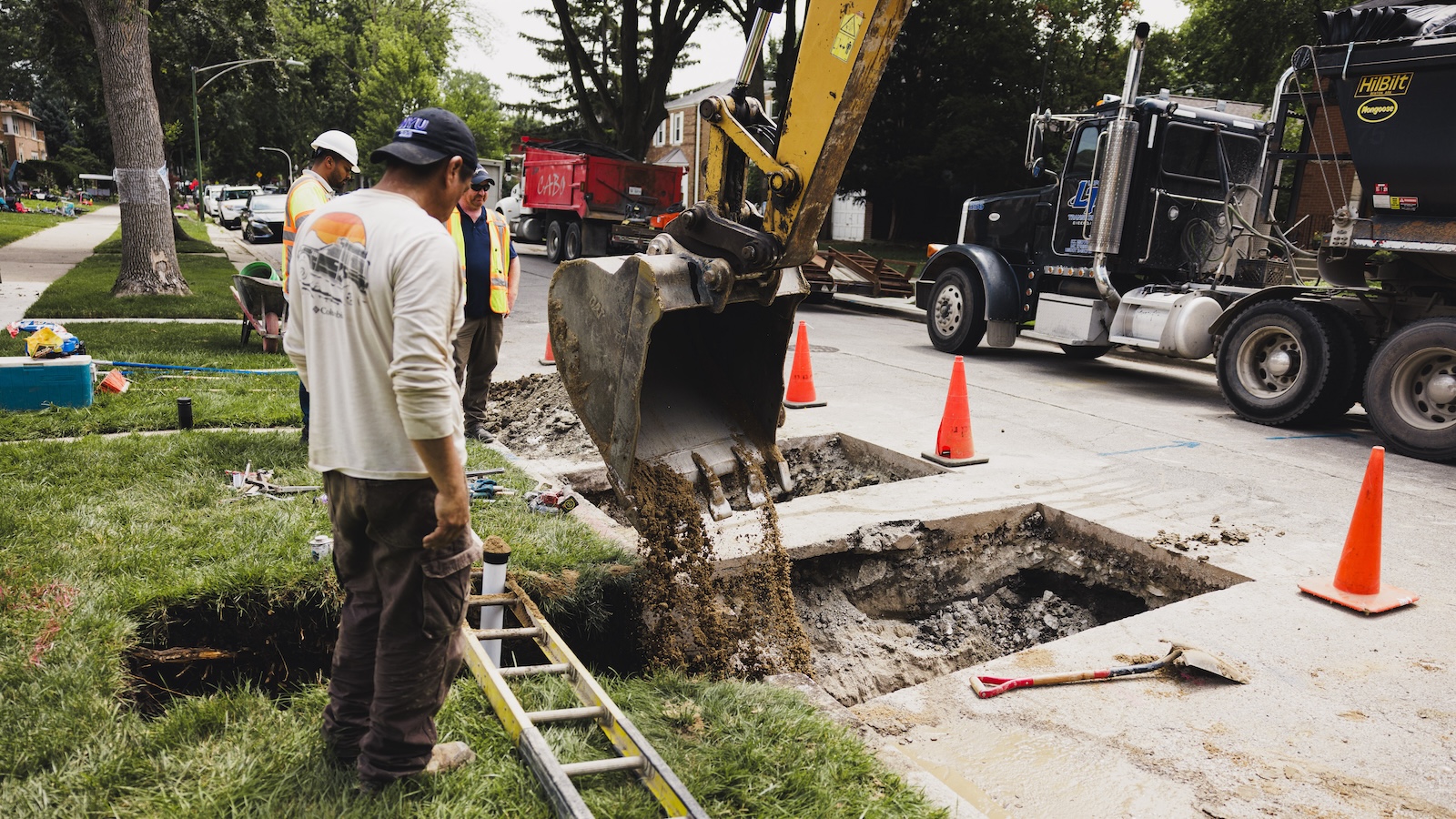
Chicago spends a jaw-dropping $31,000 per lead pipe replacement - six times the national average - thanks to bureaucratic chaos, inefficient contracts, and a permitting process that makes homeowners weep.
In a groundbreaking display of municipal inefficiency, Chicago has managed to make replacing lead pipes cost more than six times the national average. With over 400,000 lead service lines - the largest known inventory in the country - the city spends about $31,000 per line, compared to the EPA's estimate of $4,700 and a national average of $12,500. Other cities like Detroit, Milwaukee, and New York manage to do it for between $6,000 and $25,000, most for less than half of Chicago's figure. But hey, who's counting?
A seven-month investigation by Grist, WBEZ, and Inside Climate News found that Chicago's sky-high costs stem from inefficient early contracts, cumbersome permitting requirements, and a stubborn refusal to replace pipes block by block - only 3% of the 15,000 lines swapped out between 2021 and 2025 were done as whole-block replacements. The city's Department of Water Management couldn't even provide consistent cost figures, leading experts to wonder if they're tracking anything at all.
Homeowners like Craig Hines and Ryan Wilson have faced permitting fees that can run $5,000 to $7,000, with quotes of $22,000 to $25,000 for a single line. Wilson, a urban planner, found the process so confusing he never figured out how much of his bill went to permits. "There's not a single person to talk to about this," he lamented. Meanwhile, city officials blame labor costs, but Chicago's union plumber wage of $99.52 per hour is actually lower than New York's $121, which somehow manages to replace pipes for half the cost.
With a federal mandate to remove all lead pipes within 20 years, Chicago faces a $12 billion bill at current rates. Senator Tammy Duckworth, who secured a $22 million federal grant for the Austin neighborhood - enough to replace just 650 of its 17,000 lead lines - summed it up: "Cities just need to get their act together." No kidding.
The Good Times
News in your inbox.
One sardonic roundup, delivered on your schedule. Free. Unsubscribe whenever your tolerance for wit runs out.
Already subscribed but we never reach your inbox? Check your spam folder and hit 'Not spam' (or 'Remove from spam') to bust us out of junk-mail purgatory. You'll be helping everyone else too.
Don't open any of our emails for a month and you'll be automatically removed from the mailing list.
Rewrite Article
Select parts to regenerate with a fresh AI pass. Translations will be updated automatically.
Generate AI Image
Creates a sardonic version of the article image using OpenAI.