The scent of summer is officially a luxury item. According to the Consumer Price Index (CPI), beef, bread buns, and bagged salad have all gotten pricier since last summer, a phenomenon the media has dubbed "burgerflation." But before you blame the nearest cow, know that farmers aren't exactly rolling in dough (or buns).
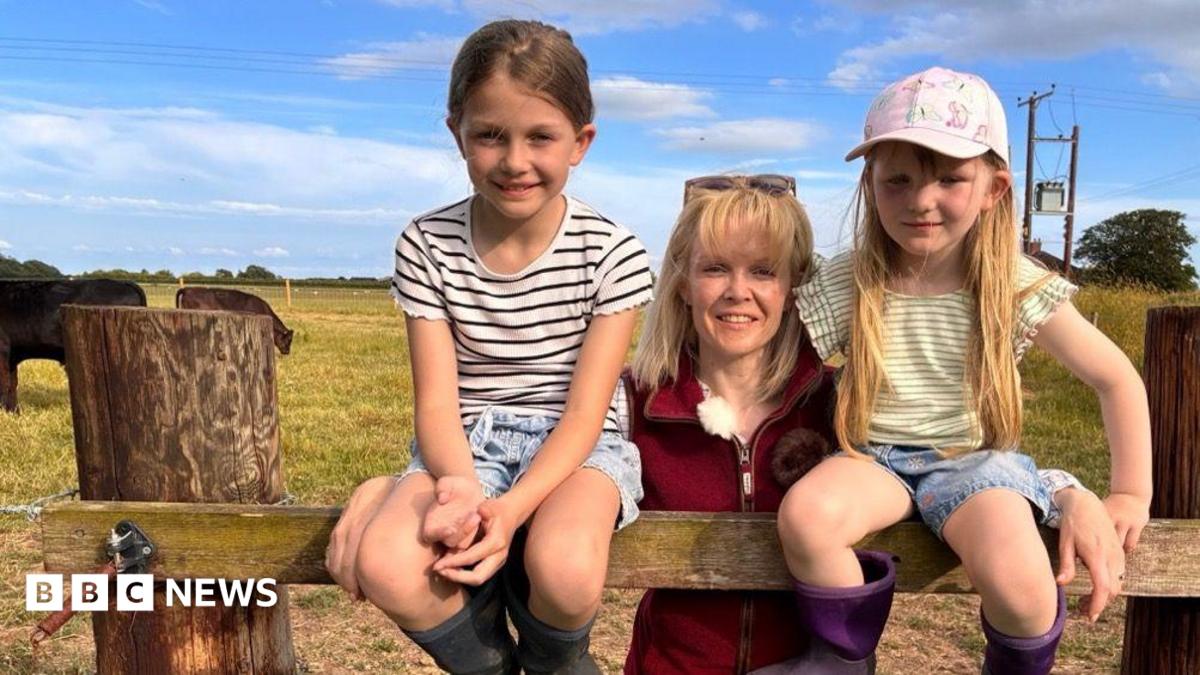
Heather Oldfield, a cattle farmer near Boston, Lincolnshire, has 200 animals destined for Morrison's butchery and eventual burger form. She's getting 8% less for her beef compared to last year, per the Agricultural Price Index (API), while shoppers pay 9% more. The math doesn't add up in her favor. Oldfield also works a full-time job at a plant breeder because the farm can't pay both her and her husband. A Defra spokesperson insists the government is "backing our hard-working farmers" with a record £11.8bn investment - but Oldfield is still trying to figure out how to keep the farm going for her daughters without burying them in debt.
Phil Clayton, a baker in York, runs his bakery with wife Tina and a 30-strong team. He raised prices by 10p to 20p, but says it is "absolutely not true" that he's profiting. The extra money goes to rent, wages, National Insurance, fuel for deliveries, and the rising cost of flour. In May, bread rolls cost 2% more for shoppers, while farmers got 0.3% less for wheat in April. Clayton is not getting rich - he's just keeping the lights on.
Robert Archer, a mill manager in Kirkbymoorside, North Yorkshire, says haulage costs forced him to raise prices on organic flour. The mill buys over 400 tonnes of wheat annually from local farms, producing enough flour to feed 20,000 people. Owner Nelly Trevelyan notes that staying organic helps keep price hikes minimal because they avoid nitrogen fertiliser and pesticide costs. But she laments that many still buy "cheap food" from the industrial system.
Mathew Brankley, a farmer in Snaith, East Yorkshire, believes UK food is still "relatively cheap" - a lettuce costs 80p to £1 here versus $2.99 in the US or Europe. He's getting 12.6% more for his vegetables than last year, but shoppers pay 8% more - and any extra is "eaten up" by fuel and fertiliser costs. He insists he's no better off, but he wouldn't change jobs. "I wouldn't do anything else because I enjoy it so much," he says.
A Defra spokesperson adds that they've cut red diesel to its lowest rate in over 20 years and are seeking views on suspending fertiliser tariffs. Meanwhile, your burger costs more, but don't expect the farmer to be buying the first round.
The Good Times
News in your inbox.
One sardonic roundup, delivered on your schedule. Free. Unsubscribe whenever your tolerance for wit runs out.
Already subscribed but we never reach your inbox? Check your spam folder and hit 'Not spam' (or 'Remove from spam') to bust us out of junk-mail purgatory. You'll be helping everyone else too.
Don't open any of our emails for a month and you'll be automatically removed from the mailing list.
Rewrite Article
Select parts to regenerate with a fresh AI pass. Translations will be updated automatically.
Generate AI Image
Creates a sardonic version of the article image using OpenAI.